
Spanish dishes
What each dish actually is — and where in the world to eat a great one.
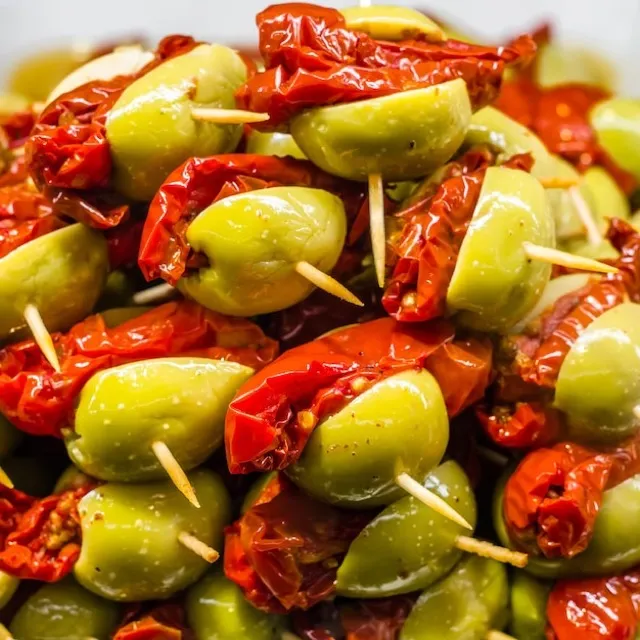
Aceitunas Aliñadas
Table olives cracked or split and marinated in olive oil, vinegar, garlic, herbs and spices such as cumin, fennel and thyme. Spain is the world's largest olive producer, and home-curing olives with an aliño (dressing) is a deeply rooted Andalusian household ritual.
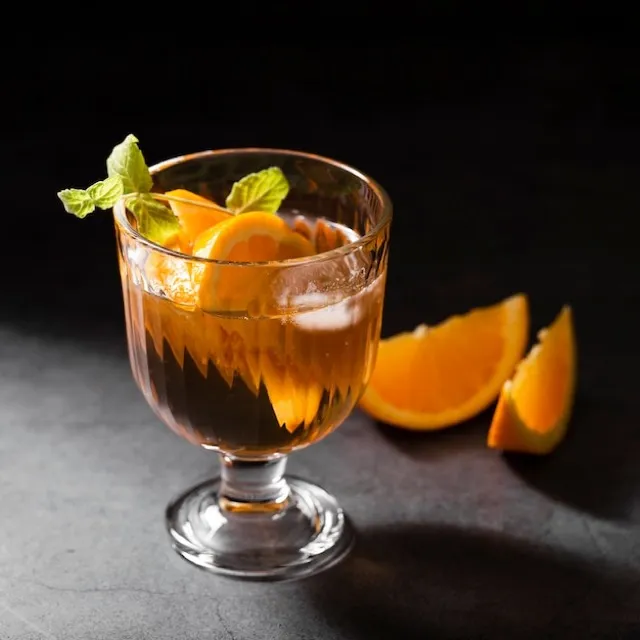
Agua de Valencia
Agua de Valencia was invented in 1959 by Constante Gil at the Cervecería Café Madrid in Valencia, combining cava, fresh orange juice, gin and vodka. The name plays on Basque visitors who called cava 'agua de Bilbao,' prompting Gil to offer them a Valencian answer.
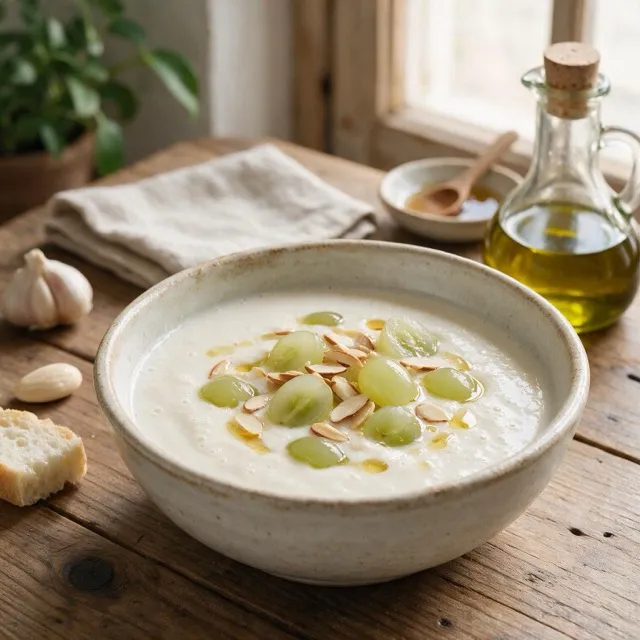
Ajoblanco
A cold white soup of blanched almonds, garlic, bread, olive oil and vinegar from Málaga and Granada, often called the 'white gazpacho'. Almonds arrived with the Moors, and the dish is considered one of the oldest surviving Andalusian soups, predating the tomato-based gazpachos.
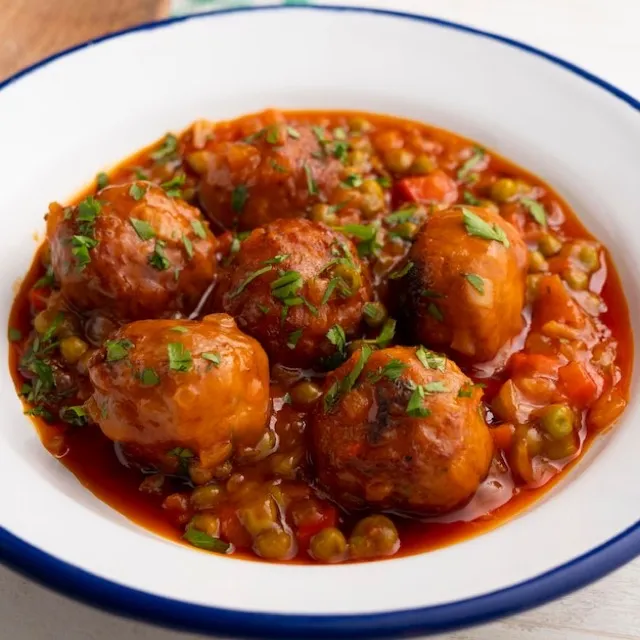
Albóndigas
Albóndigas are Spanish meatballs, usually pork or beef, simmered in tomato sauce, almond-thickened salsa, or wine. A staple of tapas bars and home kitchens alike, they arrive sizzling in clay dishes with bread for the sauce.
Almejas a la Marinera
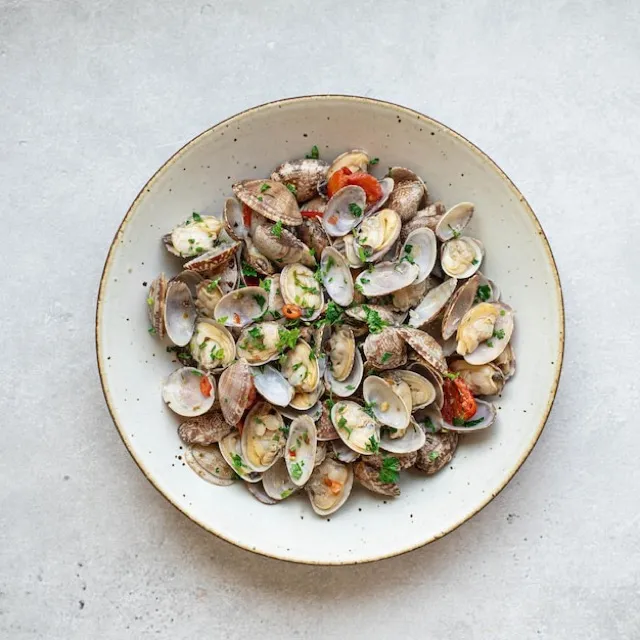
Sailor-style clams are a classic of Spain's northern and Atlantic coasts, particularly Galicia, where clams are dug from tidal flats. The clams are opened in a sauce of garlic, onion, white wine, paprika and a little flour or bread to thicken it. The dish is a festive tapa, often served at Christmas and celebrations.
Angulas
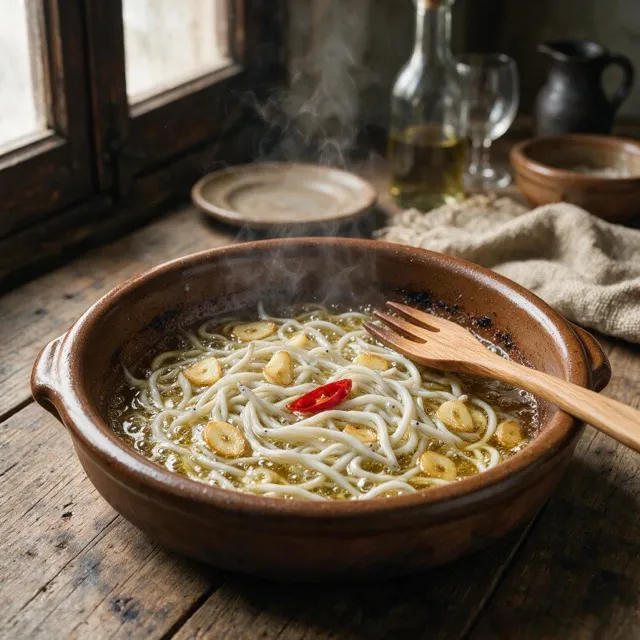
Angulas are baby eels (elvers), once a humble Basque food and now one of Spain's most expensive delicacies due to collapsing European eel stocks. The classic dish, angulas a la bilbaina, cooks them in an earthenware cazuela with olive oil, garlic and a slice of guindilla, eaten with a wooden fork.
Arroz Negro
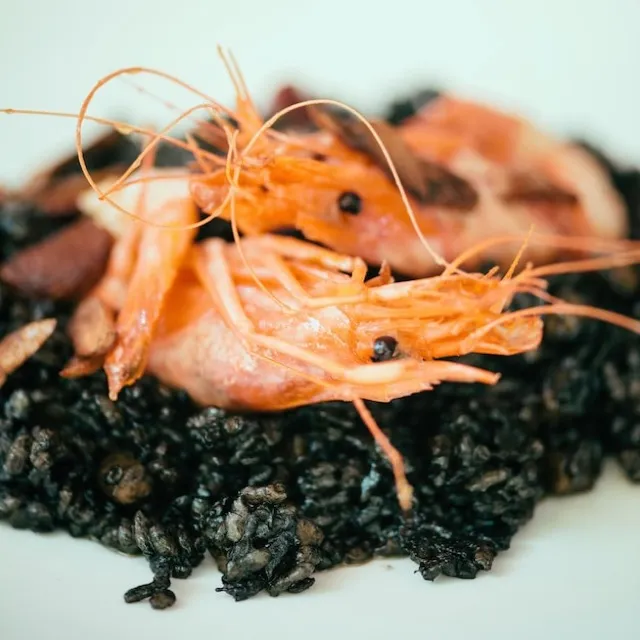
A jet-black rice dish from the Valencian and Catalan Mediterranean coast, colored and flavored by the ink of cuttlefish or squid. It grew out of coastal fishermen's cooking, using the cephalopods' own ink to season a rice built on their broth. Traditionally finished with a spoonful of garlicky allioli to cut the briny richness.
Arroz a Banda
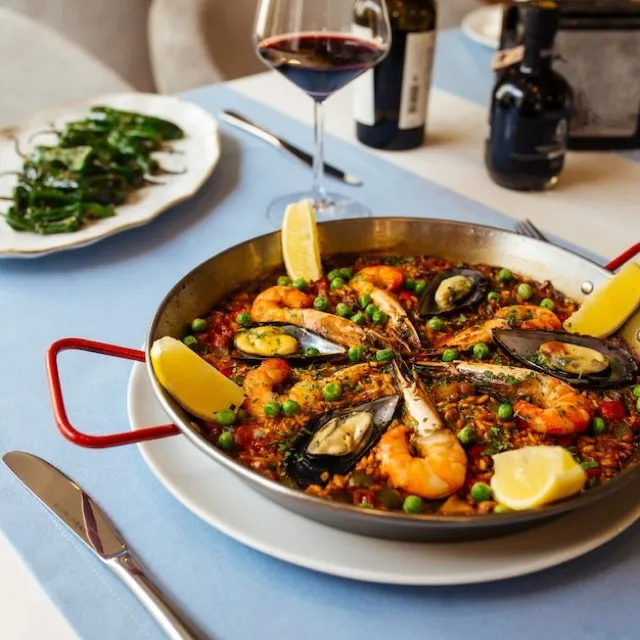
A fishermen's dish from the Alicante and Valencia coast, its name meaning 'rice on the side'. Fishermen would cook cheap or unsellable fish into a rich stock, then cook the rice in that broth and serve the two separately: the fish 'apart' and the deeply flavored rice on its own, eaten with allioli.
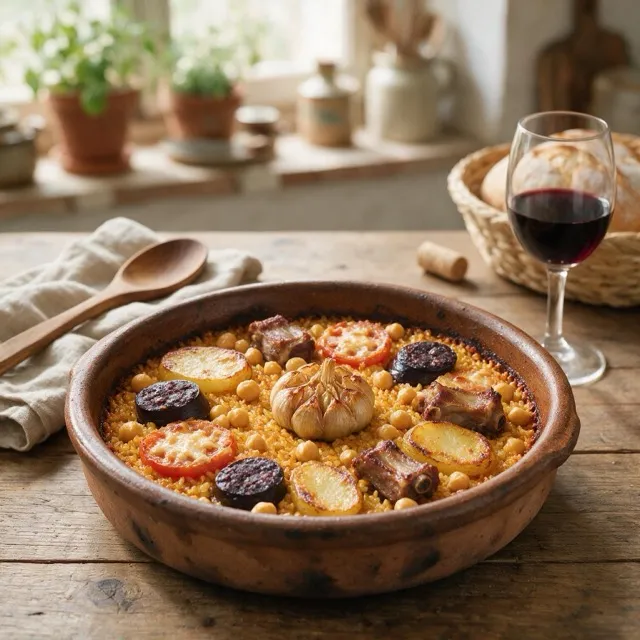
Arroz al Horno
A baked rice from inland Valencia, traditionally made the day after a cocido stew to use up the leftover broth, chickpeas and meats.
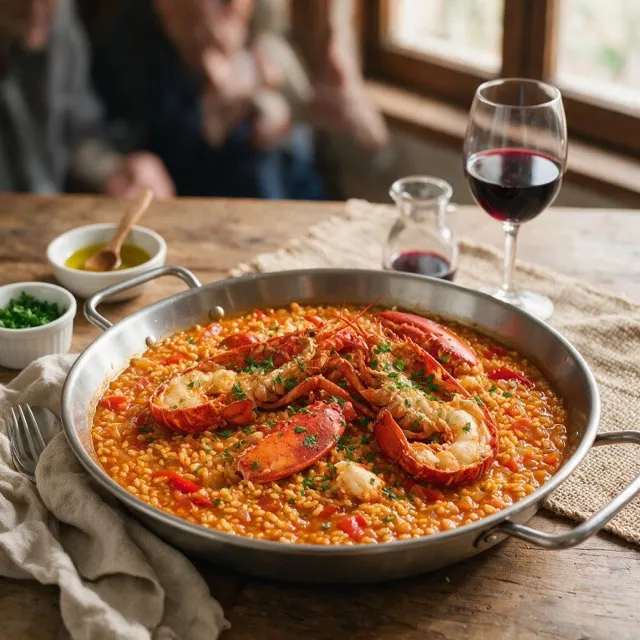
Arroz con Bogavante
A festive Spanish rice dish built around lobster (bogavante), popular along both the Mediterranean and Atlantic coasts and a staple of celebratory meals. The lobster is seared and its shells used to build a deeply flavored fumet in which the rice cooks, so the crustacean perfumes every grain.
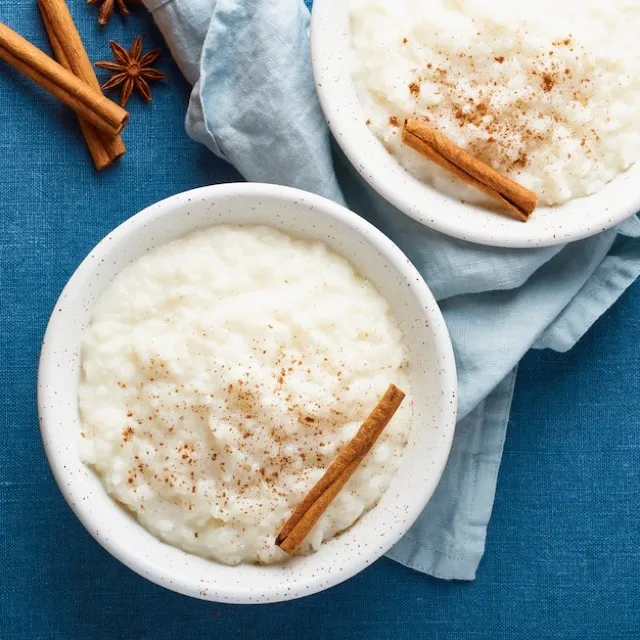
Arroz con Leche
Spanish rice pudding simmered slowly with milk, sugar, cinnamon and lemon peel, brought to Iberia through Moorish cooking and adopted across the north. Asturias is especially known for its version, where the top is often caramelized with a hot iron to form a burnt-sugar crust. It is a classic homestyle dessert throughout Spain.
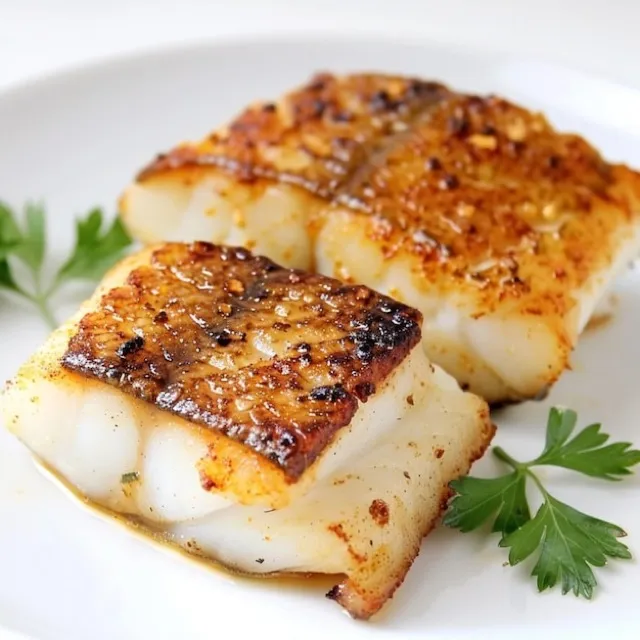
Bacalao al Pil-Pil
A defining dish of Basque cuisine, bacalao al pil-pil is salt cod cooked gently in olive oil with garlic and guindilla until the fish's gelatin emulsifies the oil into a pale, glossy sauce.
Berenjenas Fritas
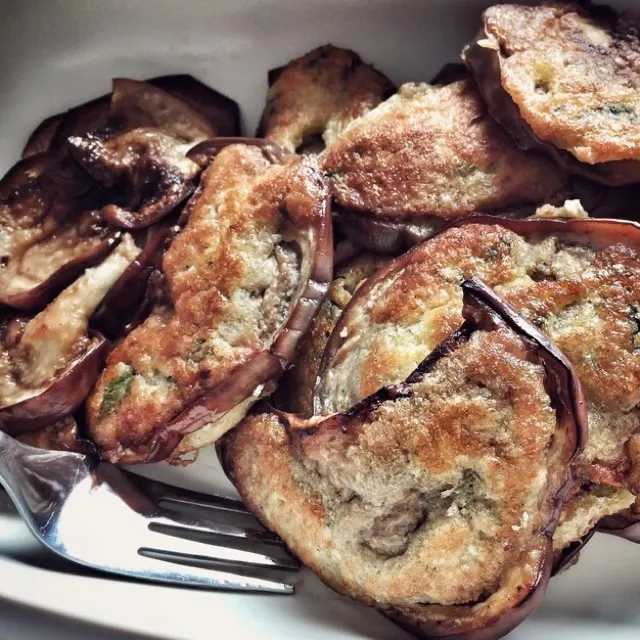
Berenjenas fritas are paper-thin fried aubergine slices drizzled with cane honey (miel de caña) — a sweet-savoury tapa from Andalusia, especially Córdoba and Granada. Crisp, hot aubergine against dark syrup is the whole point.
Boquerones
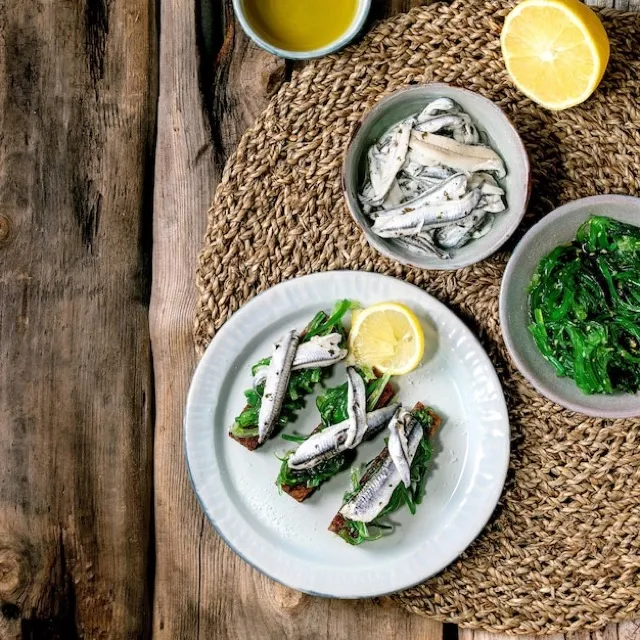
Boquerones are fresh anchovies, served two ways: marinated in vinegar (boquerones en vinagre), silvery and sharp, or lightly fried (fritos). A great vinegar-cured boquerón is clean, firm and bright — never fishy.
Botillo del Bierzo
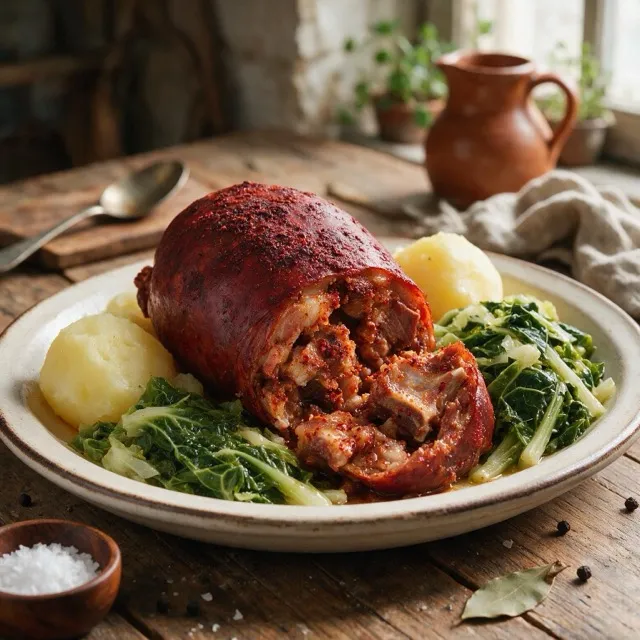
Botillo is a large, smoky cured sausage from El Bierzo in Leon, made by stuffing a pig's caecum with paprika-seasoned rib and tail meat, then smoking and semi-curing it. Its origins are traced to Roman times and it took on paprika after that spice reached El Bierzo in the 17th century.
Buñuelos de Viento
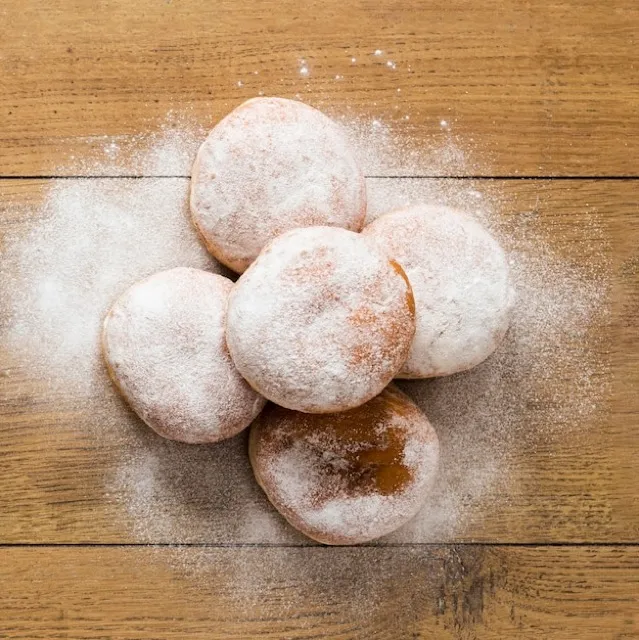
Light choux fritters that puff up hollow when fried, their name ("puffs of wind") describing their airy interior. A traditional All Saints' Day (1 November) sweet in much of Spain, they are often filled with cream, custard or chocolate. Fried-dough bunuelos have roots in medieval Iberian and Moorish cooking.
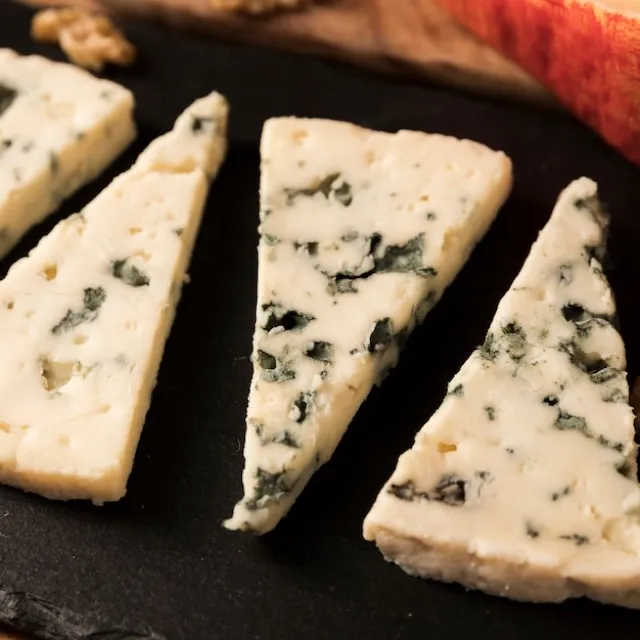
Cabrales
Cabrales is a pungent blue cheese from the Picos de Europa mountains of Asturias, made from raw cow's milk or a blend with sheep and goat milk. Farmers age it for months in natural limestone caves, where humidity and Penicillium moulds create its blue-green veining.
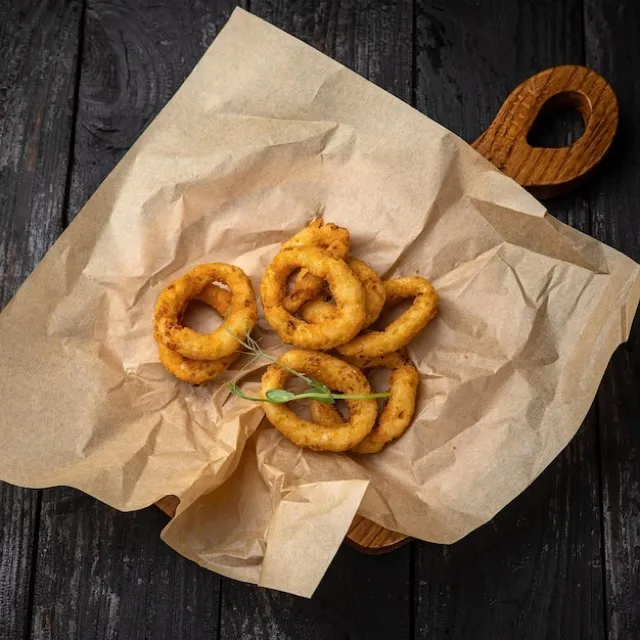
Calamares
Calamares a la romana are squid rings in a light, crisp batter — Madrid’s bar snack par excellence, also stuffed into crusty bread as the city’s famous bocadillo de calamares. Lemon, aioli, and a very hot fryer are the essentials.
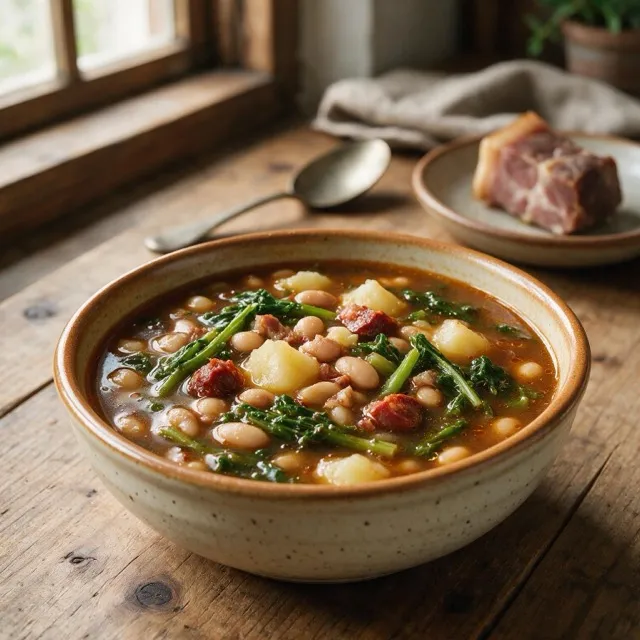
Caldo Gallego
Galicia's signature hearty soup of white beans, potatoes and leafy greens (grelos or turnip tops) enriched with unto (cured pork fat) and often chorizo or ham. It grew from rainy northwestern farm kitchens as a warming, filling first course through cold Atlantic winters.
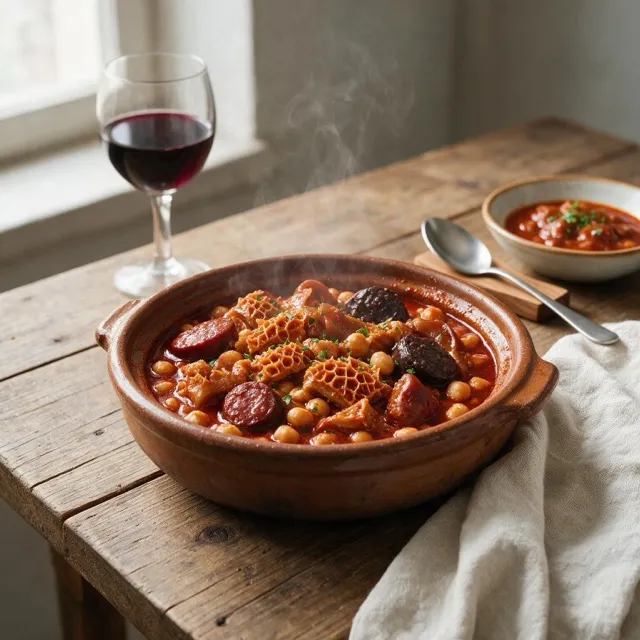
Callos a la Madrileña
Callos a la madrileña is a stew of beef tripe braised with chorizo, morcilla, pork snout and often chickpeas in a paprika-rich sauce. A nose-to-tail dish born of thrift, it has been documented in Madrid since at least the 16th century and was popularized by the city's taverns and casas de comidas.
Carrillada
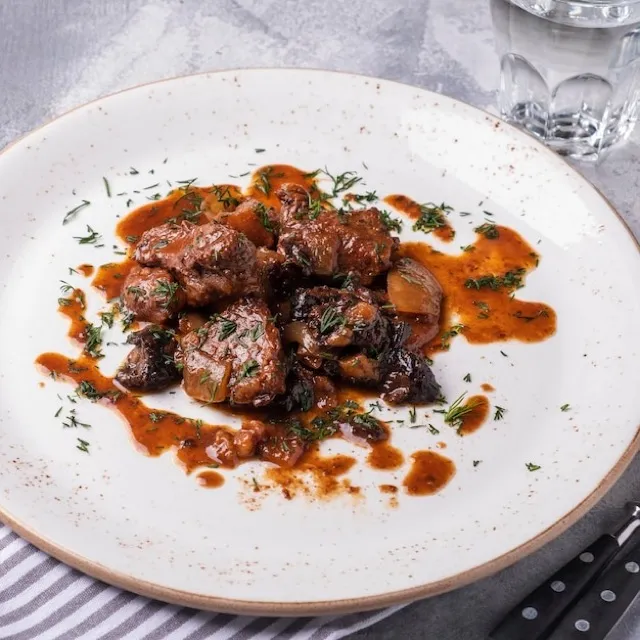
Carrillada is braised pork (or beef) cheek, slow-cooked in wine until it turns silky and spoon-tender thanks to the connective tissue in the muscle. A humble, once-cheap cut, it became a tapas-bar and restaurant favourite across Andalusia and much of Spain.
Cava
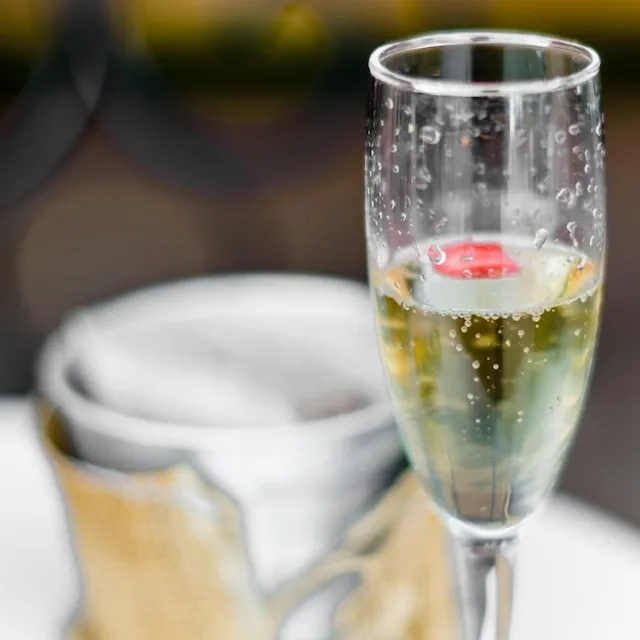
Cava is Spain's traditional-method sparkling wine, first made in 1872 by Josep Raventós of Codorníu after he applied the Champagne method to native Macabeo, Xarel·lo and Parellada grapes in Sant Sadurní d'Anoia. When EU rules barred Spanish producers from using 'champagne,' the wine took the name 'cava' (cellar), for the underground cellars where it ages.
Cecina de León
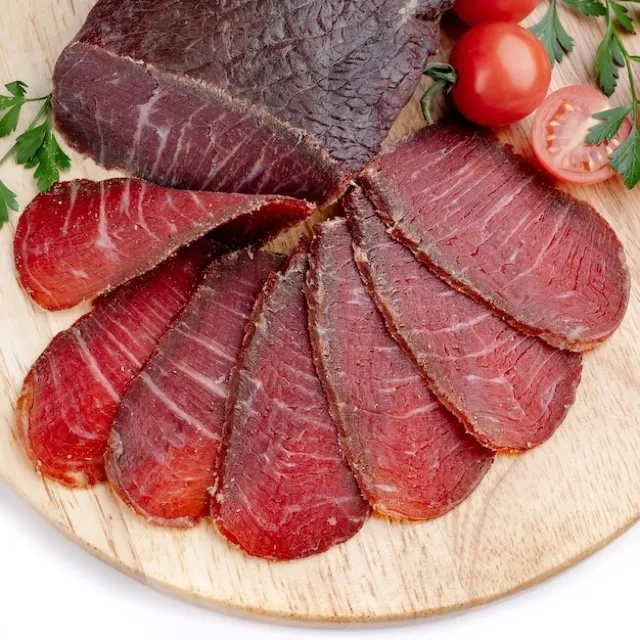
Cecina is air-dried, lightly smoked cured beef from the province of León, traditionally made from the hind leg of the cow. The technique of salting and drying meat to preserve it is pre-Roman on the Iberian plateau, and cecina de León now carries an IGP.
Chipirones en su Tinta
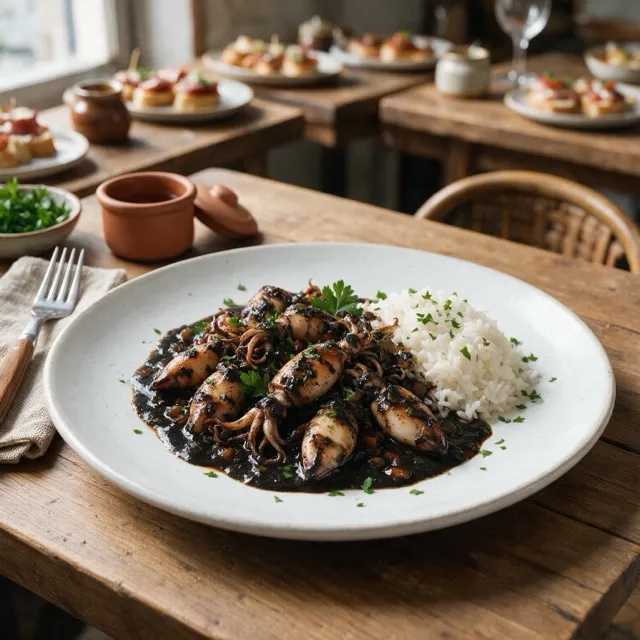
Baby squid cooked in their own ink is a classic of the Basque Country and Cantabrian coast, where small squid (chipirones) are abundant. The squid, sometimes stuffed with their chopped tentacles, are simmered in a dark sauce of onion, tomato and squid ink until jet-black and glossy.
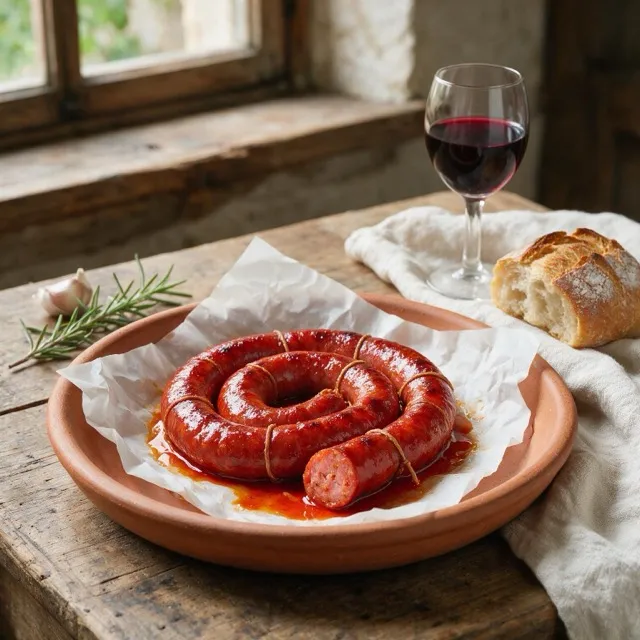
Chistorra
Chistorra is a thin, fast-cured pork sausage seasoned with paprika and garlic, originating in Navarre and the Basque Country. Because it is only briefly cured, it is always cooked, typically pan-fried or grilled until it renders its bright red fat.
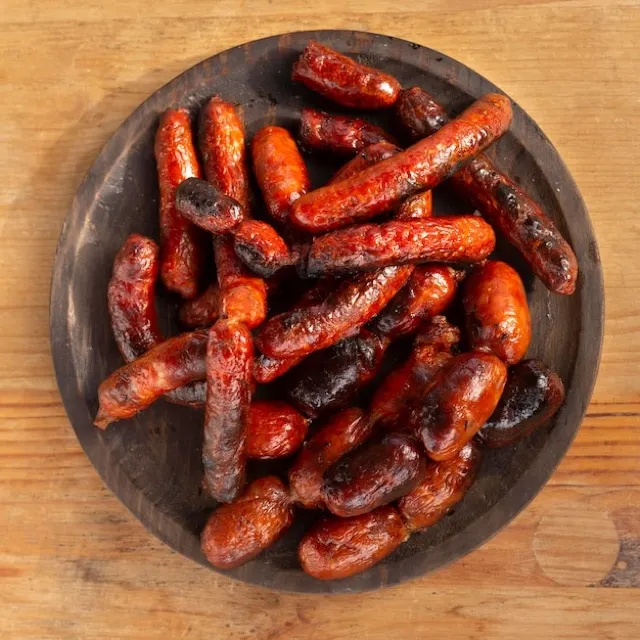
Chorizo
Spanish chorizo is a pork sausage seasoned and coloured with pimentón (smoked paprika), which arrived from the Americas in the 16th century and gave the sausage its signature red hue. Before paprika, cured Iberian sausages were pale; the New World spice transformed them into the chorizo known today.
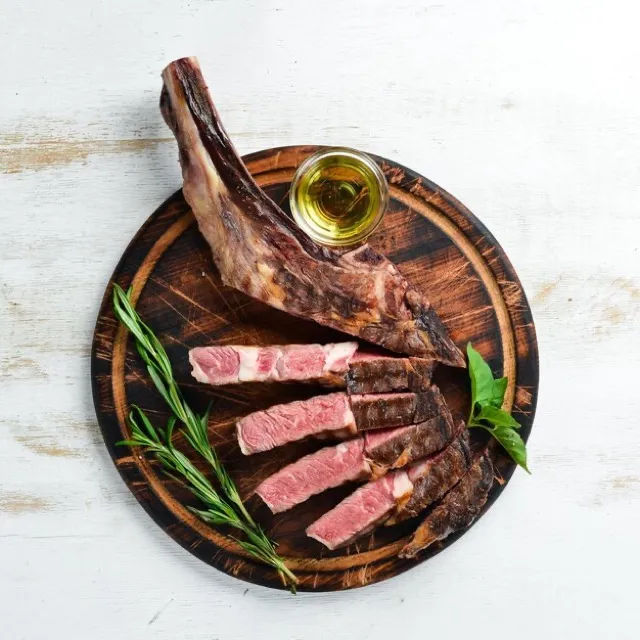
Chuleton
The chuleton (Basque: txuleton) is a huge bone-in rib steak grilled over wood or charcoal, the centrepiece of the Basque and Navarrese asador tradition. It is cut from mature dairy cows and oxen, often 8-14 years old, prized for the deep flavour and yellow fat that age gives the meat.
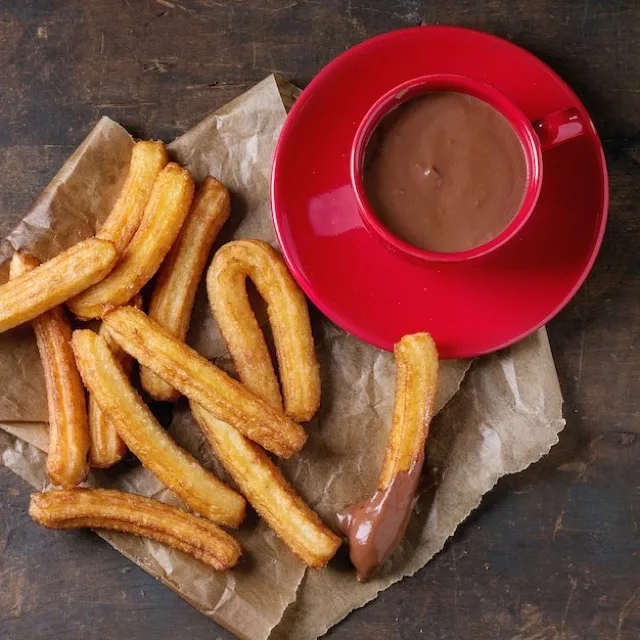
Churros
Churros are ridged sticks of fried dough, crisp outside and tender inside, dusted with sugar and dipped into thick hot chocolate. A Madrid breakfast ritual — especially after late nights — and a festival staple across Spain.
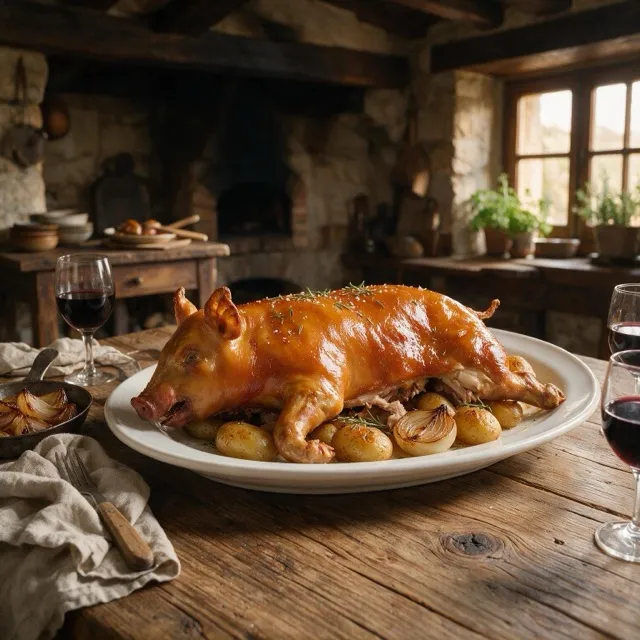
Cochinillo
Cochinillo asado is Segovia’s roast suckling pig: milk-fed piglet roasted until the skin shatters like glass and the meat falls apart. Tradition demands it be cut with the edge of a plate. The dish of Castilian asadores.
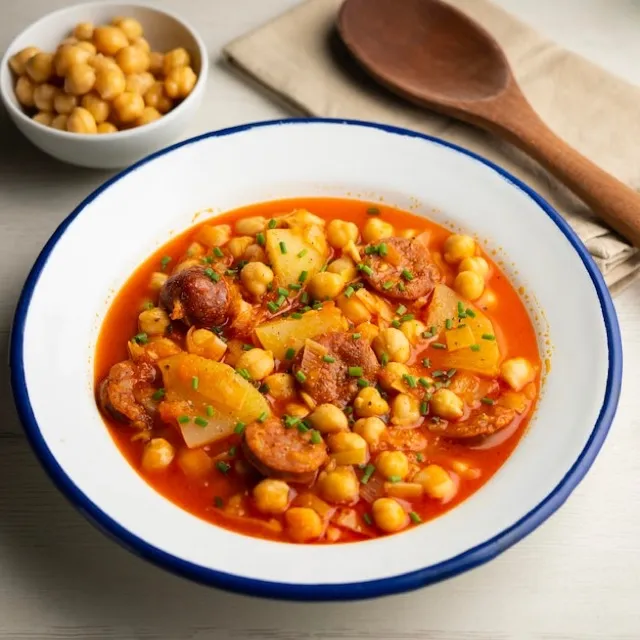
Cocido Madrileño
Cocido madrileño is Madrid's emblematic chickpea-and-meat stew, descended from the medieval 'olla podrida' and widely linked to the Sephardic Sabbath dish adafina. It is traditionally served in three courses ('tres vuelcos'): first the broth as a noodle soup, then the chickpeas and vegetables, then the assorted meats.
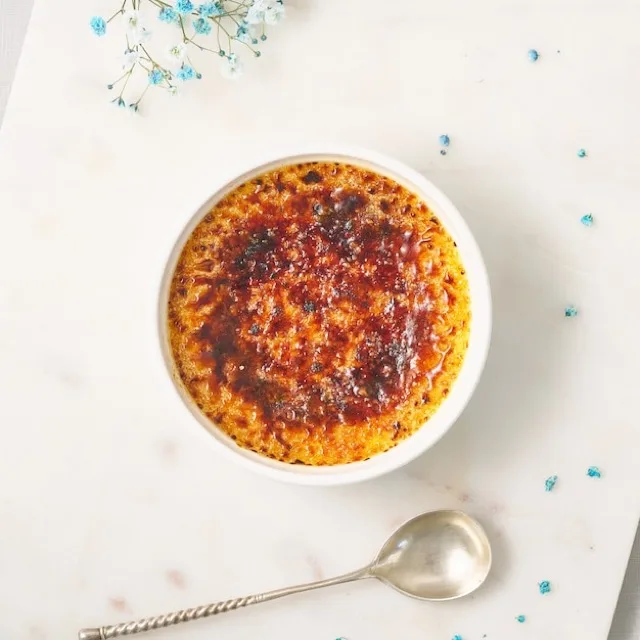
Crema Catalana
Crema catalana is Catalonia’s custard: milk infused with citrus and cinnamon, set with starch rather than baked, and crowned with a caramelized sugar crust cracked at the table. Lighter and more aromatic than crème brûlée.
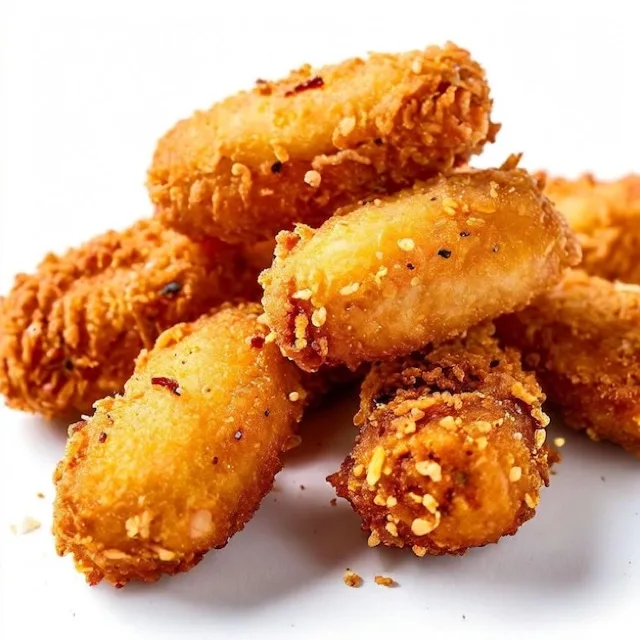
Croquetas
Croquetas are Spanish croquettes: a thick béchamel enriched with jamón, chicken, cod or wild mushrooms, breaded and fried until crisp outside and molten inside. A bar’s croquetas are a point of pride — creamy interior, thin shell, no grease.
Empanada Gallega
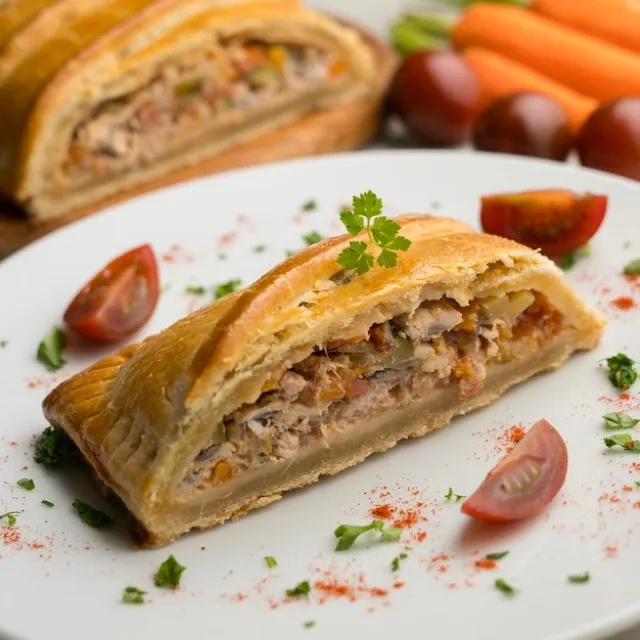
Empanada gallega is Galicia’s large baked pie: a sturdy yet tender crust wrapped around fillings of tuna, sardines, octopus or meat sautéed with onion, pepper and tomato. Sold by the slice from market stalls, best eaten the day it is baked.
Ensaimada
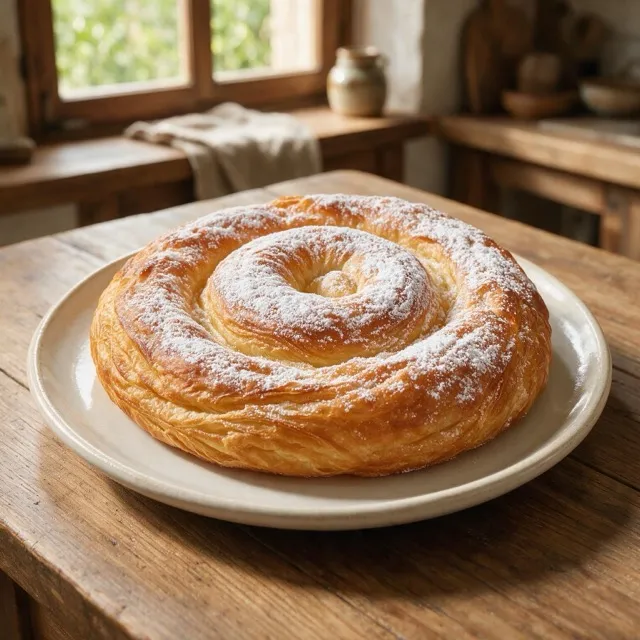
A coiled spiral pastry from Mallorca made with a lard-enriched dough (saim means lard in Mallorcan), stretched thin, rolled and proofed slowly, then dusted with icing sugar. Documented since the 17th century, it reflects the island's Balearic baking tradition. It carries a Protected Geographical Indication.
Ensaladilla Rusa
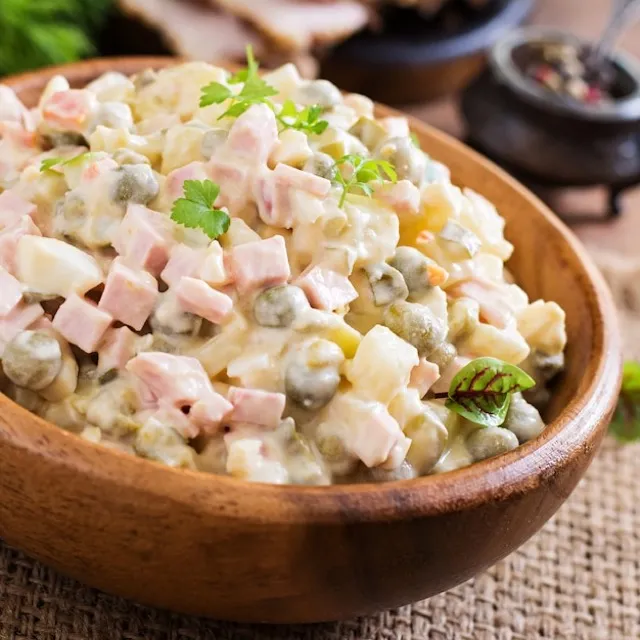
Ensaladilla rusa is the Spanish potato salad found on every tapas counter: potatoes, carrots, peas and tuna bound in mayonnaise, often crowned with a white anchovy. Creamy, cool, and a benchmark of a bar’s everyday cooking.
Entrecot a la Plancha
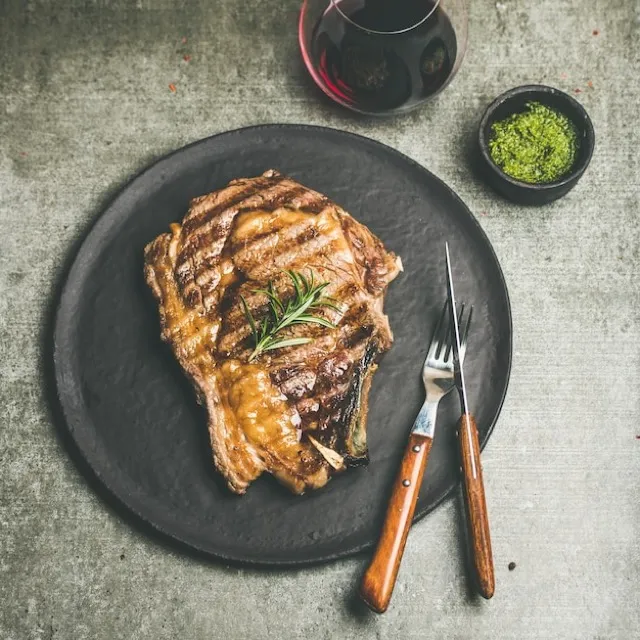
Entrecot is a boneless rib steak seared on a plancha or grill, a staple of Spanish asadores and everyday restaurants alike. Lighter and quicker than the huge bone-in chuleton, it is seasoned simply with salt and often finished with Padron peppers, fried potatoes or a blue-cheese or pepper sauce.
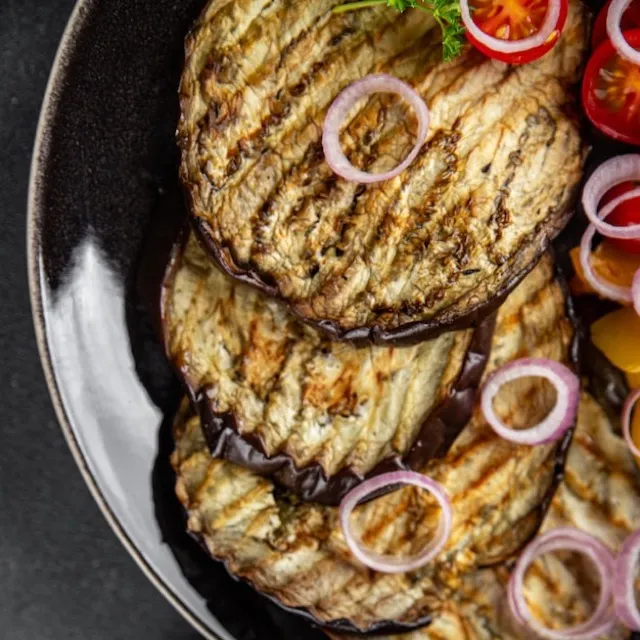
Escalivada
A Catalan dish of red peppers, aubergine and onion roasted over embers, then peeled, torn into strips and dressed with olive oil and salt. The name comes from the Catalan 'escalivar', to cook in ashes, reflecting its rustic wood-fire origins. It is served cold or at room temperature, often over toast or with anchovies.
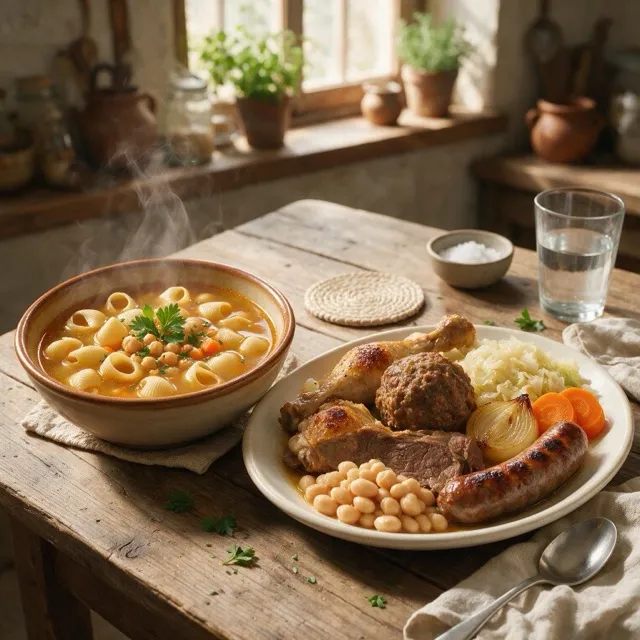
Escudella i Carn d'Olla
Escudella i carn d'olla is Catalonia's great boiled dinner, a broth-and-meats stew whose name comes from the bowl ('escudella') it is served in.
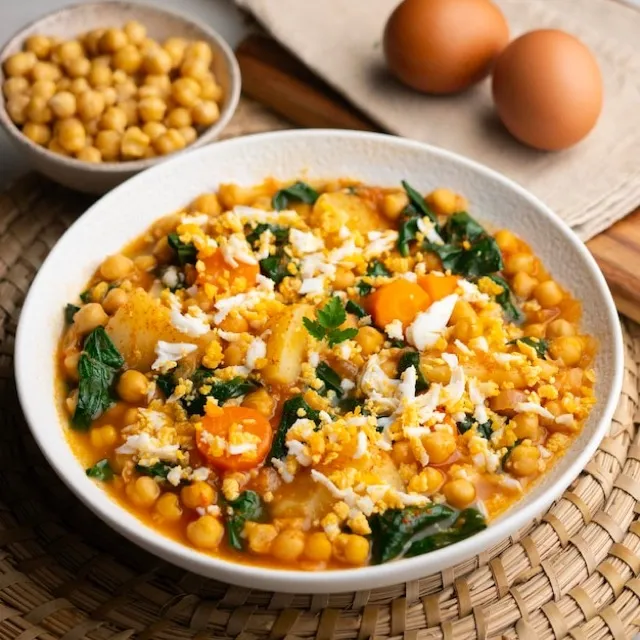
Espinacas con Garbanzos
A Sevillian stew of chickpeas and spinach seasoned with cumin, garlic, paprika and fried bread, its spice profile a legacy of Andalusia's Moorish kitchens. A staple Lenten and tapas-bar dish in Seville, it turned cheap pantry ingredients into a hearty vegetarian plate. It remains one of the most iconic tapas of southern Spain.
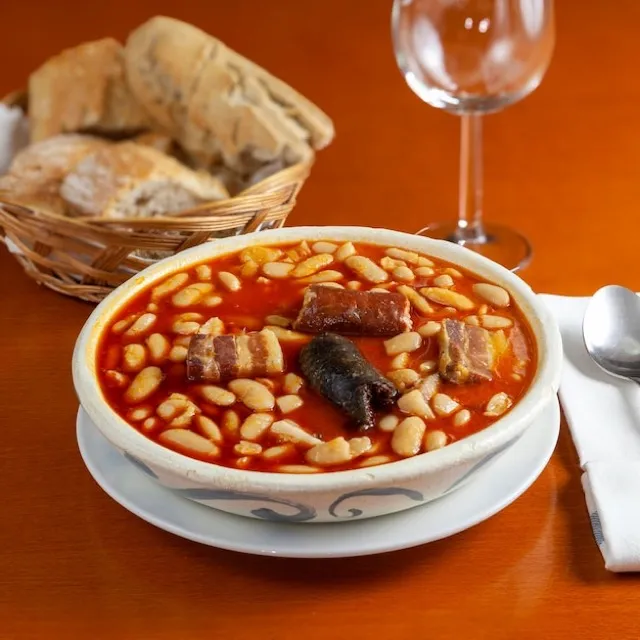
Fabada Asturiana
Fabada is Asturias’ mountain stew: large white fabes beans slow-simmered with chorizo, morcilla (blood sausage) and pork belly until the broth turns silky. Winter food of the highest order — rich, smoky and served with bread and cider.
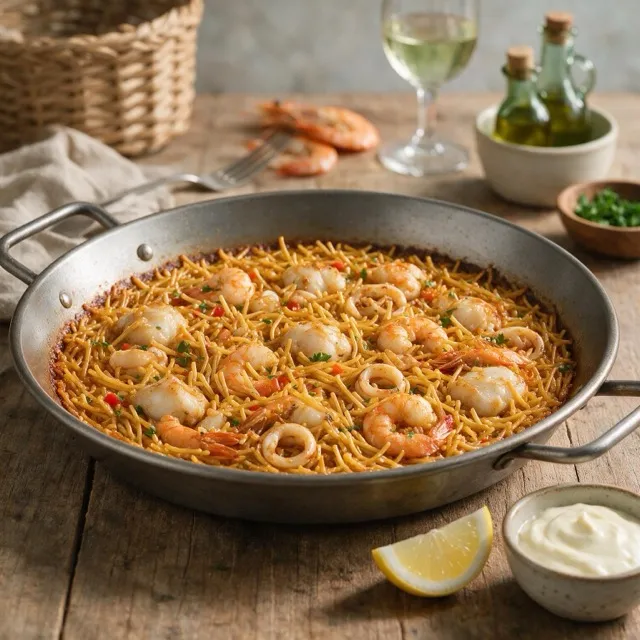
Fideuà
Fideuà is paella’s noodle sibling from Valencia’s coast: short fideus noodles toasted and cooked in fish stock in the same wide pan, finished with alioli. Born on fishing boats, it delivers the same socarrat crust with a different bite.
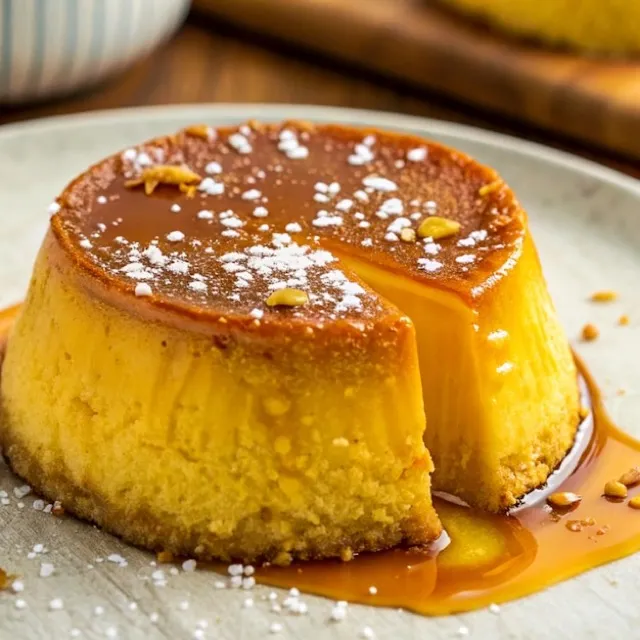
Flan
A baked egg custard set in a mould lined with liquid caramel, then inverted so the caramel becomes a sauce. Descended from Roman egg custards and refined in medieval Iberia, it became one of Spain's most ubiquitous everyday desserts.
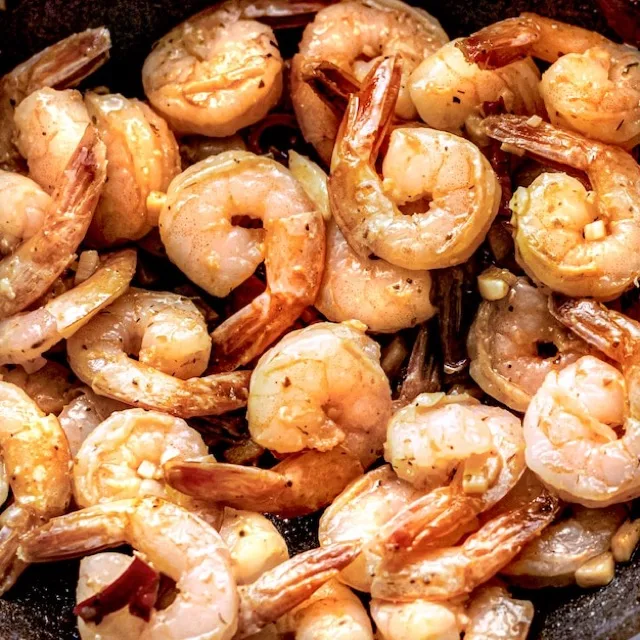
Gambas al Ajillo
Gambas al ajillo are prawns sizzled in olive oil with sliced garlic and dried chilli, served bubbling in a small clay dish. The infused oil is as important as the prawns — bread for dipping is mandatory. A tapas-bar classic across all of Spain.
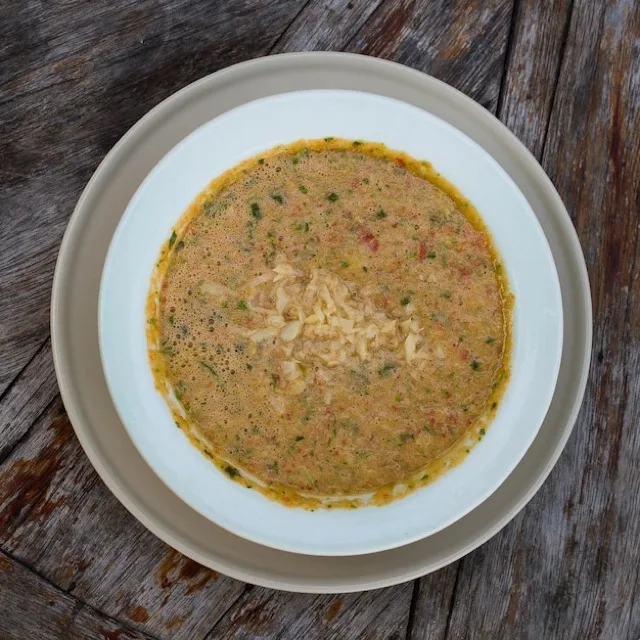
Gazpacho
Gazpacho is Andalusia’s cold blended soup of ripe tomatoes, cucumber, pepper, garlic, olive oil and sherry vinegar. Served chilled in summer, it is closer to a savoury smoothie than a soup — refreshing, sharp and deeply tied to southern Spanish heat.
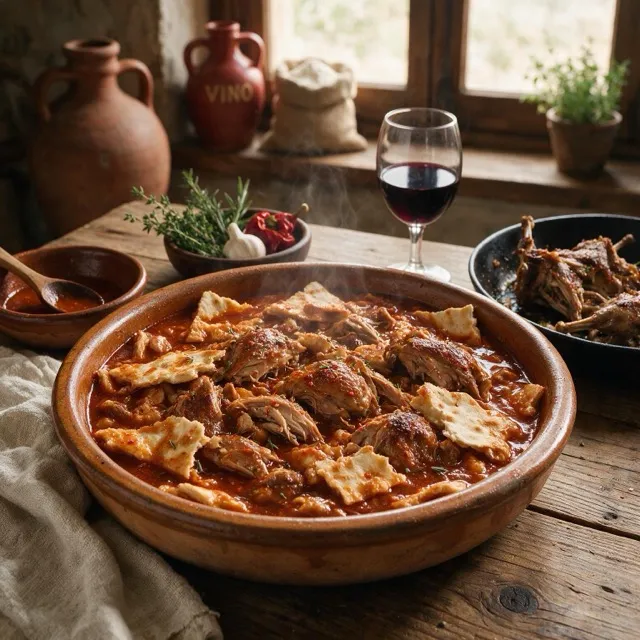
Gazpacho Manchego
Despite the name, gazpacho manchego (also called galianos) is a hot game stew from La Mancha, unrelated to the cold Andalusian gazpacho. Shepherds traditionally made it with rabbit, hare or partridge, thickened and eaten with pieces of unleavened flatbread ('torta cenceña') that cook right in the pot.
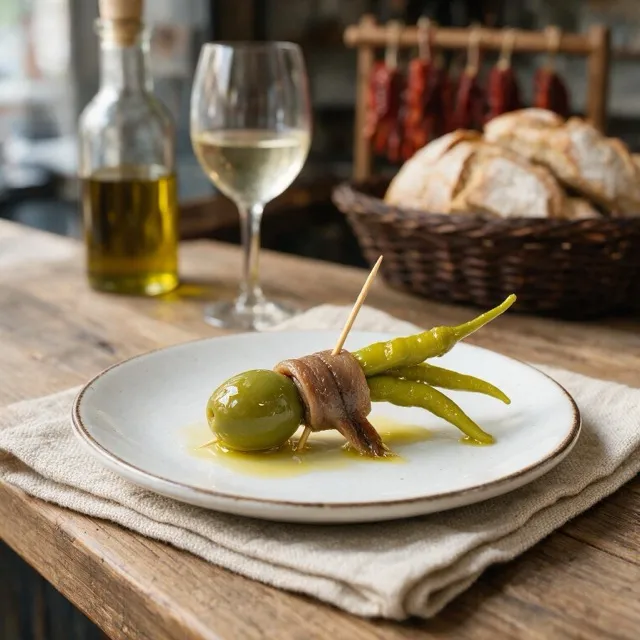
Gilda
The original Basque pintxo: a skewer of green olive, salt-cured anchovy and pickled guindilla pepper. Created in the 1940s at Bar Casa Vallés in San Sebastián, it was named after Rita Hayworth's film character Gilda because it was 'green, salty and a little spicy'. It remains the archetypal one-bite bar snack across the Basque Country.
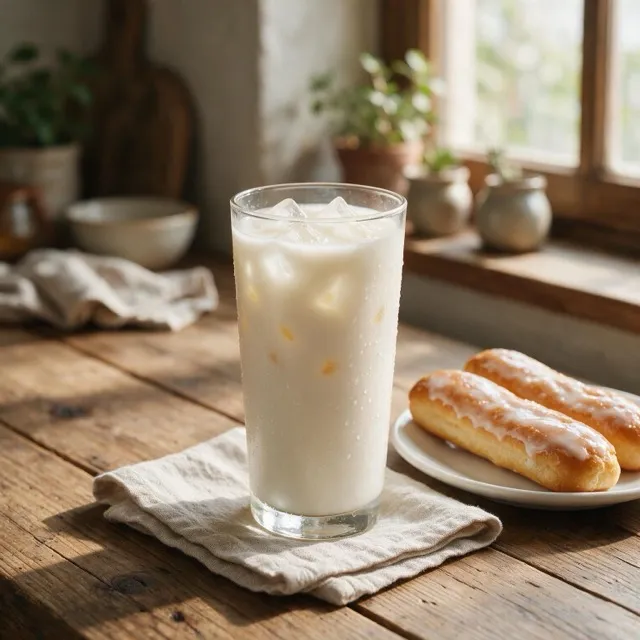
Horchata de Chufa
Horchata de chufa is a non-alcoholic drink made from ground tiger nuts (chufa), water and sugar, grown in the fertile l'Horta around Valencia since the Moorish era. It is protected by the Denominación de Origen Chufa de Valencia and traditionally served ice-cold or semi-frozen. Locals pair it with long sweet pastries called fartons.
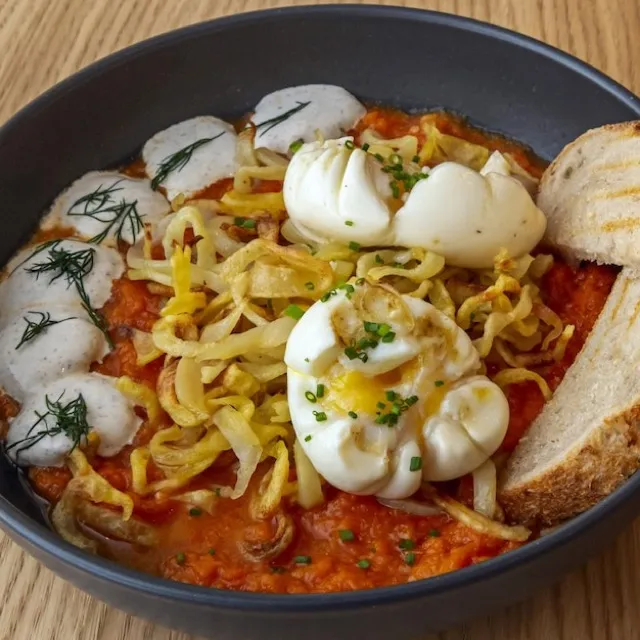
Huevos Rotos
Fried eggs 'broken' over a bed of fried potatoes so the runny yolk coats them, usually with jamón or chorizo — a tavern and home dish tied to Madrid, where it is also called huevos estrellados. It was popularised in the capital by Casa Lucio, whose 'huevos estrellados' became a celebrity favourite.
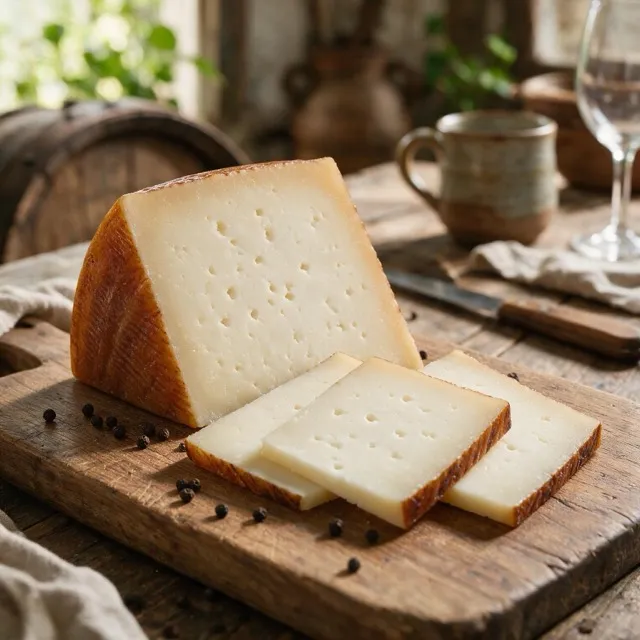
Idiazábal
Idiazábal is a firm raw sheep's-milk cheese from the Basque Country and Navarre, made from the milk of the local Latxa and Carranzana breeds. Basque shepherds historically stored the cheese in cabin rafters, where hearth smoke naturally cured and flavoured it — the origin of its optional smoked style. It carries a DOP.
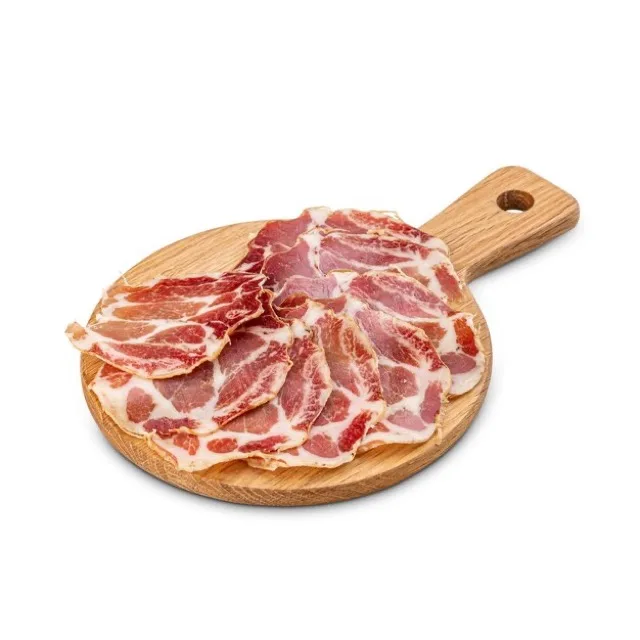
Jamón Ibérico
Jamón ibérico is cured ham from Iberian-breed pigs, aged up to four years. The highest grade, bellota, comes from acorn-fed, free-range pigs and melts like butter. Look for the official colour-coded labels: black (bellota 100% ibérico), red, green and white.
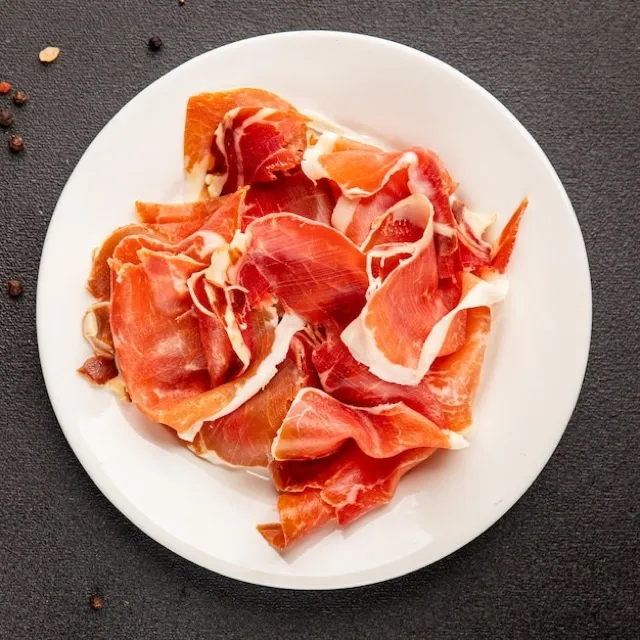
Jamón Serrano
Jamón serrano is dry-cured ham from white pig breeds, made across Spain's mountain (sierra) regions where cold, dry air cured the legs. It is Spain's everyday cured ham, less marbled and cheaper than ibérico, salted and air-dried for roughly 12 to 18 months.

Jerez (Sherry)
Jerez, or sherry, is a fortified wine from the 'Sherry Triangle' of Jerez de la Frontera, El Puerto de Santa María and Sanlúcar de Barrameda. Vine-growing here dates to Phoenician times, and the wine's global trade boomed through British merchants from the 16th century.
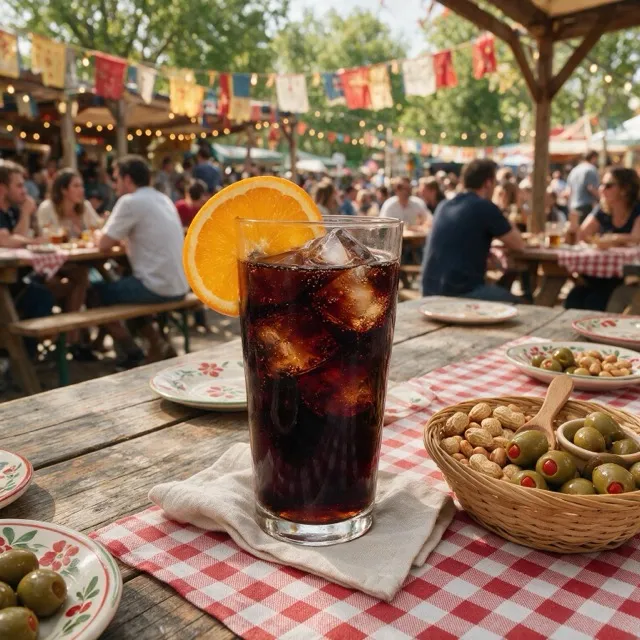
Kalimotxo
Kalimotxo is equal parts red wine and cola, reputedly invented in 1972 at the Puerto Viejo fiestas in Getxo, when vendors salvaged a batch of soured wine by cutting it with cola. It was named after two friends nicknamed Kalimero and Motxo. It is a cheap, cheerful staple of Basque festivals, beaches and 'cuadrilla' gatherings.
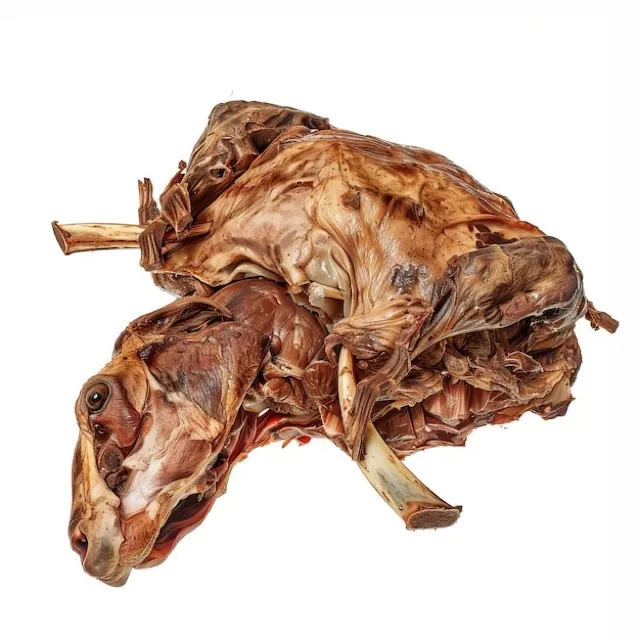
Lechazo / Cordero Asado
Lechazo is milk-fed lamb under about 35 days old, slow-roasted whole in a wood-fired clay oven with nothing but lard, water and salt.
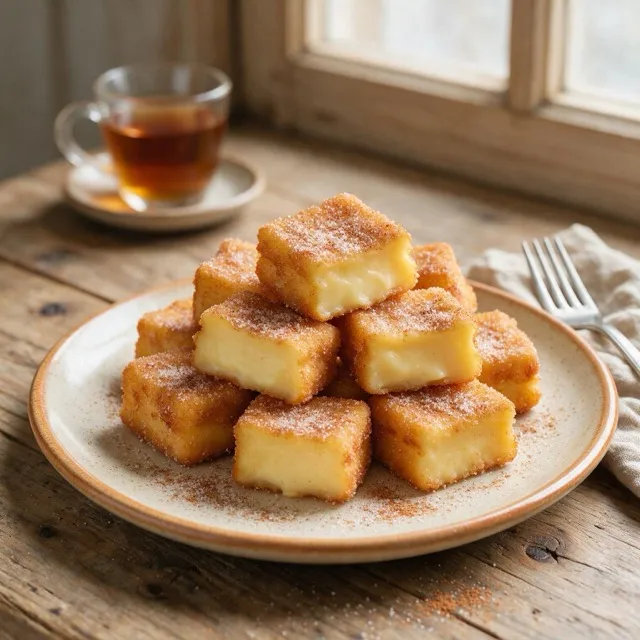
Leche Frita
"Fried milk" is made by cooking milk with flour and sugar into a thick pastry cream, chilling it until firm, then cutting it into squares that are breaded and fried and dusted with cinnamon sugar. It originates in northern Spain, associated with the Basque Country, Cantabria and Castile.
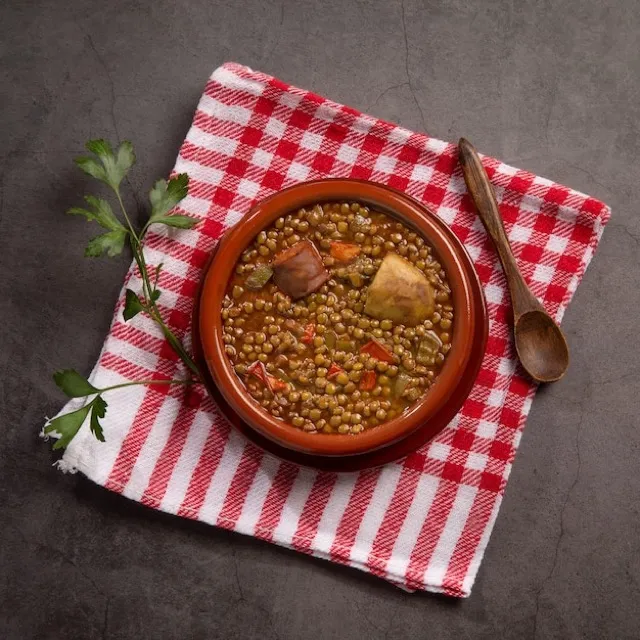
Lentejas Estofadas
Lentil stew is one of Spain's most everyday home dishes, eaten across the whole country as a classic 'plato de cuchara'. Lentils are among the oldest cultivated legumes in the Mediterranean and were a cheap, filling staple long before refrigeration.
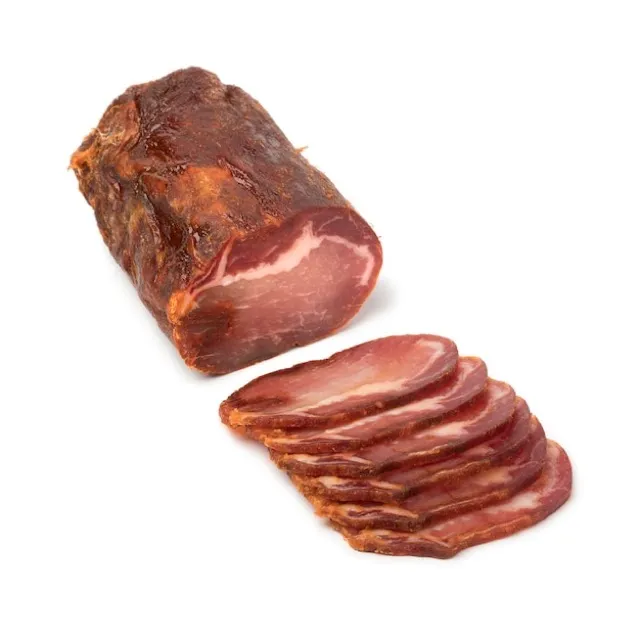
Lomo Embuchado
Lomo embuchado is cured pork loin, a lean whole muscle rubbed with pimentón, garlic and salt, then stuffed into a casing and air-dried for months. Using the prized loin, it has long been one of the more prestigious Spanish embutidos. When made from Iberian acorn-fed pigs it becomes lomo ibérico de bellota.
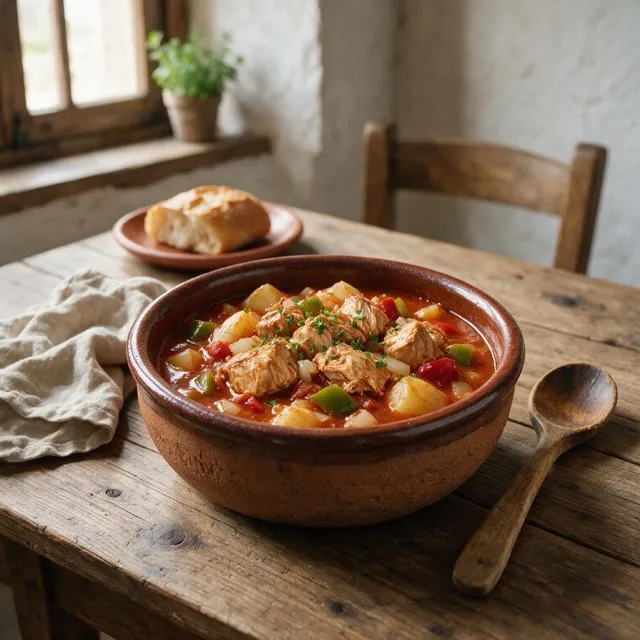
Marmitako
Marmitako is a Basque tuna-and-potato stew born aboard fishing boats, named after the 'marmita' cooking pot in which crews cooked their catch. Traditionally made with bonito or albacore tuna during the summer season, it combines potatoes, onions, peppers and choricero pepper pulp. It remains a beloved coastal comfort dish across the Basque Country and Cantabria.
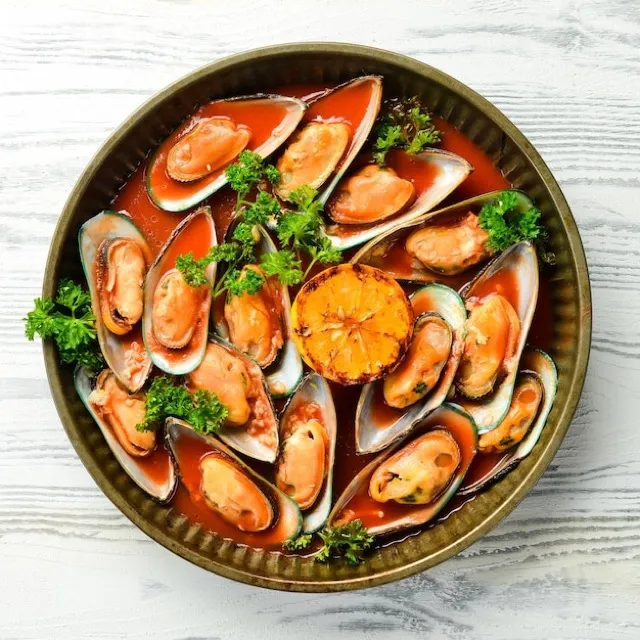
Mejillones a la Marinera
Fishermen's-style mussels come from Spain's Atlantic coast, above all Galicia, whose rías produce most of Europe's cultivated mussels on floating bateas. The dish steams mussels open in white wine, onion, garlic and tomato, a simple preparation born from onboard and dockside cooking. It spread nationwide as an inexpensive, abundant tapa.
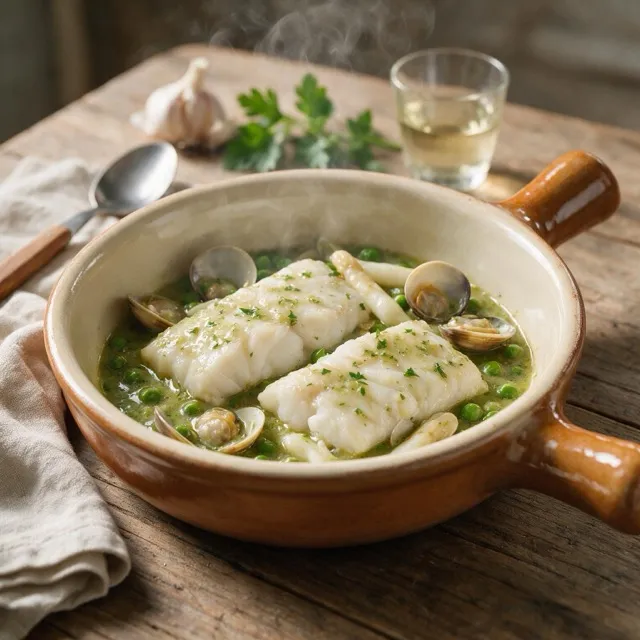
Merluza en Salsa Verde
Hake in green sauce, also known as merluza a la vasca, is a signature of Basque home and restaurant cooking. The 'green sauce' is built from olive oil, garlic, parsley and fish stock thickened with flour, often finished with clams, peas or asparagus.
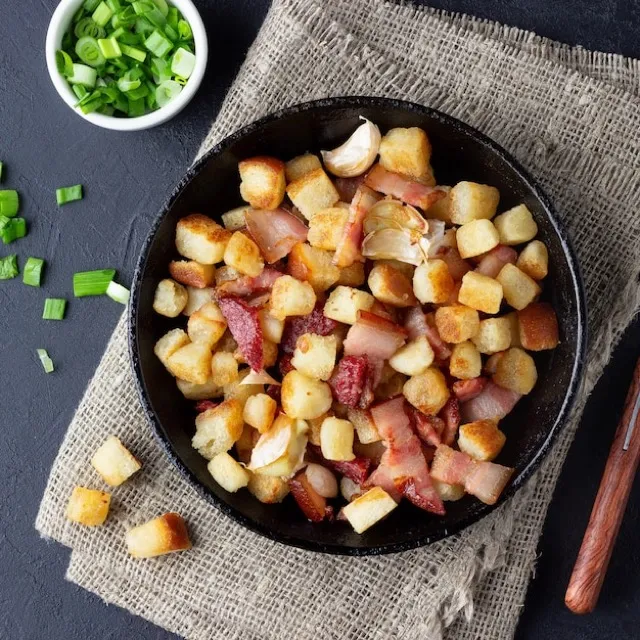
Migas
Migas ('crumbs') is a shepherds' dish of stale bread, or flour in some regions, fried in olive oil with garlic and usually chorizo, pancetta and peppers. It was created to use up hard leftover bread and gave shepherds and farm laborers cheap, filling energy across central and southern Spain.
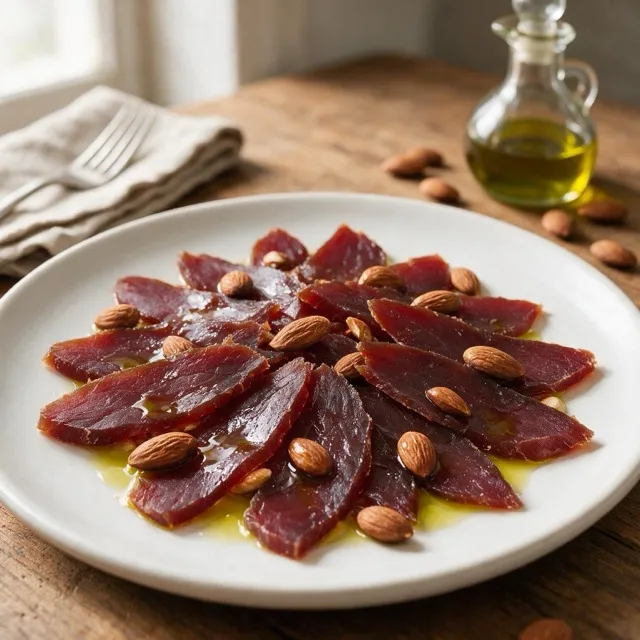
Mojama
Tuna loin salt-cured and air-dried into a dense, deep-red delicacy nicknamed the 'ham of the sea'. The technique traces back to the Phoenicians who fished the Cádiz coast, and it is still made around Barbate and Isla Cristina from the Almadraba bluefin catch.
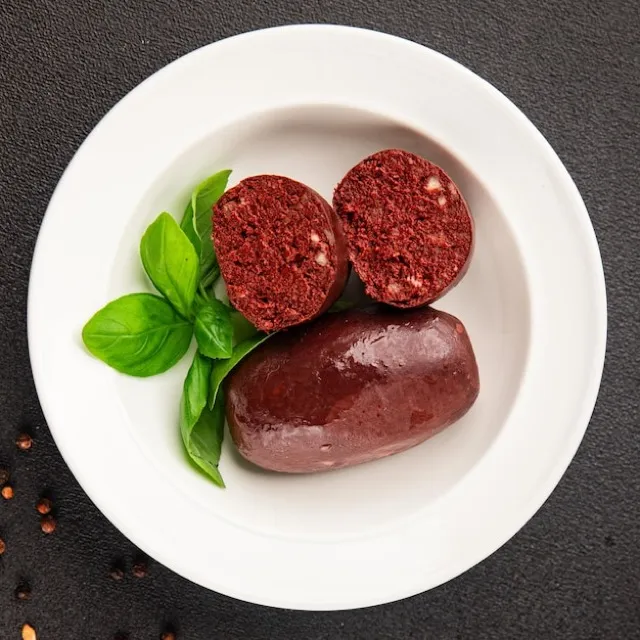
Morcilla
Morcilla is Spanish blood sausage, with the most famous style coming from Burgos in Castile, where it is bound with rice, onion and spices. A product of the traditional pig slaughter (matanza), it uses every part of the animal.
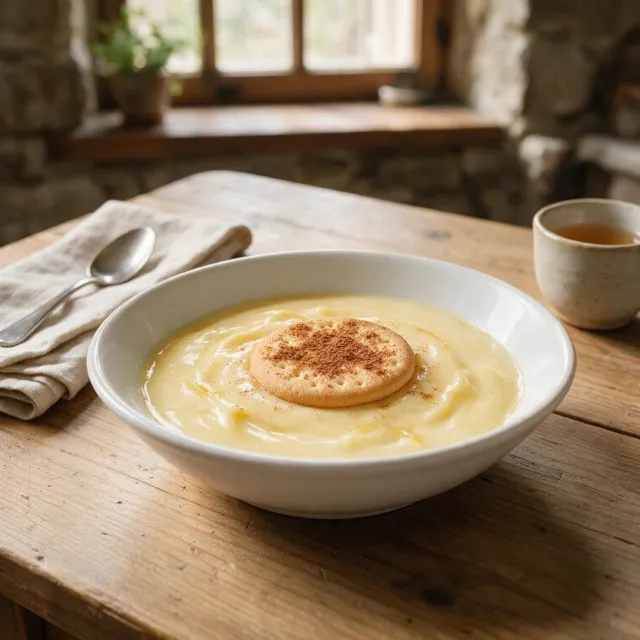
Natillas
A soft stirred custard of milk, egg yolks and sugar infused with lemon peel and cinnamon, thinner and unset compared with flan. A humble home dessert of long standing across Spain, it is traditionally served in shallow bowls topped with a Maria biscuit and a dusting of cinnamon.
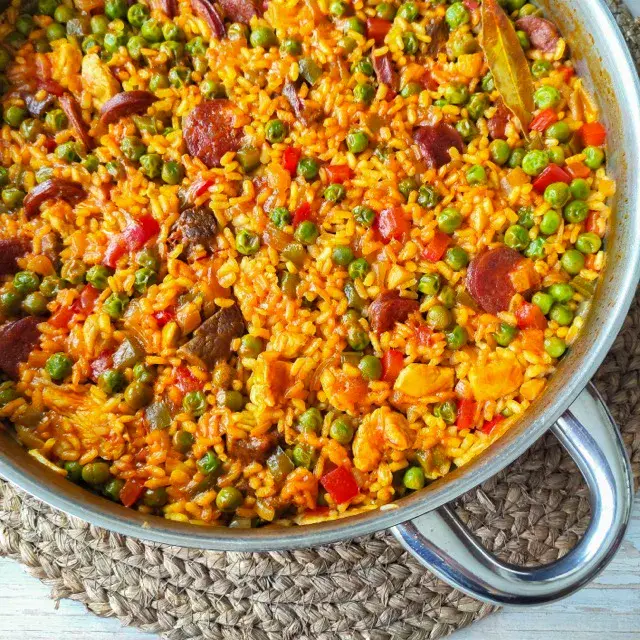
Paella
Paella is Spain’s iconic rice dish from Valencia, cooked in a wide, shallow pan over open heat. Short-grain bomba rice absorbs a saffron-scented stock until tender but firm, forming the prized crispy bottom layer called socarrat. Traditional versions feature rabbit and chicken; seafood and mixed versions are equally beloved worldwide.
Paella de Marisco
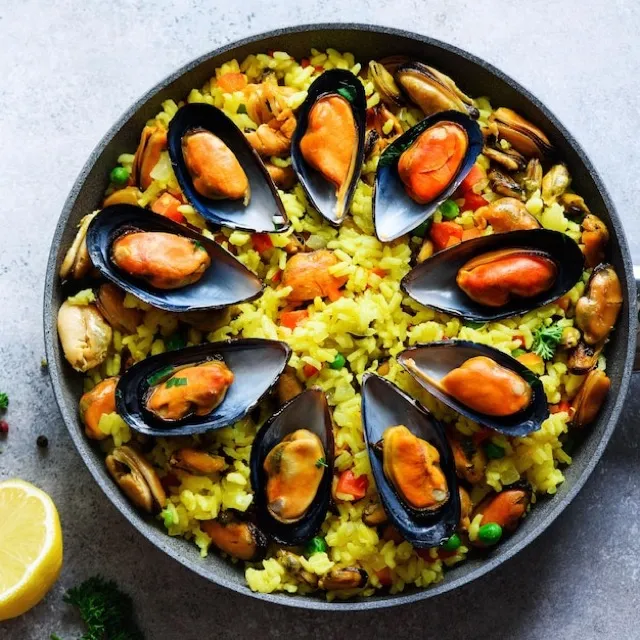
The seafood cousin of the Valencian original, developed along the Mediterranean coast where the day's catch replaced the inland rabbit and chicken. It layers prawns, mussels, clams, squid and often crayfish over saffron rice cooked in a shellfish stock.
Pan con Tomate
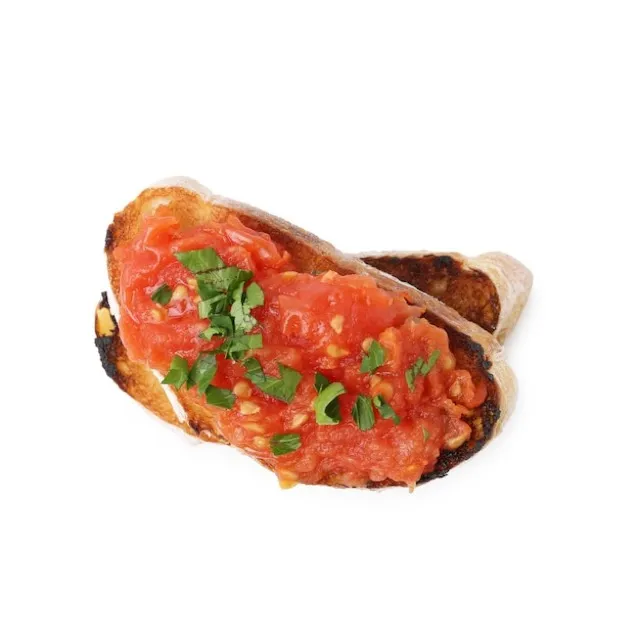
Known in Catalan as pa amb tomàquet, this is toasted bread rubbed with ripe tomato and garlic, then drizzled with olive oil and salt. It emerged as a humble Catalan way to revive stale bread and dress it with the region's produce, likely spreading after the tomato arrived from the Americas.
Patatas Bravas
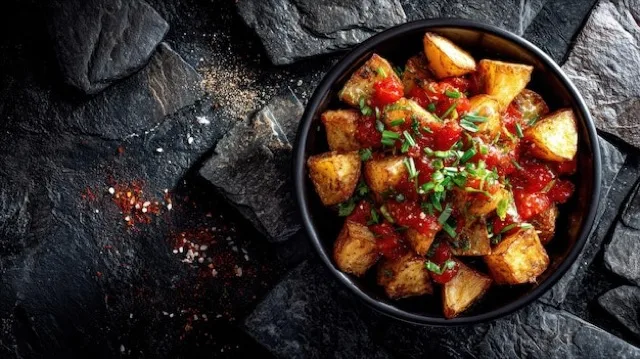
Patatas bravas are fried potato cubes served with a spicy tomato-based bravas sauce, often with aioli. Every bar guards its own sauce recipe. Crisp edges, fluffy centres and a sauce with real heat separate a great bravas from a plate of chips.
Percebes
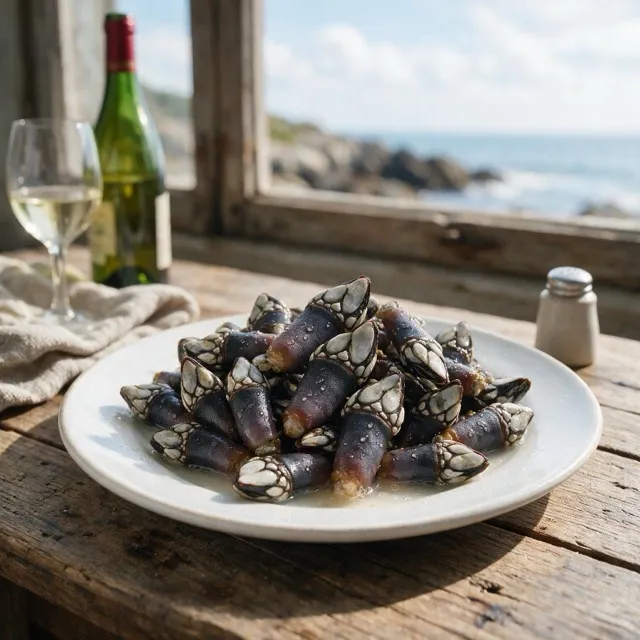
Percebes are goose barnacles harvested from wave-battered rocks along Galicia's Costa da Morte, one of Spain's most prized and dangerous delicacies. The percebeiros who pry them from the tide risk their lives, which drives prices past 200 euros per kilo at peak.
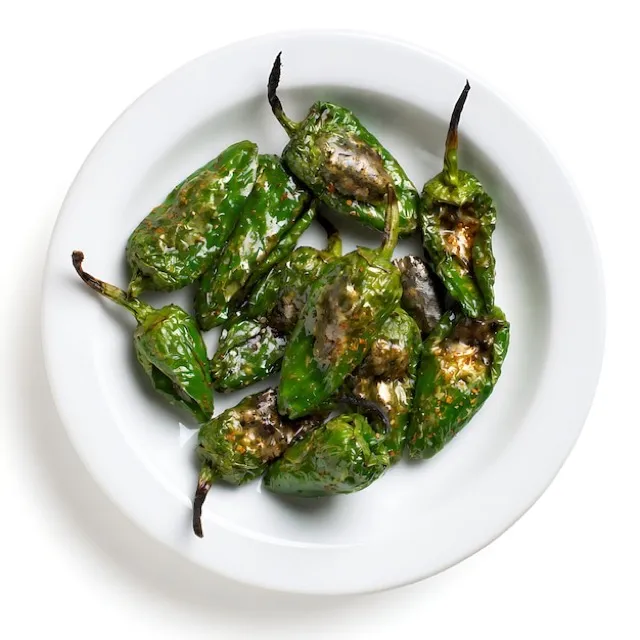
Pimientos de Padrón
These small green peppers come from the town of Padrón in Galicia, where Franciscan monks are said to have brought pepper seeds from the Americas in the 16th century. Fried whole in olive oil and finished with coarse salt, they are famous for the roulette that most are mild but the occasional one is fiery.
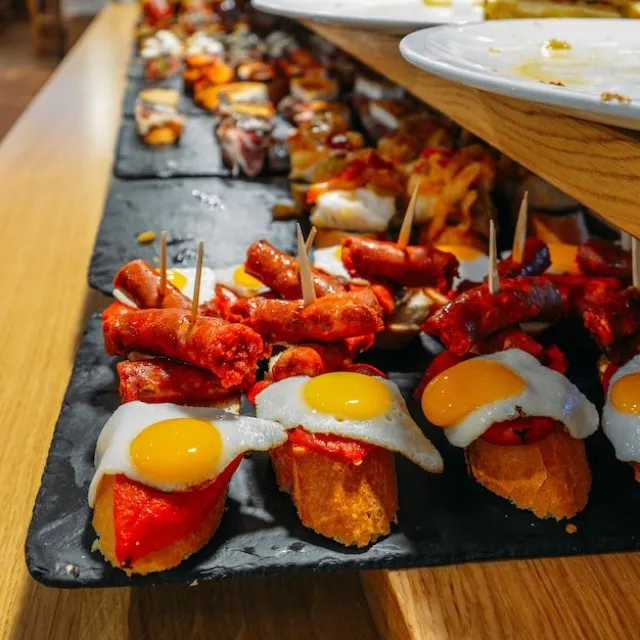
Pintxos
Pintxos are the Basque Country’s answer to tapas: small bites skewered or stacked on bread, lined up on bar counters in San Sebastián and Bilbao. You point, the bar plates, and the toothpicks on your plate count the bill.
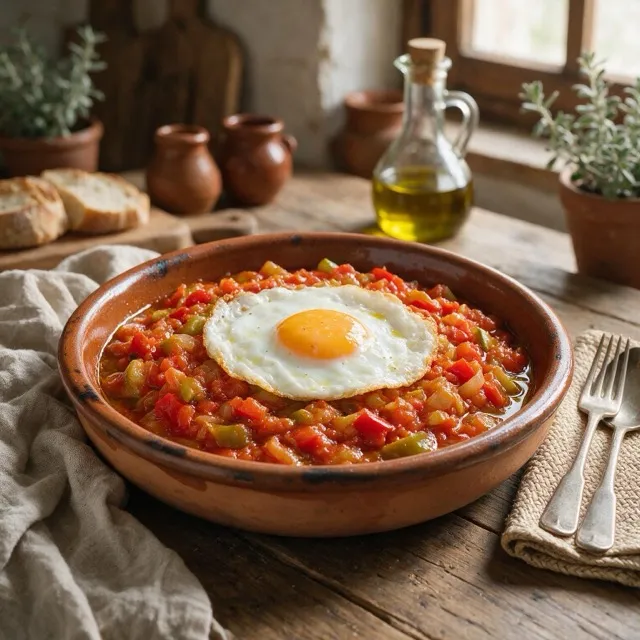
Pisto Manchego
A slow-cooked stew of tomato, pepper, onion, courgette and olive oil from Castilla-La Mancha, born as a way to use up the summer vegetable glut. Related to French ratatouille and Murcian pisto, it long served as humble farm and shepherd food across central Spain.
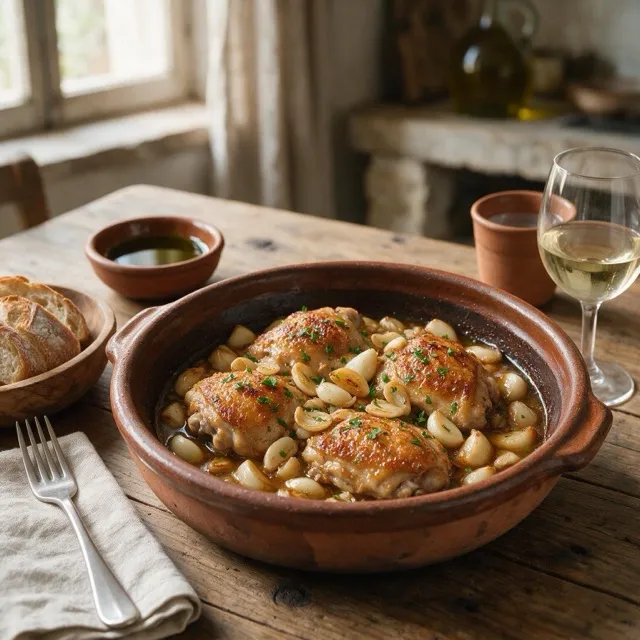
Pollo al Ajillo
Pollo al ajillo is chicken pieces sauteed hard with lots of garlic, olive oil and often white wine or sherry and a splash of brandy. A rustic, everyday dish rooted in the inland farming regions of Castile and Andalusia, it uses cheap cuts and pantry staples.
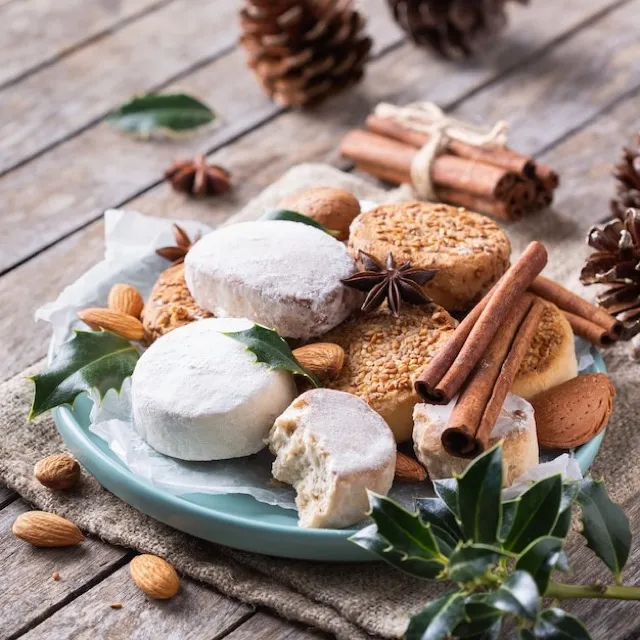
Polvorones
Crumbly shortbread made with toasted flour, lard, sugar and often almonds, so tender it turns to dust (polvo) in the mouth. Originating in Andalusia, especially Estepa near Seville, they date to the 16th century and are a cornerstone Christmas sweet. Each one is traditionally wrapped in twisted tissue paper.
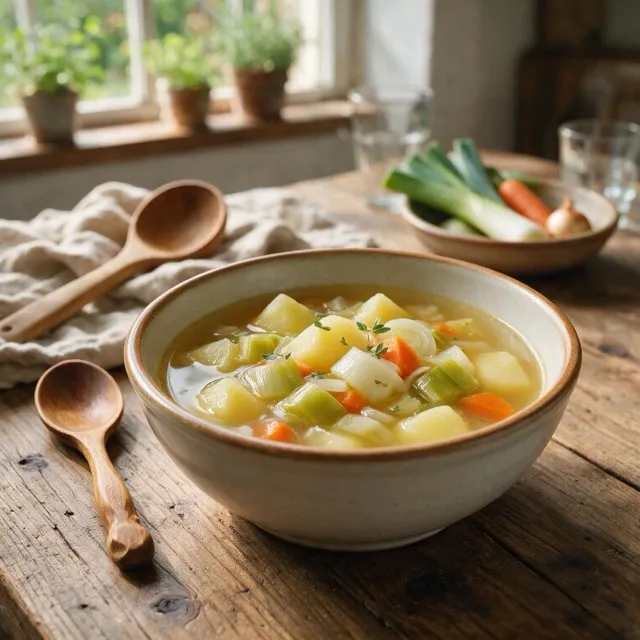
Porrusalda
A Basque leek-and-potato soup whose name joins the Basque words 'porru' (leek) and 'salda' (broth), traditional across the Basque Country, Navarra and La Rioja. It is classic peasant cooking — frugal, warming and built on humble root vegetables — and a fixture of Basque home kitchens for generations.
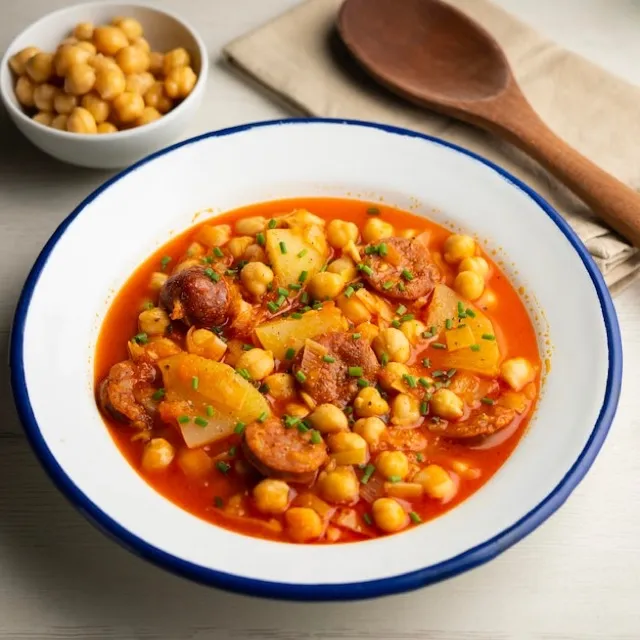
Potaje de Garbanzos
Potaje de garbanzos is a chickpea stew found across Spain, most famous in its Lenten form ('potaje de vigilia') with salt cod and spinach. The meatless version arose from Catholic fasting rules that forbade meat on certain days, especially during Lent and Holy Week.
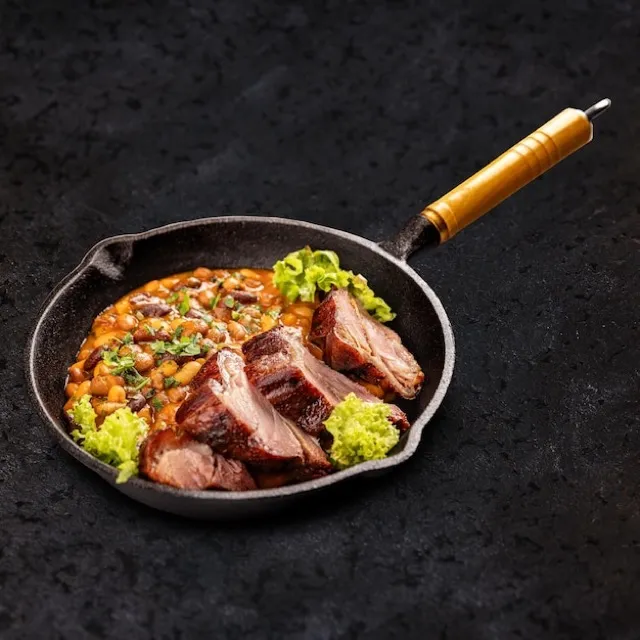
Pote Gallego
Pote gallego is a thick Galician stew of white beans, potatoes, grelos (turnip greens) and cured pork such as lacón, chorizo and unto. It is the heartier, more solid relative of caldo gallego and reflects the pork-and-greens diet of Spain's rainy northwest. Warming and calorie-dense, it was rural farmworkers' cold-weather fuel.
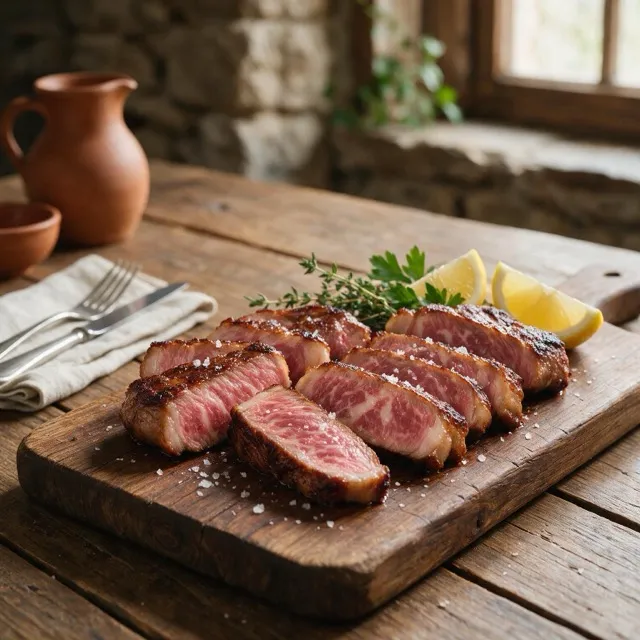
Presa Iberica
Presa is a well-marbled cut from the top of the shoulder (the collar/blade end) of the Iberian pig, one of the small 'butcher's cuts' that come from acorn-fed animals in the western Spanish dehesa. Long overlooked and used for cured meats, it became a restaurant star for its tenderness and rich, nutty fat.
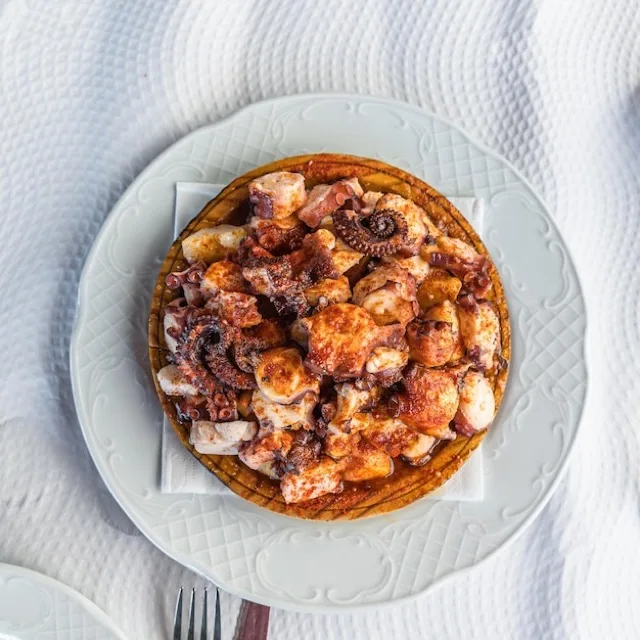
Pulpo a la Gallega
Pulpo a la gallega is Galicia’s signature octopus dish: tender boiled octopus sliced over potatoes, dressed with olive oil, sea salt and smoked paprika (pimentón). Traditionally served on wooden plates at fairs, it tests a kitchen’s touch — rubbery octopus fails instantly.

Queimada
Queimada is a flaming Galician punch made from orujo (grape-pomace spirit) with sugar, lemon peel and coffee beans, set alight and stirred until the flames turn blue. An incantation, the 'conxuro da queimada,' is recited to ward off evil spirits.
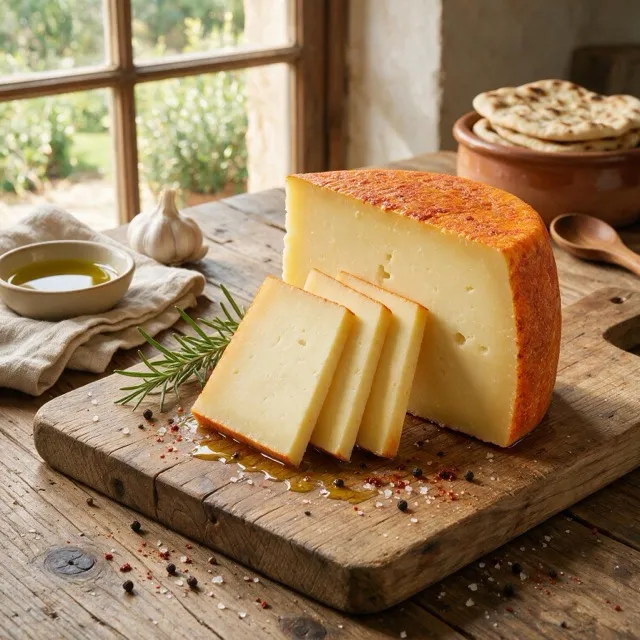
Queso Mahón
Mahón is a cow's-milk cheese from the island of Menorca, named for its port city. Its distinctive orange rind comes from rubbing the surface with butter and pimentón during aging, and the salty, slightly sharp flavour reflects the island's sea air and pastures. It holds a DOP as Mahón-Menorca.
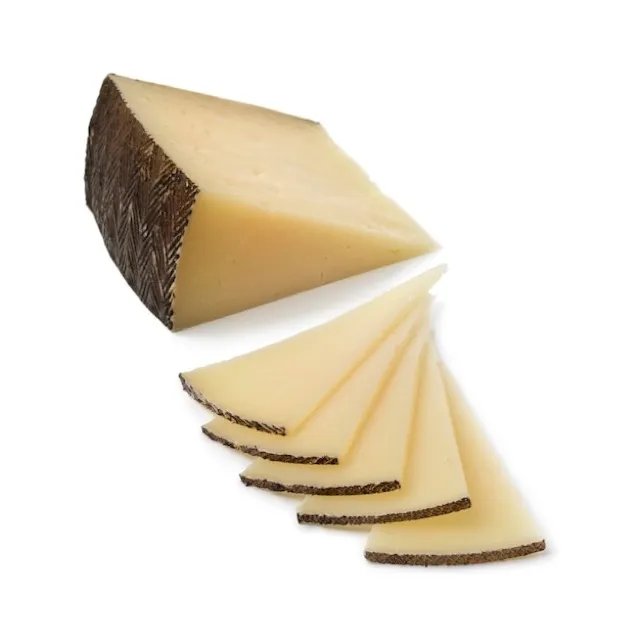
Queso Manchego
Manchego is a firm sheep's-milk cheese from the plains of La Mancha, made exclusively from the milk of the local Manchega breed. Cheesemaking there is ancient — traces appear at Bronze Age sites — and the herringbone rind pattern once came from the esparto-grass moulds shepherds used.
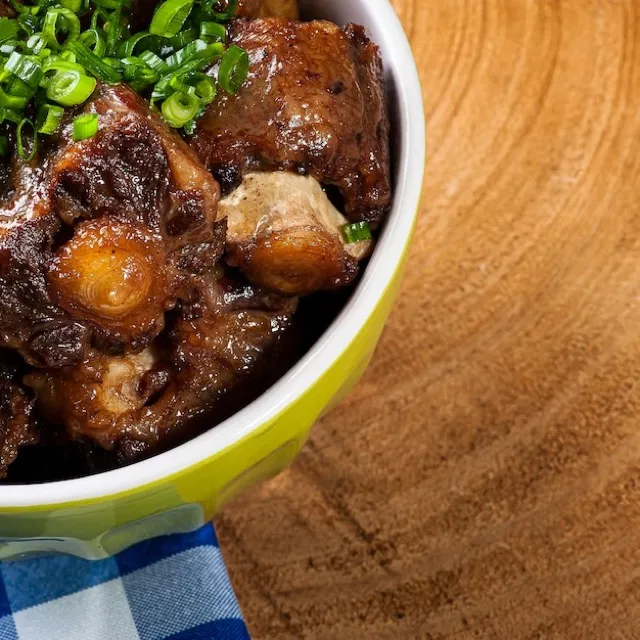
Rabo de Toro
Rabo de toro is an oxtail stew braised slowly in red wine with onions, carrots and tomato until the meat falls from the bone. It is strongly associated with Córdoba in Andalusia, where it was historically linked to the bullring and used the tails of bulls killed in the corrida.
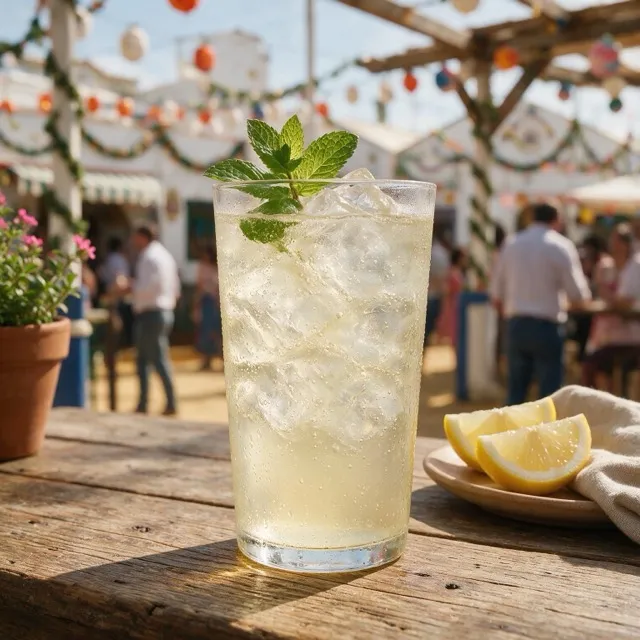
Rebujito
Rebujito is fino or manzanilla sherry lengthened with lemon-lime soda (7Up or Sprite) over ice, its name coming from 'rebujar,' to mix up. It is the archetypal drink of the great Andalusian ferias, above all the Feria de Abril in Seville and the Feria del Caballo in Jerez.
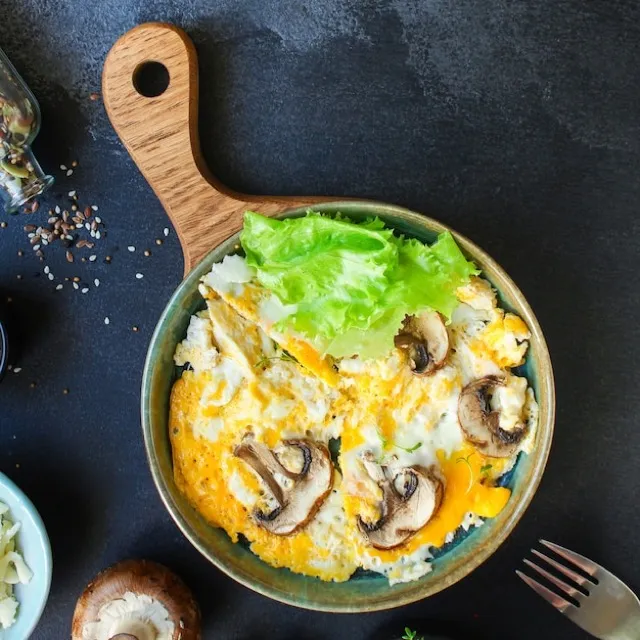
Revuelto de Setas y Gambas
A Spanish soft scramble in which eggs are gently cooked with a sautéed filling — here wild mushrooms and prawns — until creamy rather than set firm like a French omelette.
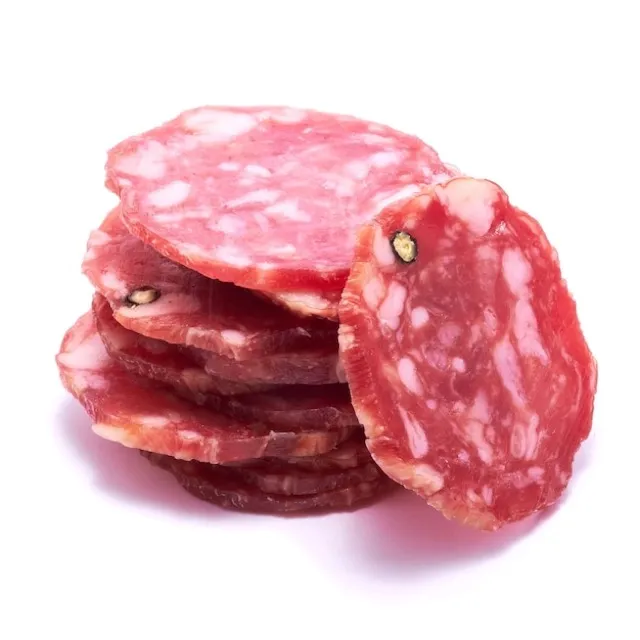
Salchichón
Salchichón is a cured pork sausage seasoned with black pepper and spices but, unlike chorizo, no paprika — giving it a pale, marbled appearance. It descends from Roman-style peppered sausages and is made across Spain, with Vic in Catalonia producing the most famous version. It is air-cured and eaten thinly sliced.
Salmorejo
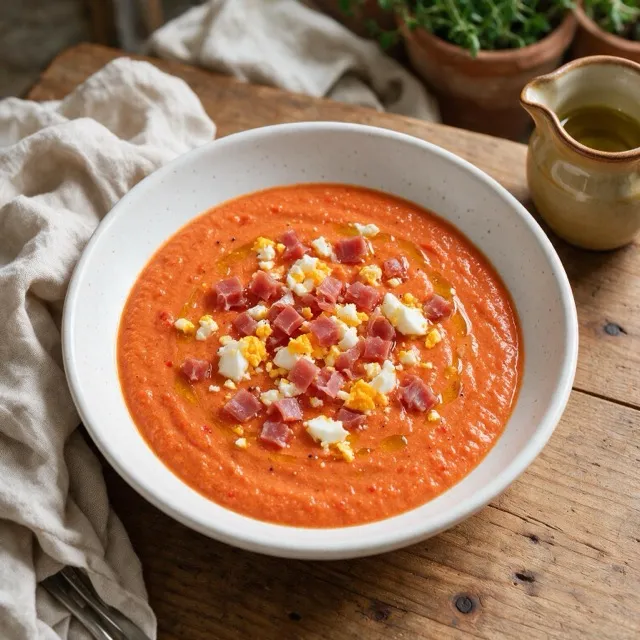
Salmorejo is Córdoba’s thicker, silkier cousin of gazpacho: tomatoes, bread, garlic and olive oil blended to a cream, topped with diced jamón and hard-boiled egg. Served cold, it is richer and more filling than gazpacho.
Salpicón de Marisco
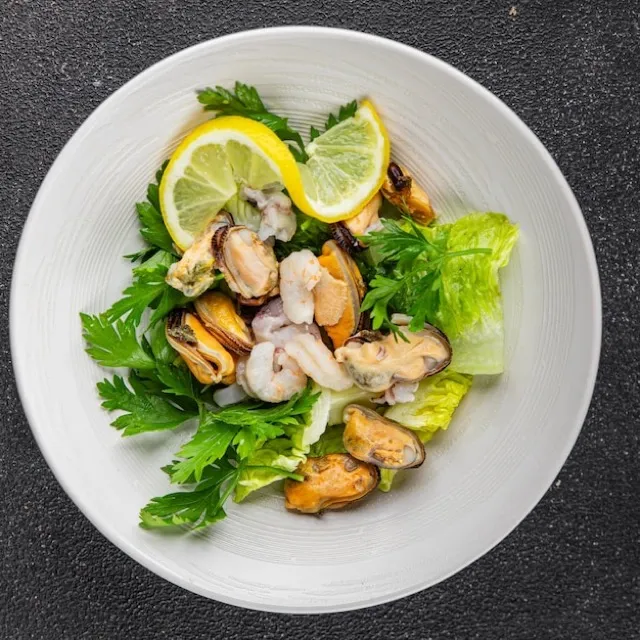
A cold seafood salad of boiled prawns, octopus, mussels and white fish tossed with finely diced onion, pepper and tomato in a sharp vinegar-and-olive-oil dressing. Rooted in Spain's Atlantic and Mediterranean coasts, it is a refreshing summer tapa built to showcase the day's shellfish. The word salpicón refers to the mix of small chopped ingredients.
Sangría
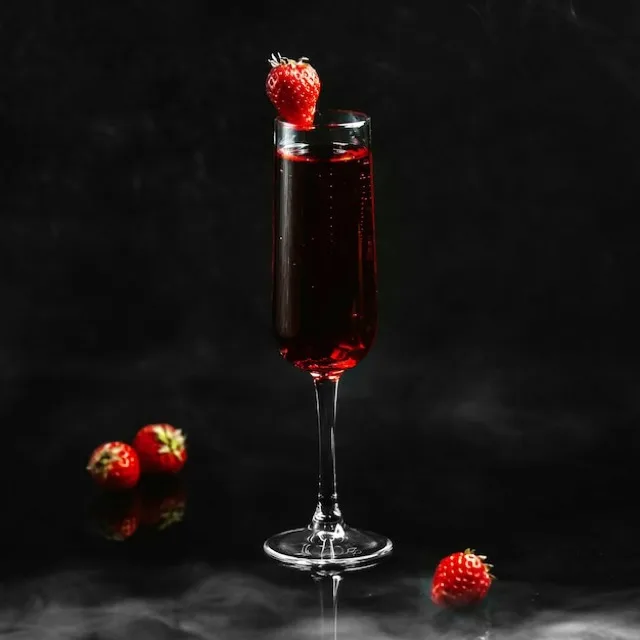
Sangría is Spain’s wine punch: red wine macerated with fruit, a touch of brandy and sweetener, served chilled over ice. Every house has its own ratio. In Spain it is casual summer drinking — the best versions use decent young Rioja and fresh citrus.
Secreto Iberico
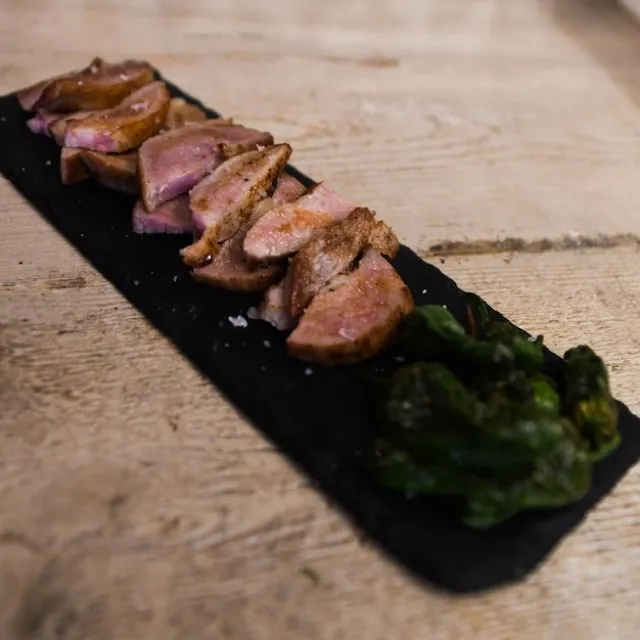
Secreto is a 'hidden' skirt-like cut from between the shoulder and belly of the Iberian pig, so called because butchers historically kept it for themselves. It comes from the acorn-fed cerdo iberico raised in the dehesa oak pastures of western Spain, and its heavy intramuscular marbling makes it a modern grill favourite.
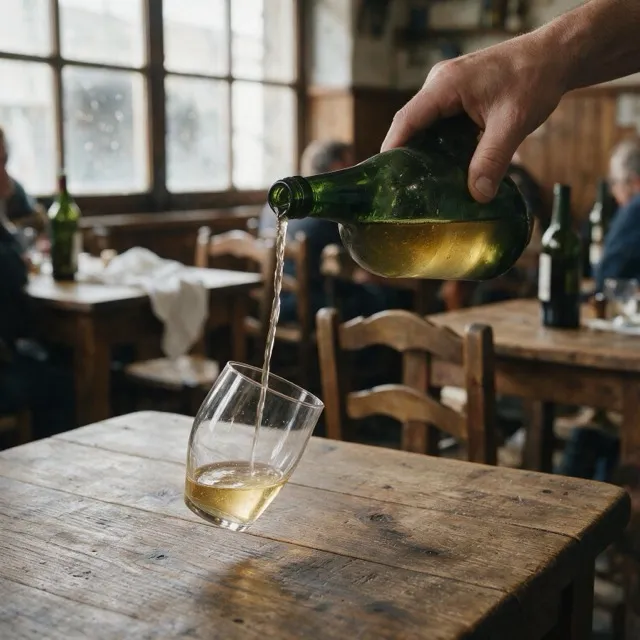
Sidra
Sidra natural is a still, dry cider fermented from local apples and is central to Asturian culture, where cider houses (sidrerías) are a way of life. It is traditionally poured from height (escanciar) to aerate the cider and release its aromas, and drunk immediately in small pours called culín.
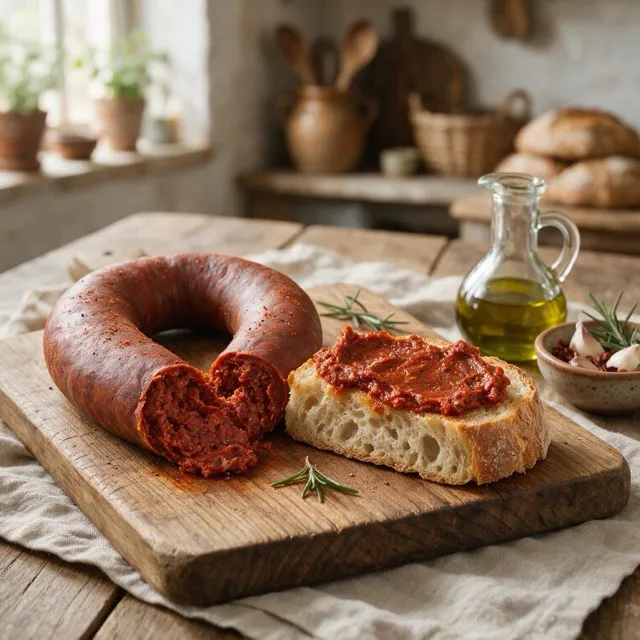
Sobrasada
Sobrasada is a soft, spreadable cured sausage from Mallorca, made from ground pork blended with pimentón, salt and spices and slowly cured. It grew from the island's need to preserve pork, and the addition of paprika after the spice reached Spain gave it its red colour and keeping quality. Sobrasada de Mallorca holds an IGP.
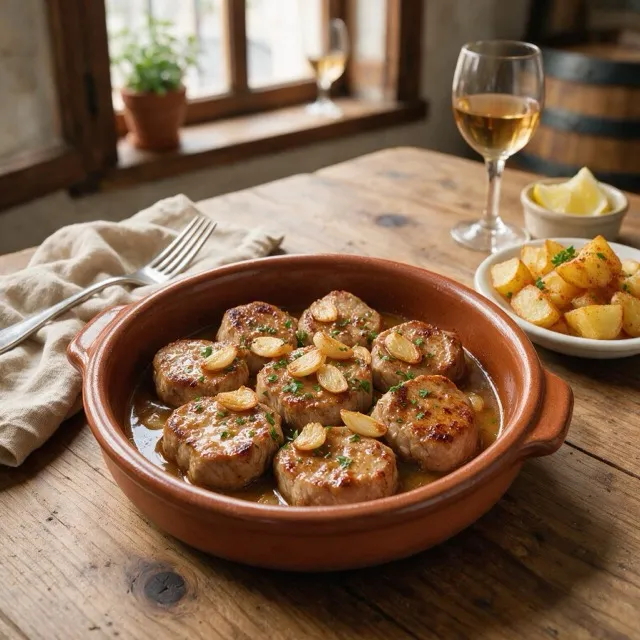
Solomillo al Whisky
Solomillo al whisky is medallions of pork tenderloin fried and simmered in a garlicky sauce of whisky, lemon, olive oil and stock. It emerged in Seville's tapas bars around the 1960s-70s, reputedly when a cook substituted whisky for a French brandy sauce.
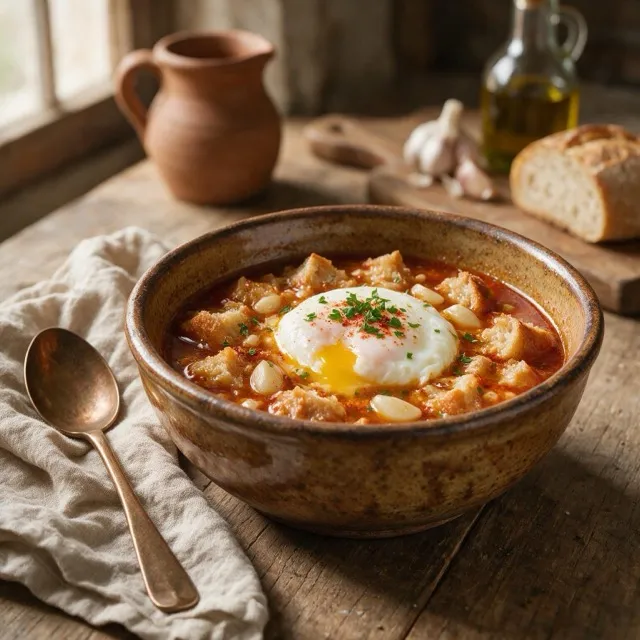
Sopa de Ajo
Sopa de ajo is Castile’s garlic soup: stale bread revived in a garlicky paprika broth, often finished with a poached egg. Humble shepherd food that tastes like warmth itself — the dish Castilian winters are made of.
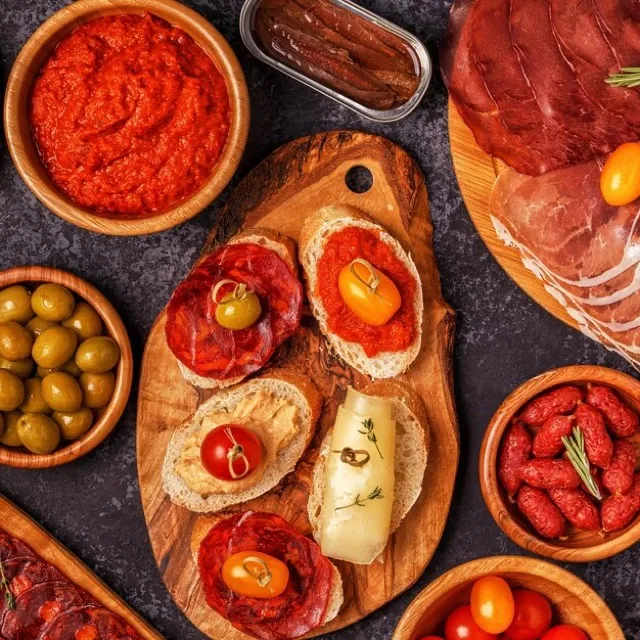
Tapas
Tapas are small Spanish plates served with drinks, meant for sharing and bar-hopping. They range from simple olives and jamón to elaborate miniature dishes. The culture around them — standing at the bar, ordering one plate per stop — is as important as the food itself.
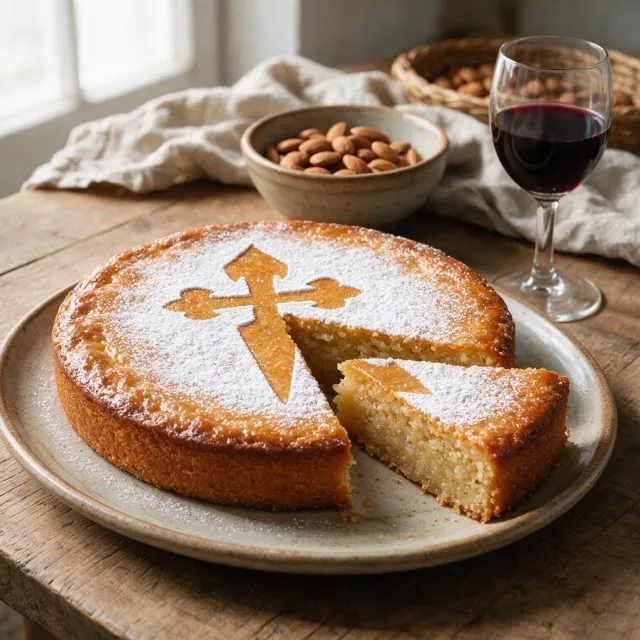
Tarta de Santiago
A dense flourless almond cake from Galicia, its recipe documented since at least the 19th century though almond confections in the region date to the Middle Ages. It is dusted with icing sugar stencilled around the cross of the Order of Santiago, tying it to the pilgrimage city of Santiago de Compostela.
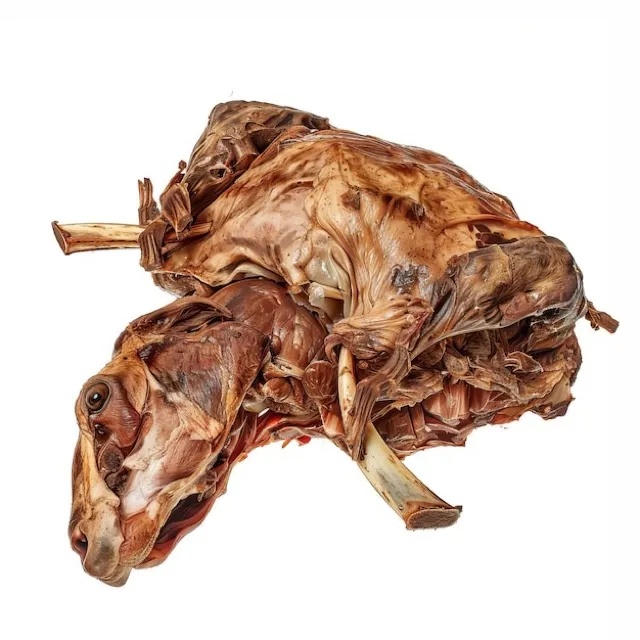
Ternasco de Aragon
Ternasco is young lamb from native Aragonese breeds, slaughtered at around 70-90 days and 8-12.5kg, traditionally roasted slowly with white wine, garlic and potatoes. Its consumption traces to medieval Aragonese shepherding in the region's mountains and valleys.
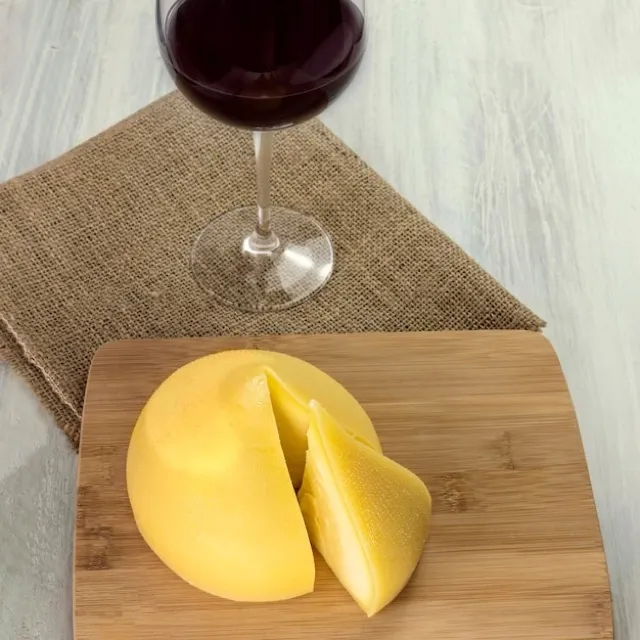
Tetilla
Tetilla is a soft cow's-milk cheese from Galicia, instantly recognisable by its breast-like conical shape that gives it its name. Made from local cow's milk, it is mild, creamy and lightly tangy, aged only a few weeks. It holds a DOP as Queixo Tetilla.
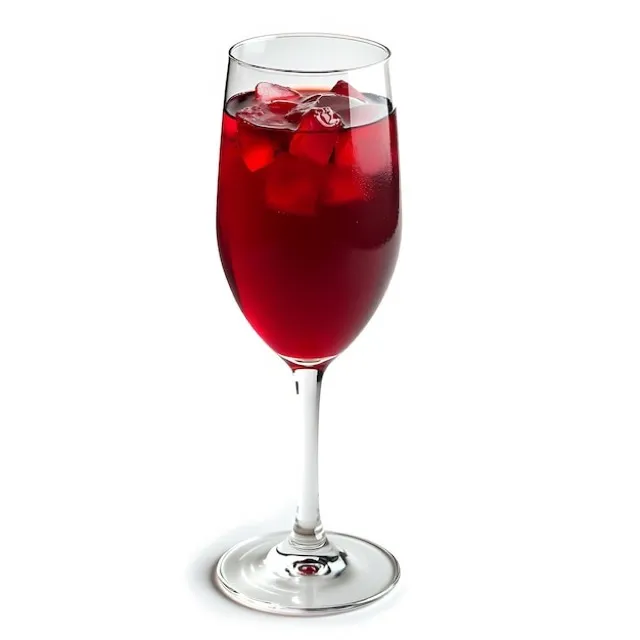
Tinto de Verano
Literally 'red wine of summer,' tinto de verano was popularized in the early 20th century around Córdoba, reputedly at the Venta de Vargas, where cheap red wine was cut with fizzy gaseosa to make an easy, refreshing cooler.
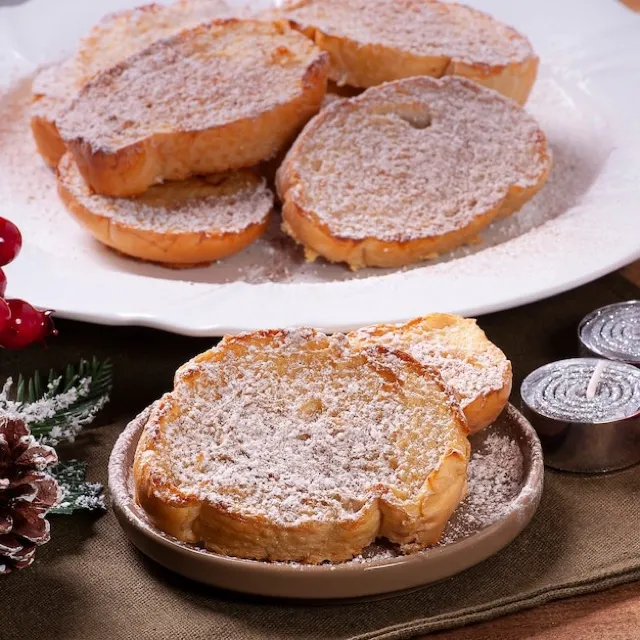
Torrijas
Torrijas are Spain’s Easter answer to French toast: stale bread soaked in milk or wine, egg-coated and fried, then rolled in cinnamon sugar or drizzled with honey. A Semana Santa staple that bakeries now sell year-round.
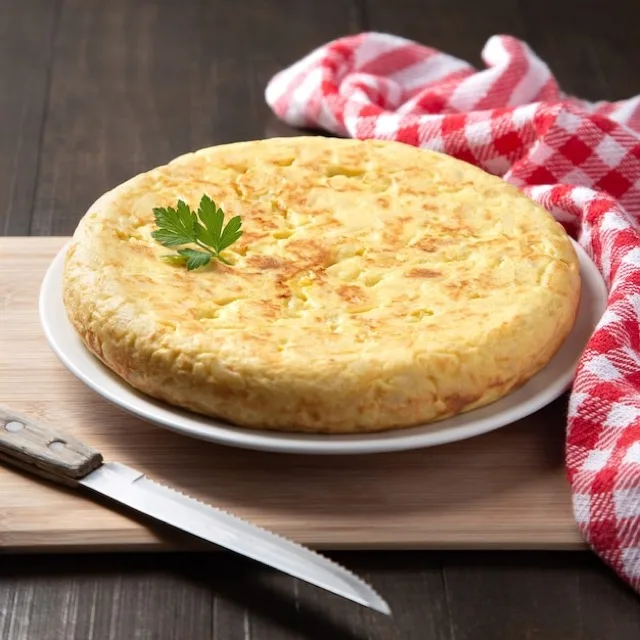
Tortilla Española
Tortilla española is Spain’s thick potato omelette: slow-cooked potatoes (and often onion) bound in egg and set in a pan until golden outside and just-set inside. Served warm or at room temperature, in wedges or as a bar bite, it is the country’s most universal dish.
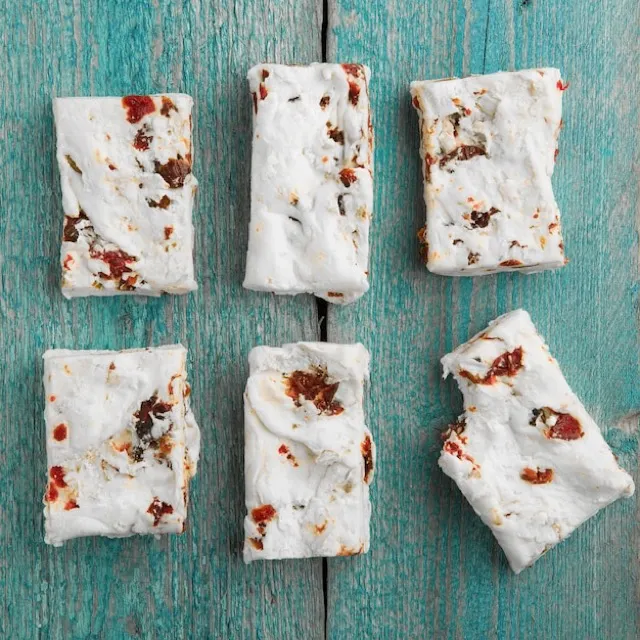
Turrón de Alicante
A hard almond-and-honey nougat studded with whole toasted almonds and bound with egg white, produced for centuries around Jijona and Alicante in the Valencian Community, with references dating to the 16th century. Its Arab-influenced technique of cooking honey with nuts made it a luxury Christmas sweet.
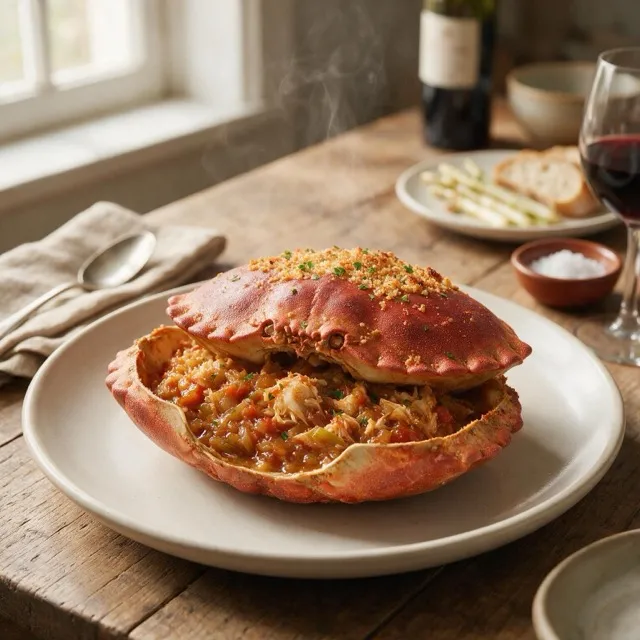
Txangurro a la Donostiarra
Txangurro is Basque spider crab, and this baked, stuffed preparation was created in early-20th-century San Sebastian (Donostia), reportedly inspired by French lobster a l'armoricaine. The crab meat is cooked with onion, tomato, brandy and leek, returned to the shell, topped with breadcrumbs and gratinated. It is a festive centerpiece of Basque holiday tables.
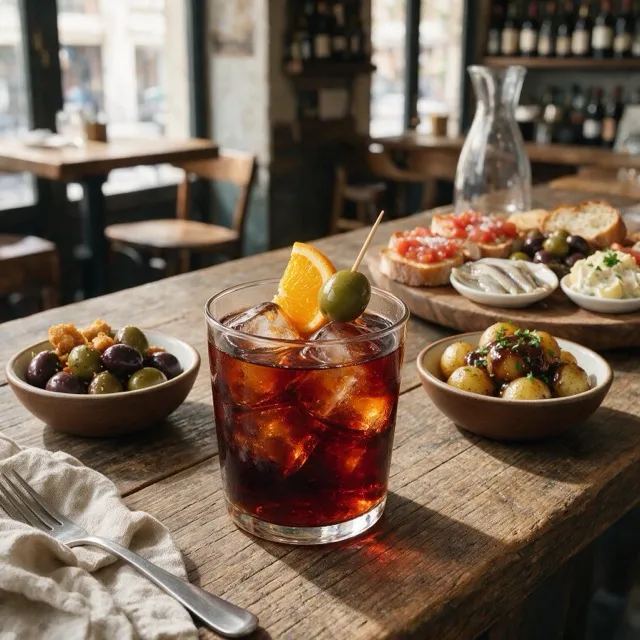
Vermut
Vermut is aromatized, fortified wine flavored with wormwood and a blend of botanicals, adopted in Spain in the 19th century with Reus in Catalonia as its historic production capital. The weekend ritual of 'hacer el vermut' (the pre-lunch vermouth hour, with olives and tapas) became a fixture of Spanish social life.
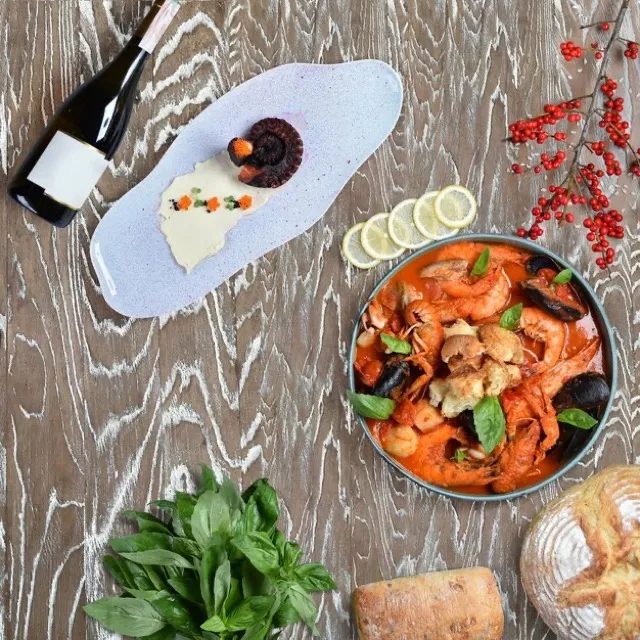
Zarzuela de Mariscos
This lavish Catalan seafood stew is named after the zarzuela, a Spanish musical-theatre form, because of its colorful medley of ingredients. It combines fish, prawns, mussels, clams and squid in a tomato, garlic and wine broth, often finished with a picada of almonds and saffron.