Jerez de la Frontera, in the province of Cádiz, is the town that gave sherry its English name. Its traditional drinking places are the tabancos: plain taverns where the wine comes out of a barrel behind the bar and the food is whatever goes well with a cold glass of fino. They're a small, local institution, and some Spanish bars abroad name them as an influence.
What a tabanco is
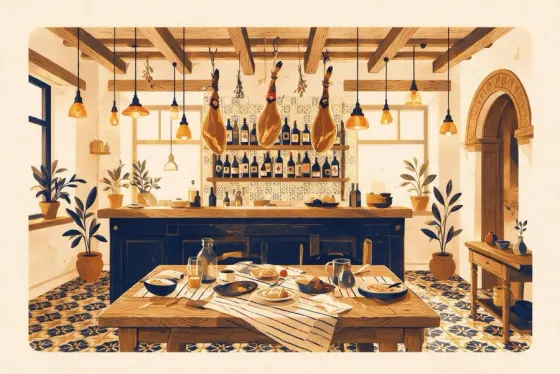
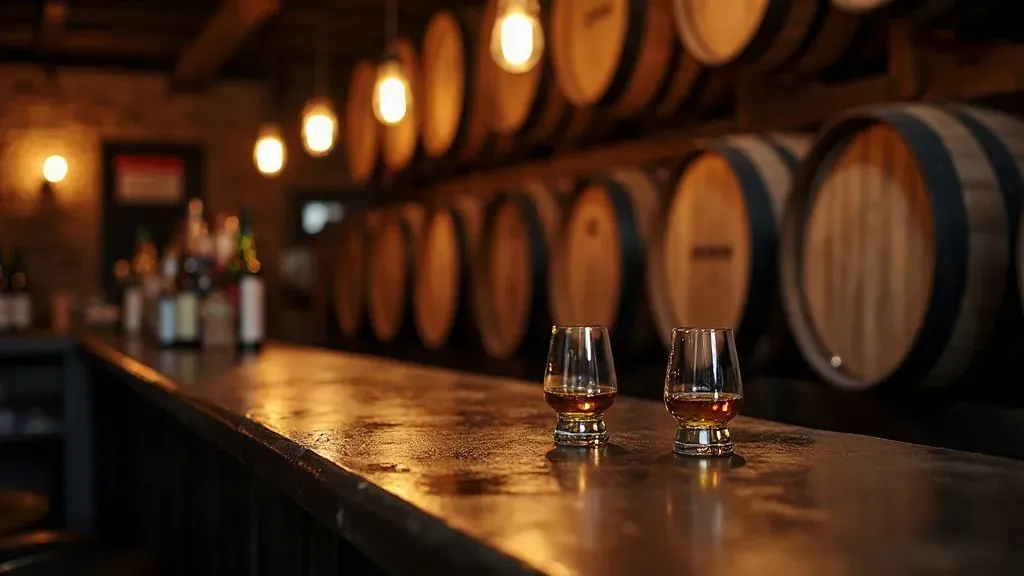
A tabanco started out as a shop that sold wine a granel, in bulk. Customers came in with their own bottles or jugs to fill from the casks, and some stayed to drink a glass at the counter. Over time the drinking side took over, but many tabancos kept the look of a wine shop: barrels stacked behind the bar, a long counter, a few tables, not much decoration.
The wine is sherry, and mostly the local styles. Several tabancos fell out of use during the twentieth century. In recent years some have reopened or been revived. Some also hold flamenco sessions, which fits a town with a strong flamenco tradition. Our piece on flamenco and food covers how that crosses over into restaurants.
How to order in one
Ask for the style, not a brand. The barrels behind the bar usually hold the main types:
- Fino: pale, dry and light, aged under a layer of yeast called flor. Served cold.
- Manzanilla: the same kind of wine, but aged in Sanlúcar de Barrameda, on the coast.
- Amontillado: starts as a fino, then ages further without the flor, so it turns amber and nutty while staying dry.
- Oloroso: aged without flor from the start; darker, fuller and still dry.
- Pedro Ximénez: made from sun-dried grapes, very dark and very sweet.
Our guides to fino and manzanilla and to amontillado, oloroso and Pedro Ximénez go through each style in more detail, and Sherry 101 covers the basics of how sherry is made.
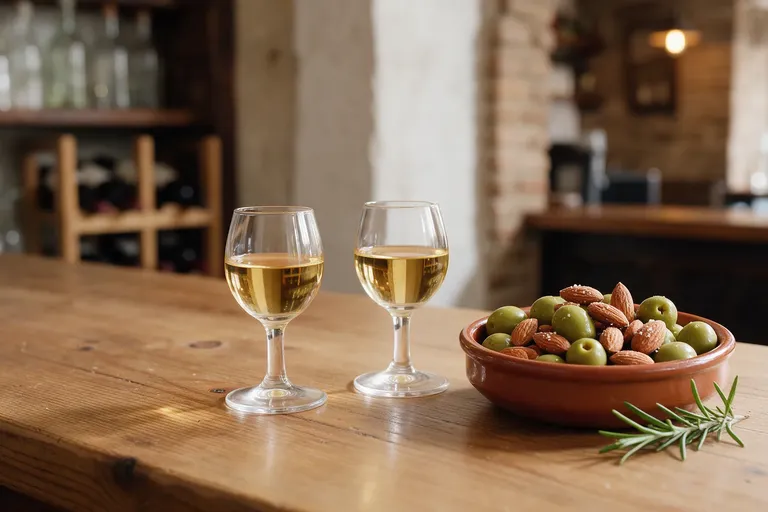
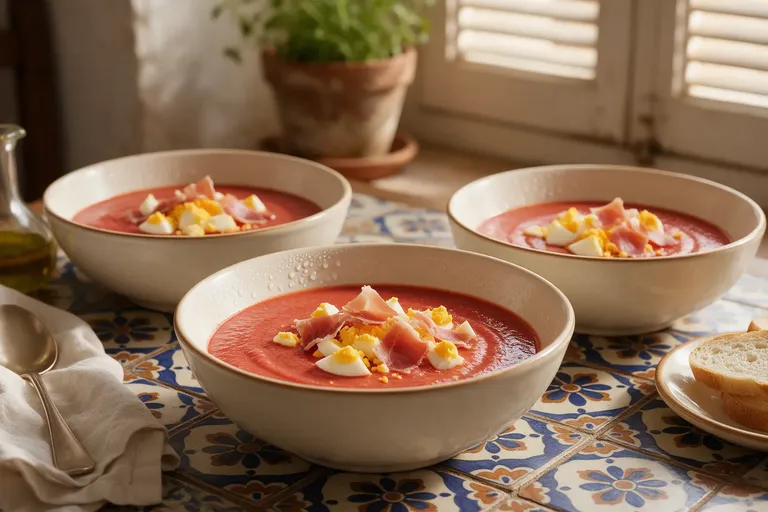
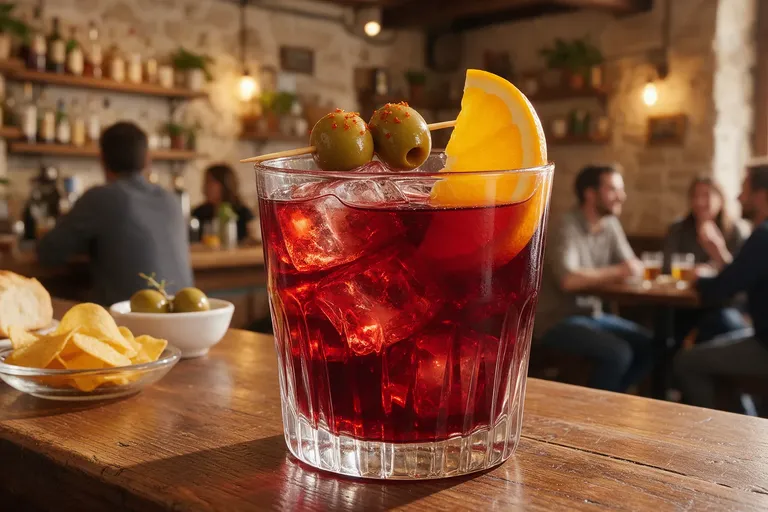
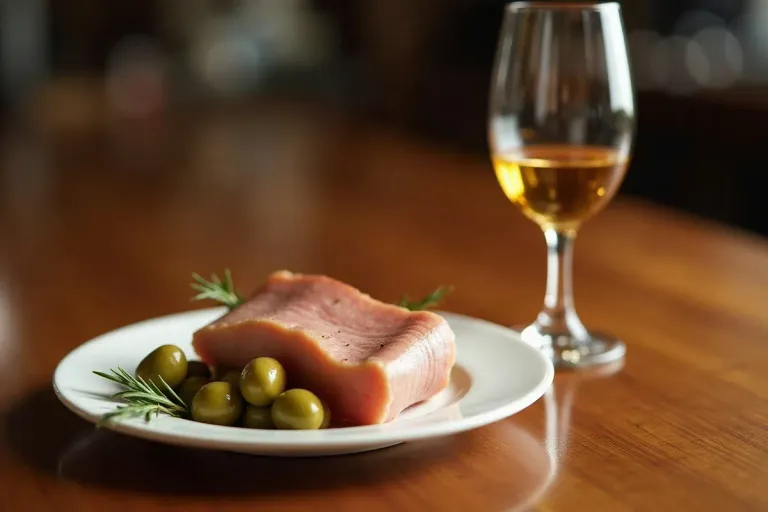
Food in a tabanco is usually simple: cured meats, cheese, olives, chicharrones (cooked pork belly, common across Cádiz province) and other small plates that go with dry sherry. It's a place for a glass or two and a snack rather than a long meal. In some tabancos the staff still keep your tab in chalk on the counter.
Why the idea travels
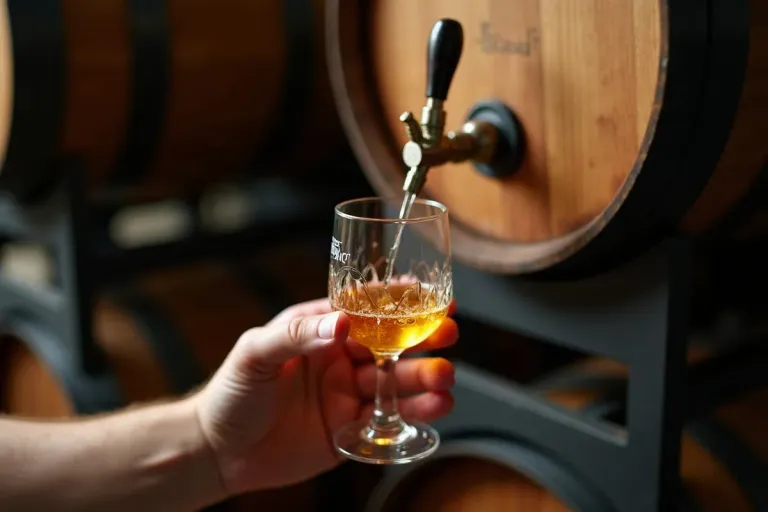
A tabanco is cheap to imitate in spirit: a bar counter, sherry by the glass, and food that doesn't need a full kitchen. What is harder to copy abroad is the barrel. Most bars outside Spain pour sherry from bottles, so when one serves it on tap, that's worth noticing.
Where to find the feel abroad
These restaurants in our directory mention sherry, or Jerez itself, in their own records:
- Andanza Tapas y Pintxos, London (Bermondsey): its record says the aim was to bring the energy of San Sebastián's pintxo bars and the atmosphere of the tabancos of Jerez to London, with a drinks list of sherry, vermouths and wines, all Spanish. We wrote about it in our Andanza spotlight.
- Morito Hackney, London: its listing describes a marble bar and sherry imported in kegs and served on tap.
- MoVida Next Door, Melbourne: its record calls it an Andalusian bar serving sherry, with ice-cold fino and manzanillas, and says you can easily imagine you're in a bar in Jerez.
- Mama Delia, Chicago (Wicker Park): its record describes it as a restaurant, sherry bar and ultramarino, a neighbourhood gourmet shop.
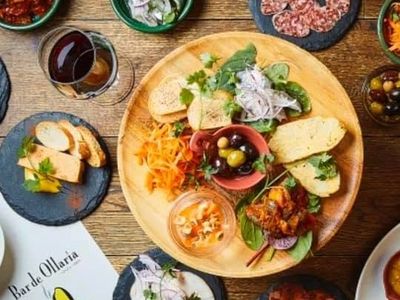
- Bar de Ollaría, Tokyo (Ebisu): a tapas and ollas bar whose record notes a large selection of sherry.
Mama Delia's mix of bar and shop is close to where tabancos started. If you want to try the dry styles side by side, ask for a fino and a manzanilla and compare them before you order food.