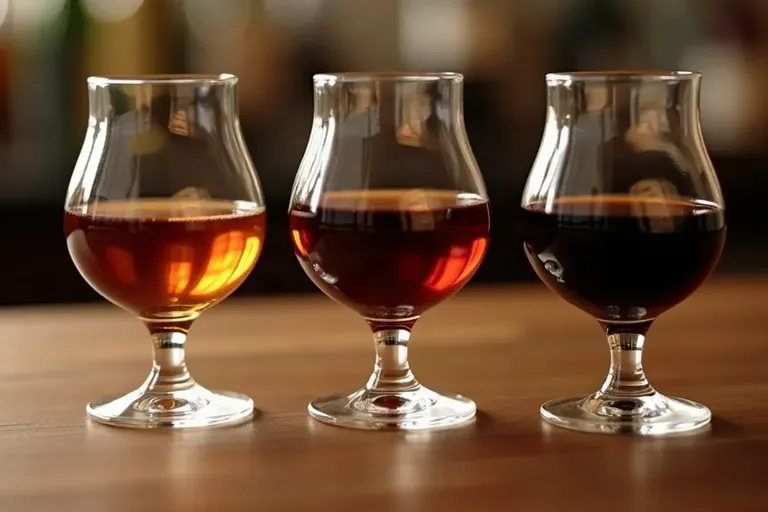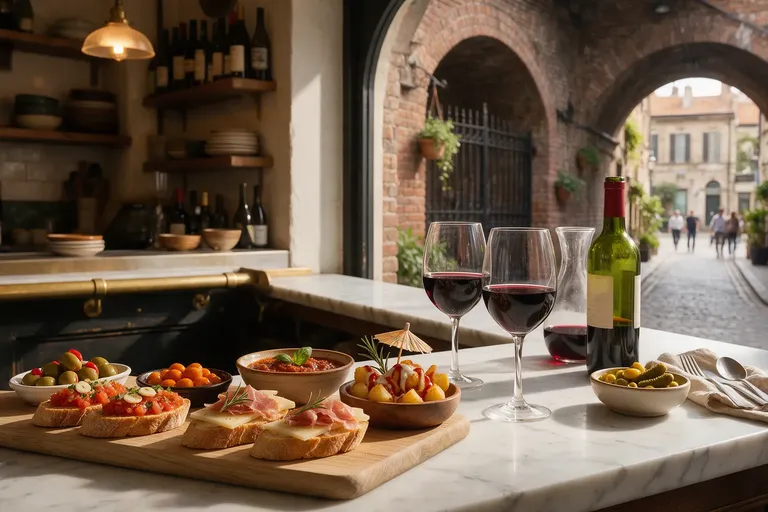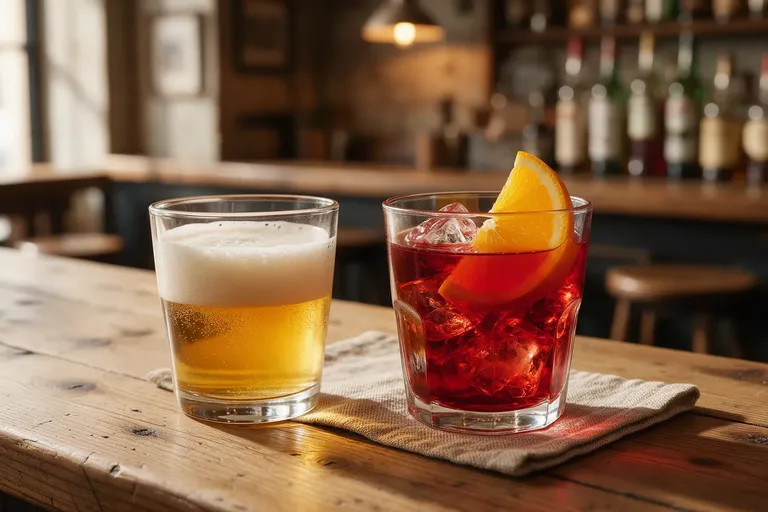
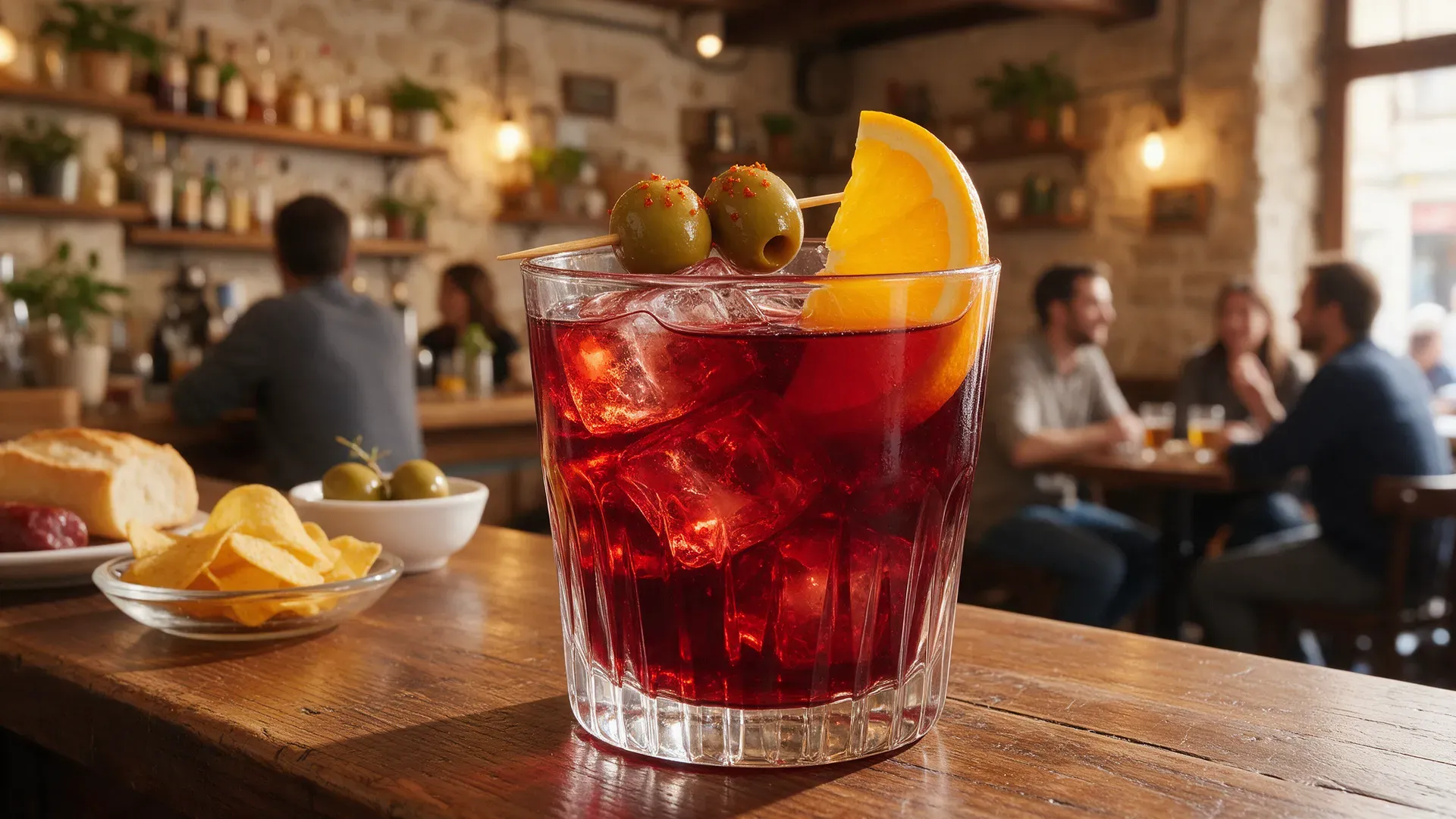
Walk into a bar in Madrid or Barcelona on a Sunday around noon and you'll see it: tables filling up not with coffee, but with small glasses of red, slightly bitter wine, a dish of olives on the side, and nobody in a hurry. That's la hora del vermut (the vermouth hour), and it has its own rules, separate from an evening drink or an after-work beer.
What makes it a ritual, not just a drink
Vermouth itself is simple: a fortified, aromatized wine, flavoured with a mix of botanicals that varies by producer. Wormwood is the ingredient that gives vermouth its name, from the German Wermut, alongside citrus peel, herbs and sometimes caramel for colour and sweetness. Spain didn't invent vermouth (that credit goes to Italy, and separately to France), but it built a specific midday social occasion around drinking it that isn't part of the drink's story in either of those two countries.
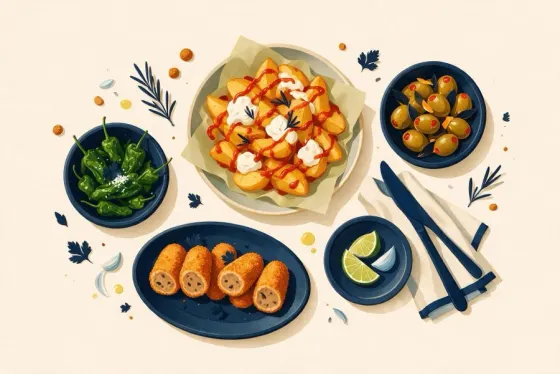
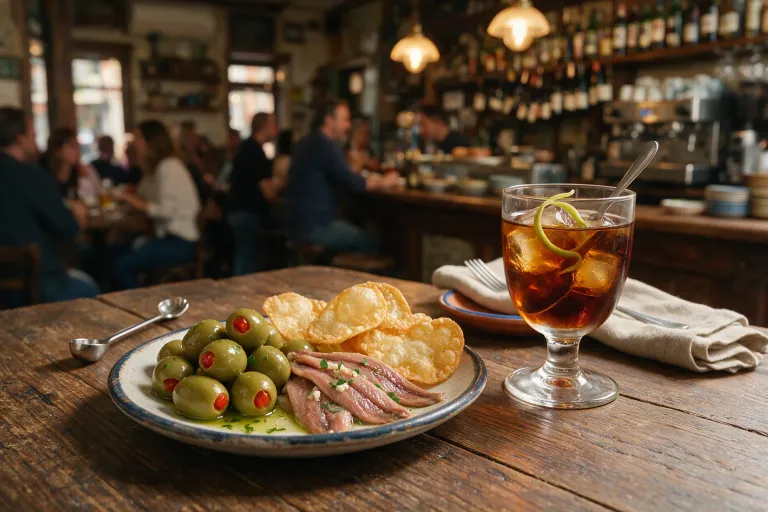
The timing is the first rule: vermouth hour sits in the late morning to early afternoon, roughly 12 to 2pm, as a prelude to lunch rather than a substitute for it. It's a drink meant to sharpen the appetite, not dull it, which is why it's almost always served with something small to eat: a few olives, a tin of mussels in escabeche, a handful of patatas bravas, maybe boquerones. Vermouth with nothing on the table is considered a little incomplete.
Vermut de grifo: the tap pour
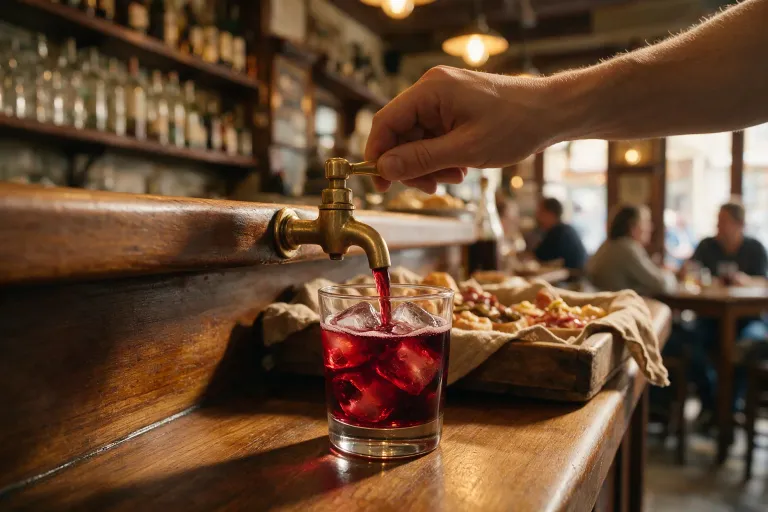
The detail that distinguishes Spain's version is vermut de grifo: vermouth served on tap, straight from a barrel or a tapped tank behind the bar, the same way a bar pulls a beer. It's poured over ice with a slice of orange, sometimes a splash of soda, and often finished with a single olive dropped in on a cocktail stick rather than placed on the side. Old-fashioned bodegas across Spain, particularly in Catalonia and Madrid, kept their own house vermouth on tap for decades, often made in-house or sourced from a small regional producer rather than a mass-market brand.
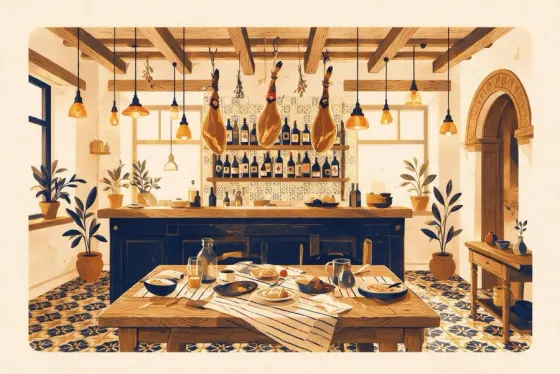
That tap-pour style became much less common through the 1980s and 90s, as spirits and imported drinks took over bar menus and vermouth came to be seen as something older generations drank. What's generally credited with bringing it back, starting in the 2000s and picking up through the 2010s, is a wave of restored and newly opened bodegas and vermuterías leaning into that old-school presentation: tiled walls, barrels on the back wall, a short list of tapas built to go with a glass of vermut and nothing more.
Where to find vermut hour outside Spain
The ritual travels well because it needs so little: a bar, a bottle or tap of vermouth, ice, and a short snack menu. A handful of restaurants in our own directory put vermouth itself front and centre, by name or on the drinks list, rather than treating it as an afterthought on the wine list.
- Vermut KL in Kuala Lumpur takes its name directly from the drink, and its own listing describes a menu built around classic tapas, wines and vermouth for casual, unhurried gatherings.
- La Malifeta Vermutería on Bangkok's Song Wat Road is a 25-seat Barcelona-style vermutería by name, serving croquetas and pincho de pulpo alongside what its own listing calls "proper vermut hour."
- Andanza Tapas y Pintxos in London's Bermondsey built its drinks list specifically around sherry, vermouths and Spanish wines, drawing on the tabancos of Jerez as much as the pintxo bars of San Sebastián.
- La Barceloneta in Reykjavík, about as far from the Mediterranean as this gets, lists vermouth alongside paella and tapas as part of its core menu.
A Turin import, a Spanish habit
Vermouth itself didn't originate in Spain. The modern style traces to Turin, Italy, in the 1780s, credited to Antonio Benedetto Carpano, with a separate French tradition developing later around Chambéry. Spain's contribution was the drink's social occasion, not the drink itself. Most vermut served at the Spanish hour is vermut rojo (red, slightly sweeter and more herbal), though a white version, vermut blanco, also turns up on some bar lists for anyone who wants something lighter before lunch.
Ordering it right
If a bar lists vermut de grifo, ask for that over a bottled brand: it's a sign the place takes the ritual seriously rather than treating vermouth as a shelf item. Order it the way it's meant to be drunk, before food properly starts, with something small on the side, without rushing to the next round. The point of the hour is that there isn't anywhere else to be yet.