Opening a restaurant in London in late 2020 was not a sensible thing to do. Andanza did it anyway, on Weston Street in Bermondsey, in a unit that had been a bookmakers shop until the national lockdown emptied it. The name fits: andanza means fortune, fate or journey, which is roughly what signing a lease that year amounted to.
The bar is still there, on a quiet back street, doing something more specific than "Spanish restaurant".
Two Spanish bars in one room
Most tapas bars abroad borrow from one idea of Spain. Andanza borrows from two, and they come from opposite ends of the country.
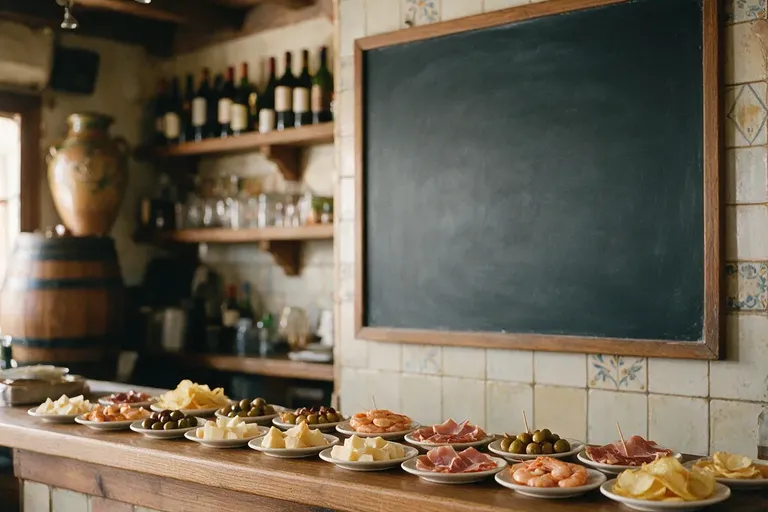
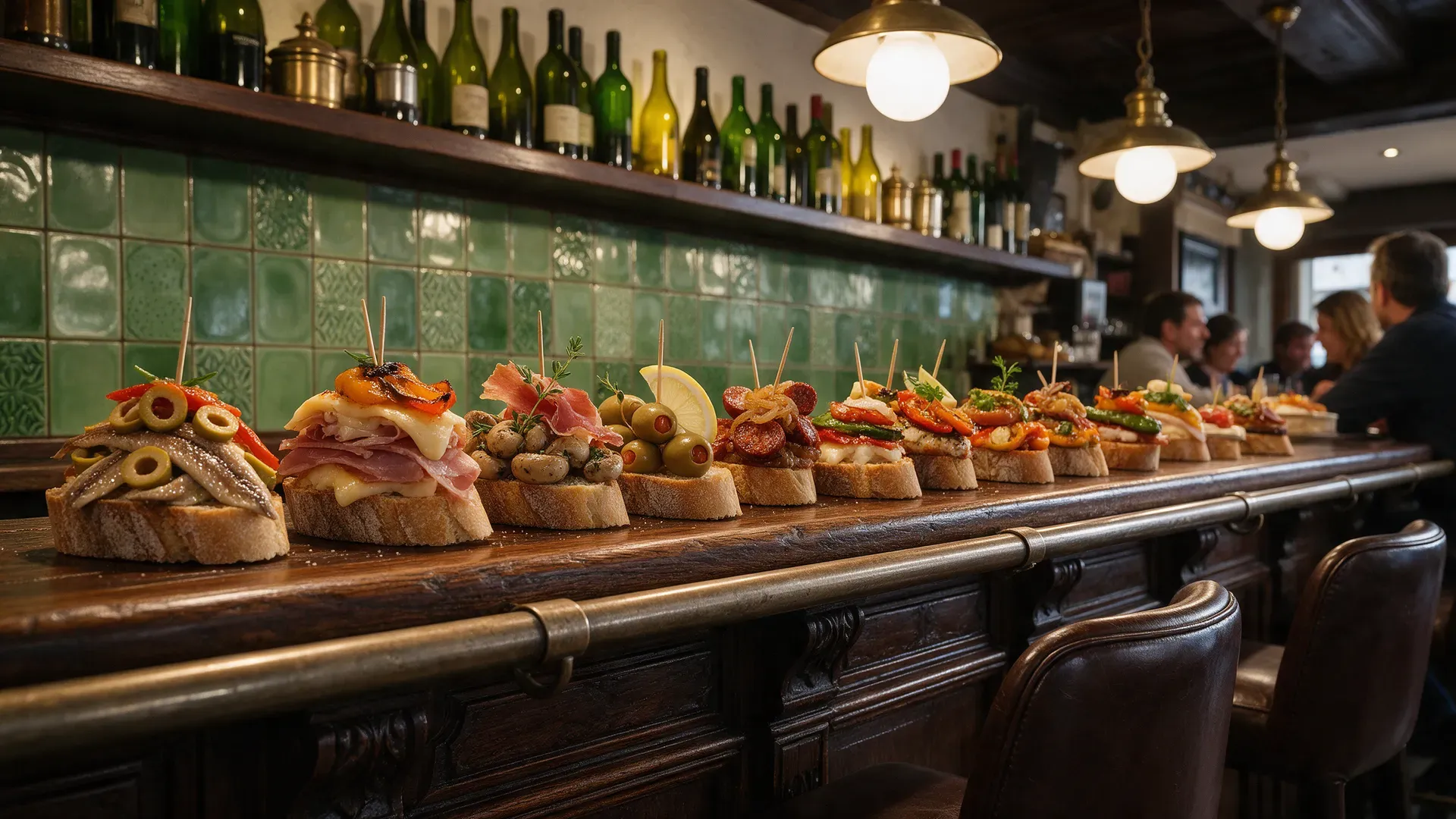
The first is the pintxo bar of San Sebastian. In the Basque Country the counter is the menu: small constructions on bread or on a skewer, laid out in rows, eaten standing, two or three at a time before you move on to the next bar. The pace is the point. Nobody sits down for four hours.
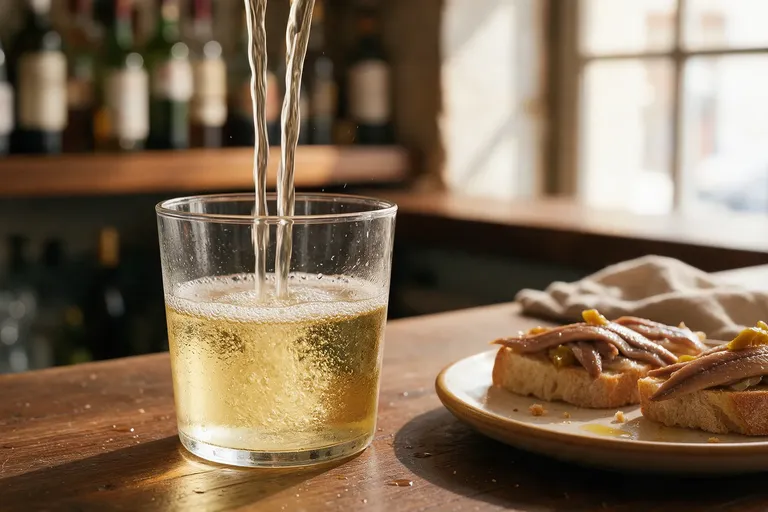
The second is the tabanco of Jerez, at the other corner of the map. A tabanco began as a shop that sold sherry straight from the cask, and the ones that survived turned into bars: sherry by the glass, a plate of something salty, often a guitar in the corner. Andanza took the sociability of that format and the rhythm of the Basque one.
The food, and where it comes from
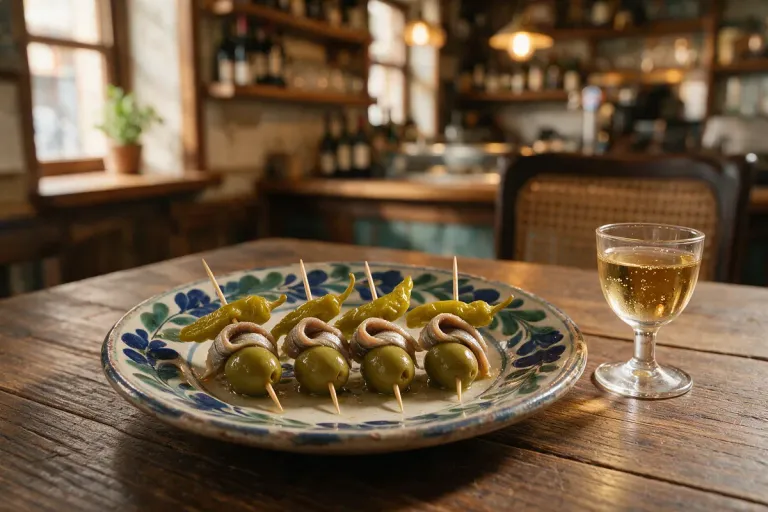
The kitchen works seasonally across tapas and pintxos, with three regional pulls: Basque, Galician and Andalusian. Those three cover a lot of ground — cured fish and vinegar on a stick in the north, octopus and the Atlantic in the northwest, fried things and chilled soups in the south.
The menus lean on ingredients that carry Spanish protected-origin status. That matters more than it sounds. A protected designation is a legal boundary around a name: which area it can come from, which breed or variety, how long it was aged. It is the difference between a cheese called manchego and a cheese made from La Mancha sheep's milk to the rules of the manchego council.
Everything in the glass is Spanish
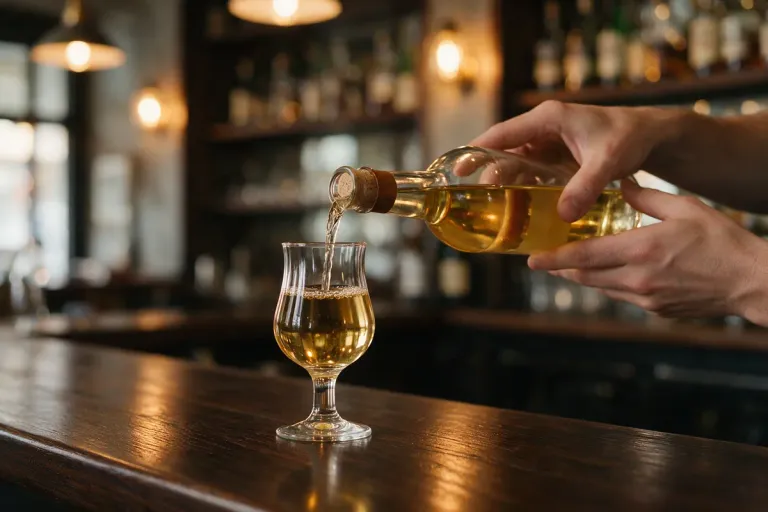
The drinks list is the clearest statement of intent in the place: sherry, vermouth and wine, all Spanish in origin, with nothing else smuggled in to keep the nervous happy. No house Italian red, no token New Zealand sauvignon.
That is a harder sell in London than it looks, and it is also the whole argument. Sherry alone runs from bone-dry fino through amontillado and oloroso to sweet PX, which is a wider range than most full wine lists manage. Vermut does the pre-lunch job that a gin and tonic does badly.
The room
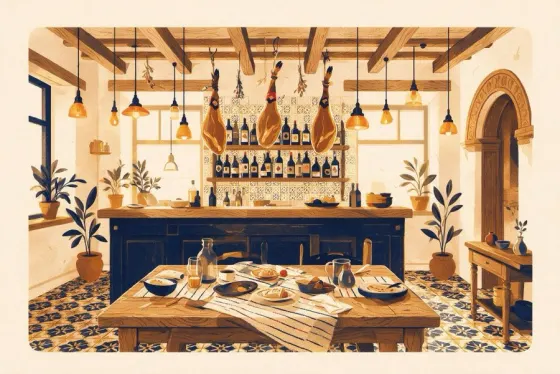
The fit-out is where the betting shop disappeared. There is a hand-carved oak bar, green tiles, stool seating and a set of ecclesiastical doors — a nod to the old tiled taverns of Seville and Madrid.
Then there is the other half of the decor, which undercuts all of that: a matador pig print, and a television playing Spanish game shows from the 1980s. A television left on in the corner is a normal feature of a Spanish bar, and very few restaurants abroad are willing to copy that part.
If you are in London
Andanza is at 66 Weston Street, SE1 3QY, a short walk south of London Bridge. Three other London bars on the directory are worth knowing about if you want to compare formats:
- Pintxito takes the Basque Country as its starting point too, serving pintxos alongside a seasonally changing tapas menu. Small room, by its own description.
- Bar Esteban opened in 2013 and was founded by a record producer and sherry enthusiast alongside a Barcelona-trained chef, so the sherry list is not an afterthought.
- Lobos in Borough was started by four cooks who had worked together in a London tapas restaurant, which is about as close to Andanza's postcode as you can get.
The full picture is in our guide to Spanish restaurants in London, and every London listing sits on the London page.