Spain is the world's largest producer of olive oil, and most of it comes from Andalusia, where the province of Jaén alone is covered in olive groves. Yet a lot of Spanish oil has long been sold in bulk and bottled under other countries' brands. Knowing a few olive varieties and label terms helps you find the good bottles.
The main Spanish olive varieties
Spain grows many olive varieties. Three you will often see named on bottles:
- Picual. The most planted variety in Spain and the backbone of Jaén. Picual oils tend to be green, grassy, bitter and peppery, and they keep well.
- Arbequina. Originally from Catalonia and now planted widely, in Spain and abroad. The oil is usually mild, fruity and sweet, with little bitterness, which makes it an easy first bottle.
- Hojiblanca. Grown mainly around Córdoba, Seville and Málaga, and used both for oil and as a table olive. Its oils vary a lot with harvest time.
Other varieties to look for include Cornicabra from Castilla-La Mancha and Empeltre from Aragón and Mallorca. A bitter, peppery catch at the back of the throat is not a flaw. In official tasting, bitterness and pungency count as positive attributes of fresh oil.
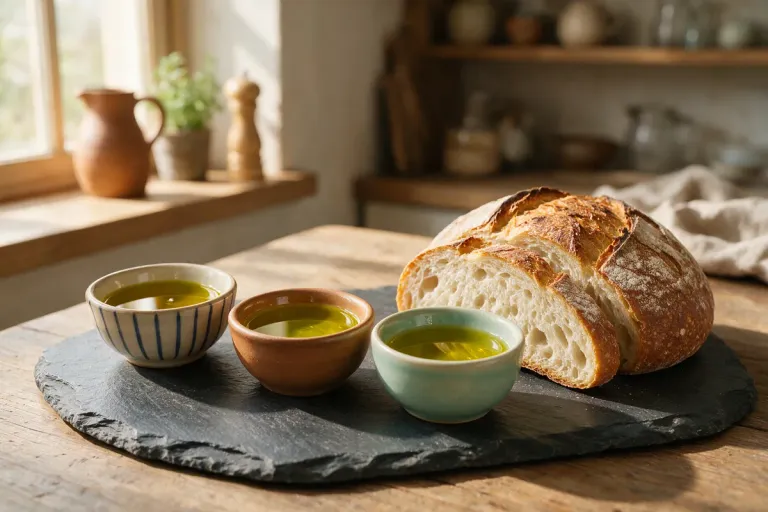
Reading the grade on the label
EU rules set the grades you see on Spanish bottles:
- Aceite de oliva virgen extra (extra virgin): mechanically extracted, free acidity of 0.8% or less, and a tasting panel must find some fruitiness and no defects. Other chemical limits apply too.
- Aceite de oliva virgen (virgin): up to 2% acidity and minor defects allowed.
- Aceite de oliva (plain "olive oil"): a blend of refined olive oil with some virgin oil. Milder and cheaper, fine for high-heat frying.
- Aceite de orujo de oliva (olive-pomace oil): a blend of refined pomace oil, extracted from the leftover pulp and stones (usually with solvents), and some virgin olive oil. Not the same product.
DOPs and other clues
Spain has a long list of olive oil DOPs (protected designations of origin), each with its own rules on area and varieties. Some you may see abroad: Sierra de Segura and Sierra Mágina in Jaén, Priego de Córdoba and Baena in Córdoba, Estepa in Seville, and Siurana and Les Garrigues in Catalonia. A DOP seal tells you where the olives came from. It does not replace freshness.
A few practical rules:
- Look for a harvest date or campaign (campaña), not only a best-before date. Olive oil is at its best in the year or so after harvest.
- Buy dark glass or tins. Light and heat are what spoil oil, so keep the bottle away from the stove.
- Early-harvest oils (cosecha temprana) are greener and more intense, and often cost more.
- "Packed in Spain" is not the same as "produced in Spain". Check the origin line.
How Spain uses it
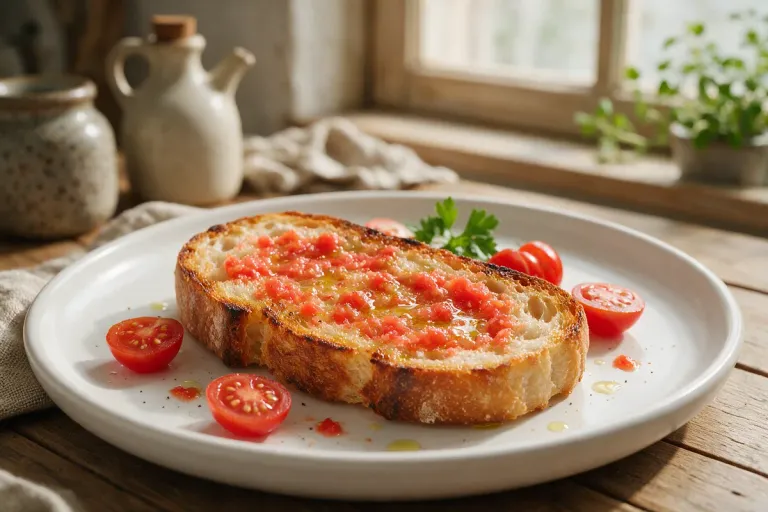
In Spanish cooking, olive oil is the default fat. It goes raw onto pan con tomate and into gazpacho and salmorejo, and it is used for frying at home and in bars, from patatas bravas to boquerones. Many cooks keep a cheaper oil for frying and a good extra virgin for finishing.
Where to try it
These venues in our directory mention Spanish olive oil in their own descriptions:
- Lokanta Proeflokaal, Rotterdam: works almost exclusively with products from Spain, from wines and cheeses to olive oil.
- Tapas Barcelona, Gdynia: started out importing Spanish wine, and lists its Manchego, olive oil and Serrano ham as highlights.
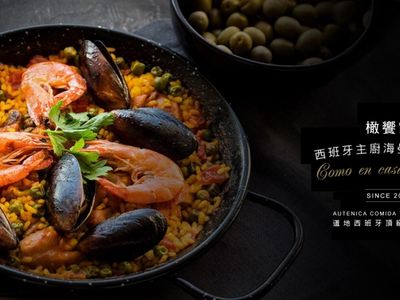
- Como en Casa Gourmet, Tainan: began in 2014 importing Spanish products such as wine and olive oil, then opened a restaurant to show how they are used.
- Barcelona Wine Bar Philadelphia, East Passyunk Avenue: combines local produce with Spanish olive oil, vinegars, pimentón, piquillos and cheeses.