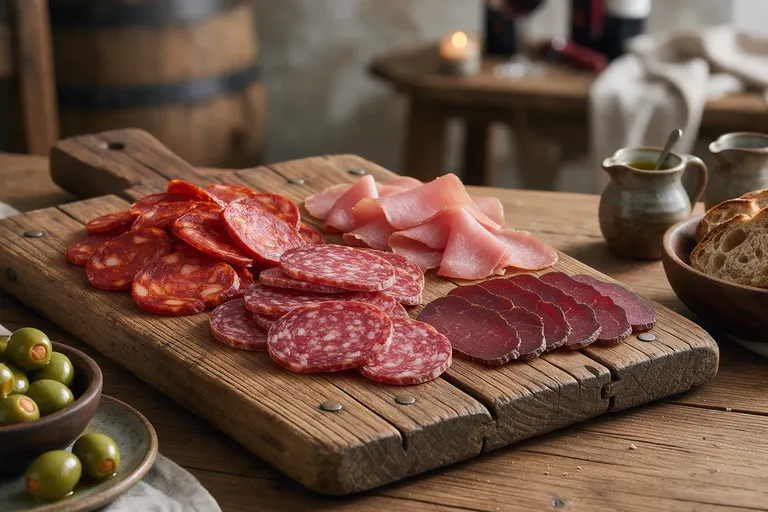
On many Spanish menus there is a line that starts with tabla. It means board, and it is the easiest way to start a meal for a group: sliced ham, cured sausage and cheese, put in the middle of the table while you decide on the rest. The words around it tell you what you will get, and a few questions to the waiter make sure you get what you want.
What the menu words mean
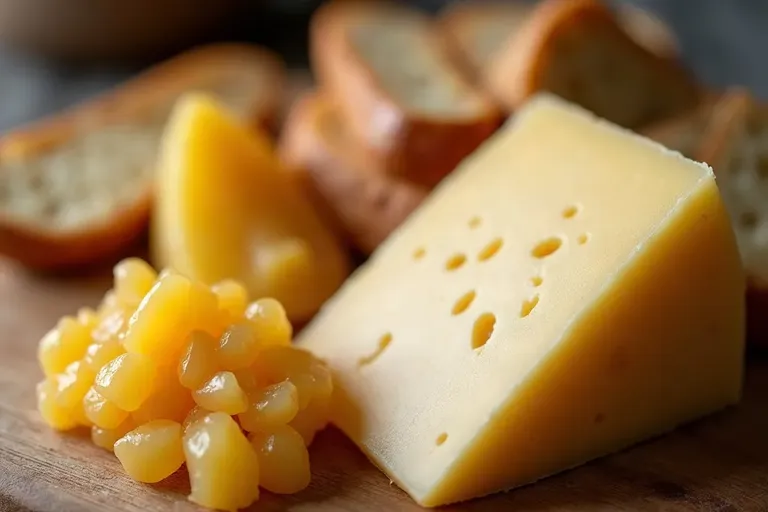
- Tabla de quesos: a cheese board. Usually several Spanish cheeses, sometimes of different milks or ages.
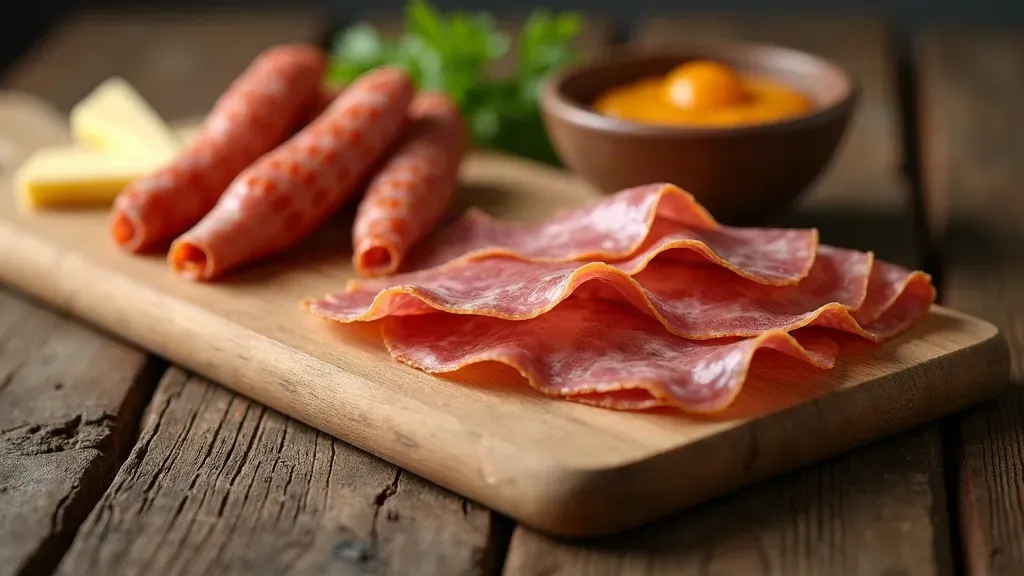
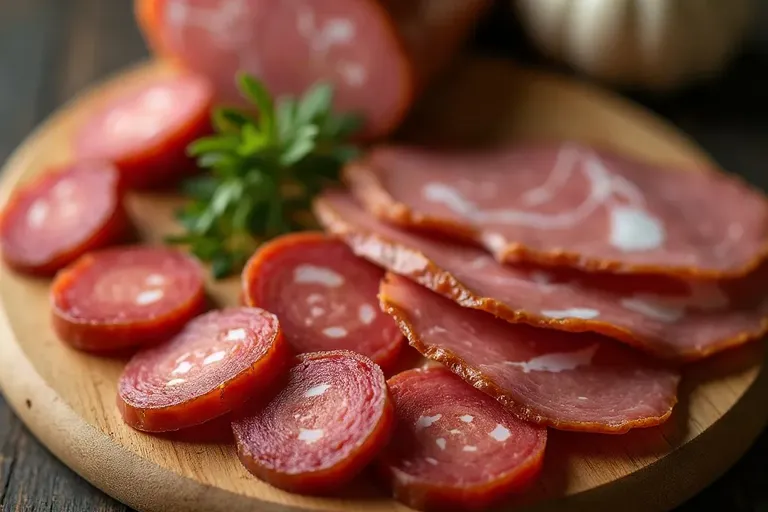
- Tabla de embutidos: a board of cured embutidos (meats stuffed into a casing), such as chorizo, salchichón and lomo embuchado (a whole cured pork loin).
- Tabla de ibéricos: cured meats from Iberian pigs. Often jamón, lomo, chorizo and salchichón, all ibérico.
- Tabla mixta: a mix of cured meats and cheese.
- Surtido de…: an assortment of. You may see "surtido de quesos" instead of a tabla.
One detail that confuses people: strictly speaking, jamón is not an embutido. Embutido means stuffed, and the word covers meats stuffed into a casing, which can be fresh, cooked or cured. The ones you usually see on a board are cured: chopped meat in chorizo or salchichón, or a whole loin in lomo embuchado. Ham is a whole leg, salted and cured with no casing. That is why some menus list ham separately from the embutidos, and why a "tabla de embutidos" may arrive with no ham on it at all.
The cheeses you are likely to see
Spanish boards abroad tend to lean on a few well-known cheeses:
- Manchego: sheep's milk cheese from La Mancha. The age on the label changes it a lot. Our Manchego guide explains the labels.
- Idiazabal: sheep's milk cheese from the Basque Country and Navarre, sometimes smoked.
- Mahón-Menorca: cow's milk cheese from Menorca.
- Cabrales: a strong blue cheese from Asturias.
- Tetilla: a mild, soft cow's milk cheese from Galicia, named for its shape.
For more names, see our guide to Spanish cheese beyond Manchego.
What comes on the side
- Membrillo: quince paste. Manchego with membrillo is a classic Spanish pairing.
- Picos and regañás: small crunchy breadsticks and thin crackers, both associated with Andalusia. They are a common partner for ham and cheese.
- Pan con tomate: toasted bread rubbed with tomato, olive oil and salt. Sometimes ordered alongside a board. Our pan con tomate guide covers it.
How to order without surprises
- Ask what is on it. "¿Qué lleva la tabla?" Boards vary a lot between restaurants, and the menu line is often vague.
- Check serrano or ibérico. Jamón ibérico usually costs more than serrano, and the menu should say which you are paying for. Our guide to whether your jamón ibérico is real explains the labels.
- Ask about size. Some places offer a half board (media tabla), which suits two people starting a longer meal.
- Cheese should not be fridge-cold. Cheese tastes of more at room temperature. If it arrives straight from the fridge, give it a few minutes.
- Think about the drink. Dry sherry such as fino or manzanilla is a classic match for ham. Our fino and manzanilla guide has more.
Where to try it
These restaurants' own records mention cured meats or cheese:
- Tapas Barcelona (Gdynia, Poland) started out importing Spanish wines and later added charcuterie. Its record singles out its Manchego, olive oil and Serrano ham.
- La Pepica (Warsaw) says all its products are Spanish D.O.P, including the cheese, embutido and wines. Its record describes a café by day and a tapas bar later on, though the hours we hold start at 18:00, Wednesday to Saturday.
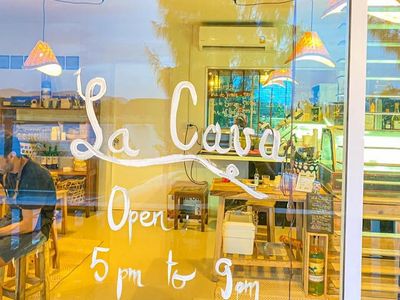
- La Cava Phuket (Thailand) is run by chef-owner David Aldea, who makes his own charcuterie.
- Pintxos (Wan Chai, Hong Kong) lists charcuterie on a menu built around Basque pintxos, alongside tapas and traditional desserts.