Most cuisines have a default cooking fat, and it shapes the food more than people tend to notice. In Spain that fat is olive oil. In a large part of Thai cooking, especially the curries of central and southern Thailand, it is coconut milk and the oil that comes out of it.
The two don't overlap much. Olive oil isn't a traditional Thai ingredient, and coconut plays almost no part in classic Spanish cooking. Comparing them is still useful, because it explains why a Spanish dish and a Thai dish built on similar ingredients, such as garlic, chilli and seafood, end up tasting so different.
Olive oil in the Spanish kitchen
Spain is the world's largest producer of olive oil, and Andalusia grows most of it. Spanish cooks use it for almost everything: shallow and deep frying, slow-cooking, dressing salads and vegetables, and pouring raw over bread.
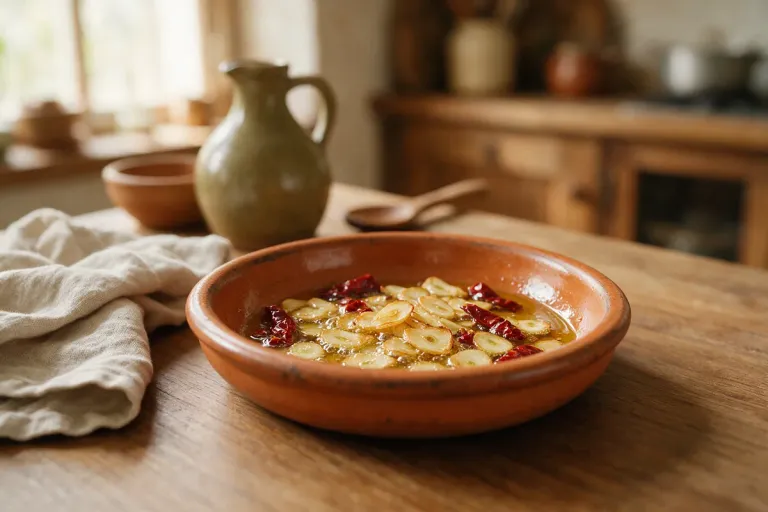
A few dishes show the range. In gambas al ajillo, prawns cook in a generous pool of olive oil with garlic and dried chilli, and the oil becomes the sauce you mop up with bread. In pan con tomate, raw oil goes over toasted bread rubbed with tomato. Gazpacho and salmorejo are blended with olive oil, which gives them body.
How olive oil is graded
EU rules set the grades you see on Spanish labels. The main ones are:
- Aceite de oliva virgen extra (extra virgin): made only by mechanical means, with free acidity of no more than 0.8% and no taste defects.
- Aceite de oliva virgen (virgin): also mechanically extracted, but allowed slight defects and acidity up to 2%.
- Aceite de oliva (olive oil): a blend of refined olive oil and virgin oil, milder in flavour.
At home, a practical split is extra virgin for dressing and finishing, and a cheaper grade for deep frying.
Coconut milk in the Thai kitchen
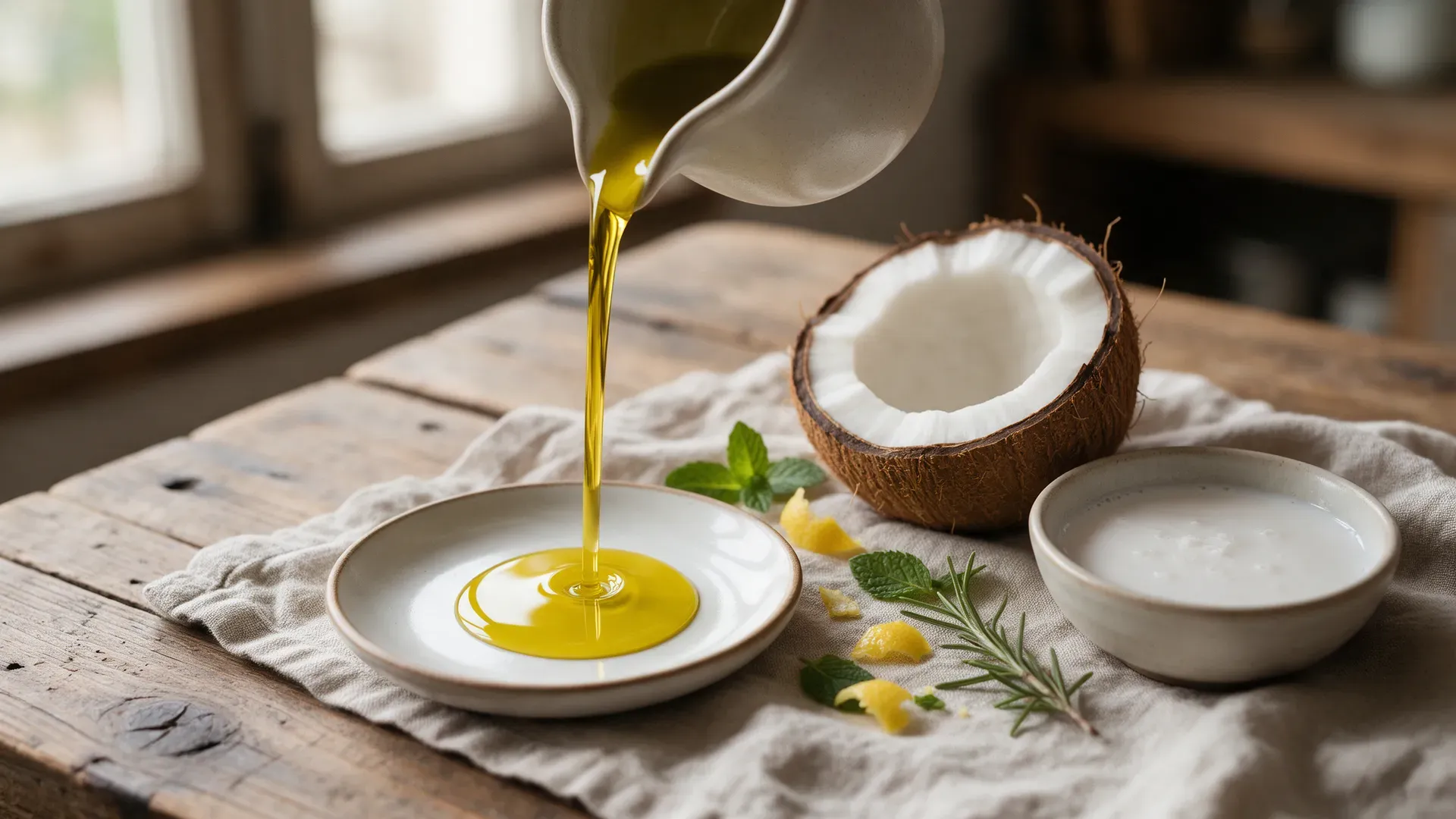
Thai coconut milk (kati) is made by grating mature coconut flesh, mixing it with water and squeezing it. The first, thick pressing gives the cream (hua kati). Pressing again with more water gives a thinner milk (hang kati).
The two pressings do different jobs. For many curries, the cook heats the thick cream until its oil separates, then fries the curry paste in that oil. That step does the work that olive oil does in a Spanish sofrito: it cooks the aromatics and carries their flavour. The thinner milk goes in later to make the sauce.
Coconut isn't the only Thai cooking fat. Stir-fries are usually made with neutral vegetable oil, and pork fat was widely used in the past. Many curries from the north and northeast use no coconut at all. Kaeng pa, the jungle curry, is the best-known example: a thin, hot, herb-heavy broth with no coconut milk.
What the difference means on the plate
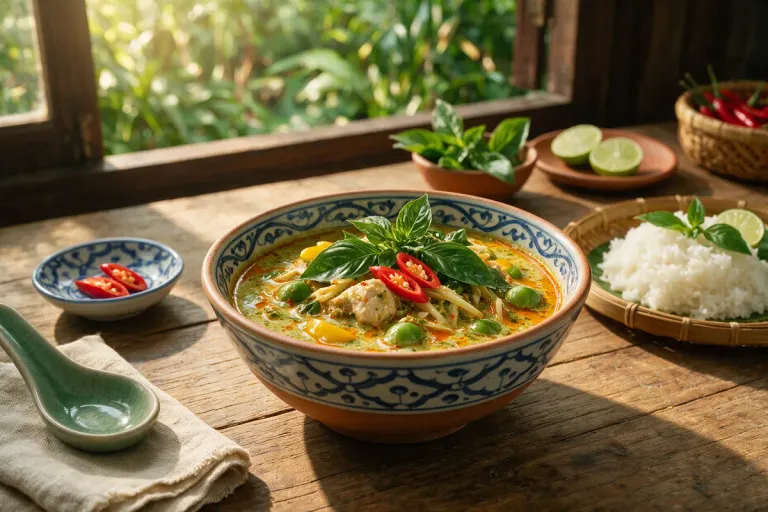
Olive oil is savoury, sometimes bitter or peppery, and it lets garlic, paprika and seafood taste of themselves. Coconut milk is rich and slightly sweet, and it rounds off the heat of chilli and the sharpness of lime, fish sauce and herbs.
Garlic is a good test. Spanish garlic prawns rely on garlic softening in olive oil. Thai cooks fry garlic until golden and crisp and use both the garlic and its oil as a topping. Same ingredient, different fat, different result. We covered garlic in more depth in our piece on ajo and kratiam.
Where to taste Spanish olive oil abroad
These venues mention olive oil in their own records in our directory:
- Lokanta Proeflokaal (Rotterdam) says it works almost exclusively with Spanish products, olive oil included.
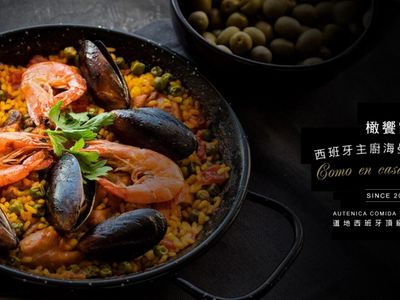
- Como en casa gourmet (Tainan) started in 2014 as an importer of Spanish products such as wine and olive oil, and opened the restaurant next to a small food shop to promote them.
- Tapas Barcelona (Gdynia) began by importing Spanish wine; its record lists olive oil among the products that stand out.
- Barcelona Wine Bar Miami names olive oil, vinegars, pimentón and piquillo peppers among the Spanish flavours it combines with local produce.