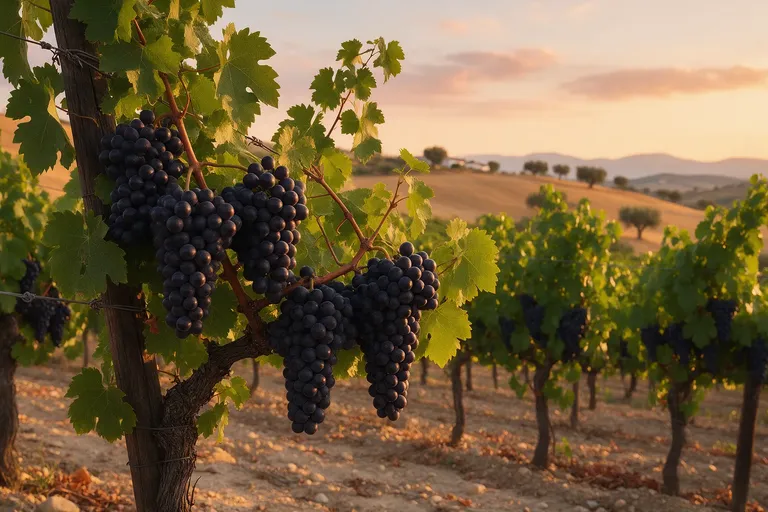
A Spanish wine list is usually organised by place: Rioja, Ribera del Duero, Rías Baixas, Rueda. The letters printed next to those names, DO, DOCa, VT, tell you what kind of protected place it is. They are a separate system from crianza and reserva, which describe ageing. We covered the ageing words in crianza, reserva, gran reserva. This post covers the other half of the label.
The categories
Spain's wine law of 2003 sets out the categories. They describe different kinds of protected origin rather than a strict ladder of quality:
- Vino: wine with no geographical indication. The label does not name a region.
- Vino de la Tierra (VT): wine from a named area that is not a DO, with fewer production rules than a DO. In EU terms this is a protected geographical indication (IGP).
- Vino de Calidad con Indicación Geográfica: a step towards DO status for areas building a track record. You will rarely see it abroad.
- Denominación de Origen (DO): the category most Spanish wine on a restaurant list belongs to. Each DO has a regulatory council (consejo regulador) that sets rules on area, permitted grapes, yields and production.
- Denominación de Origen Calificada (DOCa): a higher tier for DOs with a long record of consistent quality. Only two regions have it: Rioja, which became the first DOCa in 1991, and Priorat, which uses the Catalan form DOQ.
- Vino de Pago: wine from a single estate (a pago) recognised for its own distinctive site. The category was created by the 2003 law. It recognises the site, not the quality of any given bottle.
Vino de Calidad, DO, DOCa and Vino de Pago all count as protected designations of origin (DOP) under EU rules, so some labels print DOP instead.
What the categories do and do not tell you
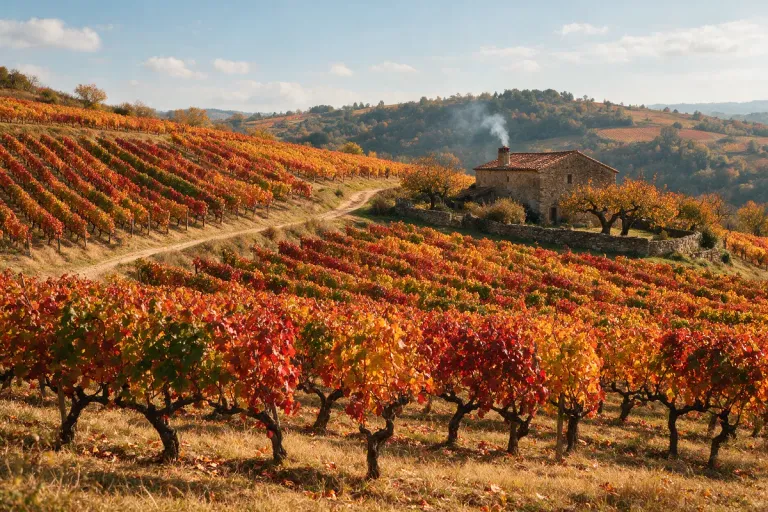
A DO name tells you where the grapes were grown and that the wine followed that region's rules. Most bottles carry a numbered back label from the regulatory council, the contraetiqueta, which is how the council certifies them.
It tells you less about the style or the quality of a particular bottle. Each DO's rules set some limits, such as permitted grapes, but most DOs still cover several styles: reds, whites and rosés, young wines and aged ones. Some well-known producers choose to label wines as Vino de la Tierra so they can use grapes or methods their local DO does not allow. A VT label does not on its own mean a lesser wine.
Cava is an exception worth knowing. It is a DO for traditional-method sparkling wine made within a set of delimited zones spread across several parts of Spain, rather than one compact region. Most cava comes from Catalonia. Using the method alone does not make a wine cava. See how to read a cava label.
Names you will see on a Spanish list
- Rioja (DOCa) and Ribera del Duero (DO): the two big red regions, both built mainly on Tempranillo. See our Tempranillo guide.
- Priorat (DOQ): the other top-tier region, in Catalonia.
- Rías Baixas (DO): Galicia's white wine region, known for Albariño. Our Albariño guide covers it.
- Rueda (DO): white wines, mostly Verdejo, from Castilla y León.
- Toro, Navarra, Somontano, Penedès (all DO): regions you will often see further down a list.
- Catalunya (DO): a region-wide DO covering much of Catalonia, so a Catalunya label is broader than a Penedès one.
- Txakoli: three small Basque DOs, Getariako Txakolina, Bizkaiko Txakolina and Arabako Txakolina. Our txakoli guide explains the wine.
Using this at the table
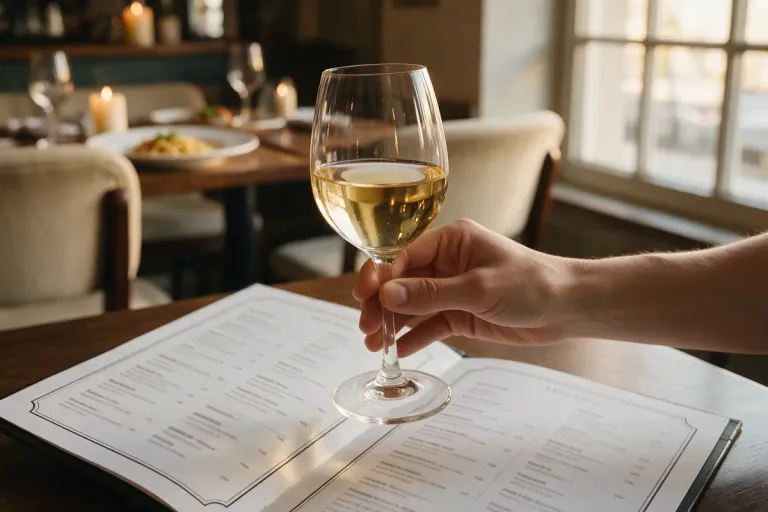
If the list is grouped by DO, pick the region first and the producer second. If you want an aged red, pair the DO name with the ageing word: a Ribera del Duero crianza, a Rioja reserva. If the list has a section of Vino de la Tierra wines, ask about them.
If you are drinking by the glass, tell the staff what you are eating and which regions you already like. That gives them more to work with than "a red, please".
Where to try it
These restaurants in our directory mention Spanish wines in their own records:
- The record for Restaurante Guria in Mexico City lists wines from Rioja and Ribera del Duero plus Penedès, Rueda, Rías Baixas, Somontano, Cataluña, Txakoli, Toro, Navarra and Priorat.
- Enrique Tomás at Jockey Plaza in Lima's Santiago de Surco district is a wine and tapas bar specialising in ham and cured meats, with Spanish wines from Ribera del Duero and Rioja.
- La Barra at Mercado Little Spain at Hudson Yards in New York serves wines from around Spain by the glass or bottle with its tapas.
For more on the bigger regions, read Spanish wine beyond Rioja.