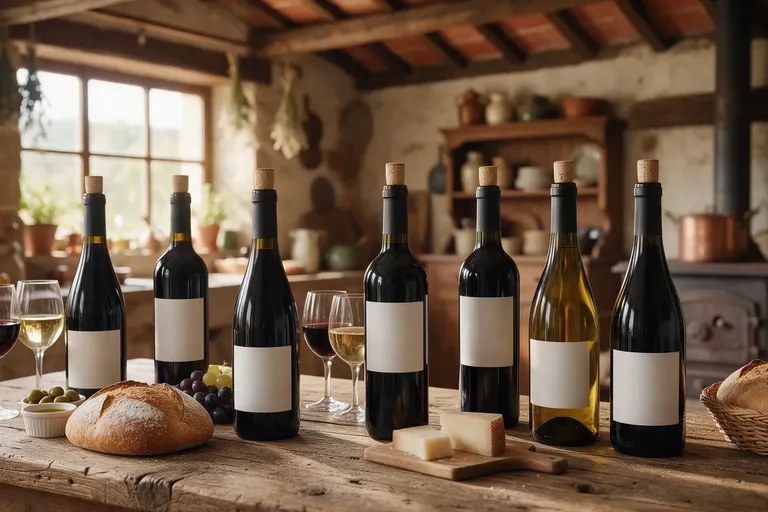
Pick up a bottle of Rioja or Ribera del Duero and you will often see one of four words: joven, crianza, reserva or gran reserva. They aren't marketing language. Three of them are protected terms with minimum ageing times, and knowing them makes a Spanish wine list much easier to read.
This guide covers the baseline rules, how Rioja goes further, and what the terms can and can't tell you.
The baseline minimums
Crianza, reserva and gran reserva are protected traditional terms. Under EU and Spanish labelling rules (Royal Decree 1363/2011), a wine can only carry them if it has met the ageing requirements registered for its denomination of origin, and the label must then show the vintage. The baseline most often quoted comes from Spain's 2003 wine law, and many regions set stricter rules. For red wines, that baseline is:
- Crianza: at least 24 months of ageing, of which at least 6 months in oak barrels.
- Reserva: at least 36 months, with at least 12 months in oak and the rest in bottle.
- Gran reserva: at least 60 months, with at least 18 months in oak and the rest in bottle.
White and rosé wines have shorter minimums, and the exact figures depend on the region.
Joven and roble
Joven means young. These wines are released soon after the harvest with little or no time in oak, and they are made to drink fresh and fruity.
You will also see roble (oak) on some labels, especially from Ribera del Duero. It tells you the wine spent time in oak, but it isn't one of the three ageing terms and carries no fixed minimum, so how much oak it means depends on the producer and region.
How Rioja goes further
Each denomination of origin can set stricter rules than that baseline, and Rioja does. A Rioja red crianza must spend at least a year in oak, not six months. A Rioja red gran reserva needs at least two years in oak and two in bottle.
Rioja also puts a numbered back label (contraetiqueta) from its regulatory council on every bottle, with a colour for each category: green for generic Rioja (no minimum ageing required, so the wine may or may not have seen oak), red for crianza, burgundy for reserva and blue for gran reserva. It's a quick way to check the category from across the table.
Cava uses the words differently. For cava, reserva means at least 18 months ageing on the lees in bottle and gran reserva at least 30 months. We covered those rules in how to read a cava label.
What the terms don't tell you
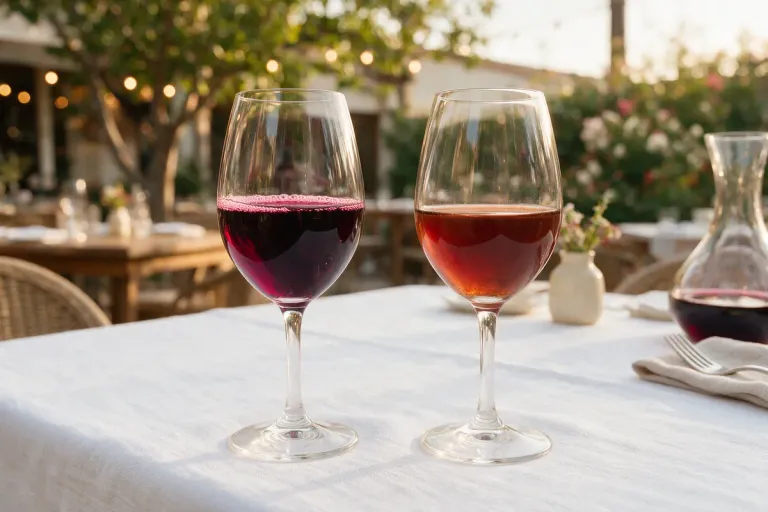
The categories describe time, not quality. A gran reserva has spent longer in oak and bottle, which usually gives softer tannins, more savoury notes and a colour that shifts towards brick. Plenty of people prefer the fruit of a joven or crianza, and many producers make ambitious wines that carry none of these terms at all.
A few practical points when ordering:
- A crianza is a good all-round choice for a table sharing tapas with both meat and fish.
- A reserva or gran reserva makes more sense with roast meat or a slow-cooked dish.
- The vintage matters more with longer ageing, since a gran reserva may be sold several years after harvest.
Where to drink Spanish reds abroad
These venues mention Spanish wine regions in their own records in our directory:
- Enrique Tomás (Santiago de Surco, Peru) is a wine and tapas bar specialising in ham and cured meats, with Spanish wines from Ribera del Duero and Rioja.
- Restaurante Guria - Santa Fé (Mexico City) lists wines from many denominations besides Rioja and Ribera del Duero, including Penedès, Rueda, Rías Baixas, Somontano, Toro, Navarra and Priorat.
- Pintxito (London) has a short, all-Basque drinks list that includes Rioja and Txakoli, with every wine served in 75, 125 and 175ml measures, so you can compare a few.