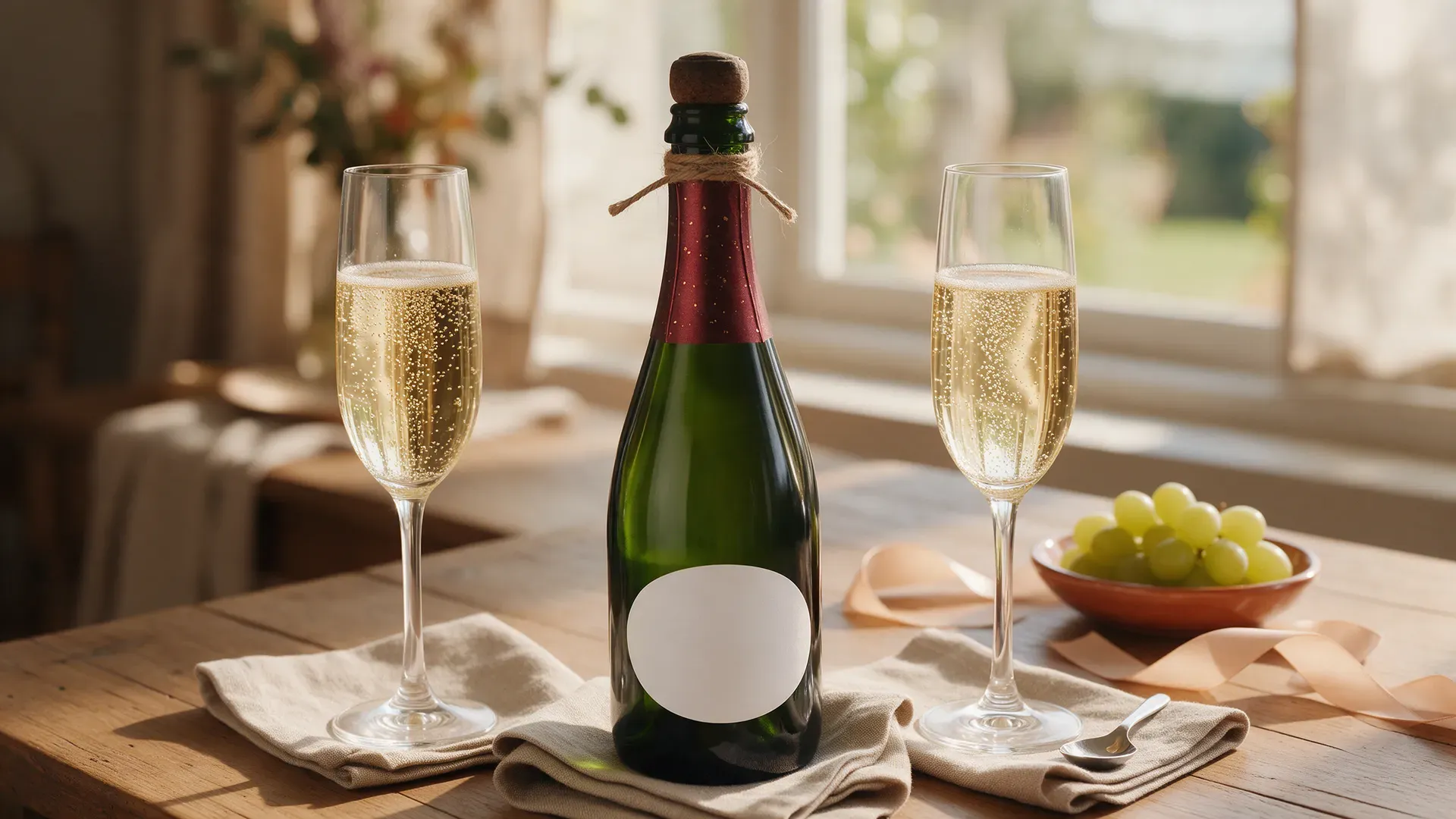
Our cava page covers where Spain's traditional-method sparkling wine comes from. This post is about the bottle in front of you. A cava label carries two separate pieces of information that people often mix up: how sweet the wine is, and how long it aged. Once you can read both, a wine list gets much easier.
Sweetness: the word after "cava"
Before a sparkling wine is corked, producers top it up with a small dose of wine and sugar, called the dosage (in Spanish, licor de expedición). How much sugar goes in decides the style name. From driest to sweetest:
- Brut nature: no added sugar, up to 3 grams per litre
- Extra brut: up to 6 g/l
- Brut: up to 12 g/l, the most common style
- Extra seco: 12 to 17 g/l
- Seco: 17 to 32 g/l
- Semiseco: 32 to 50 g/l
- Dulce: more than 50 g/l
The trap is the words themselves. "Seco" means dry and "extra seco" means extra dry, yet both are sweeter than brut. If you want a dry cava, look for brut, extra brut or brut nature. Semiseco is the one to pick with a dessert.
Ageing: how long it sat on its lees
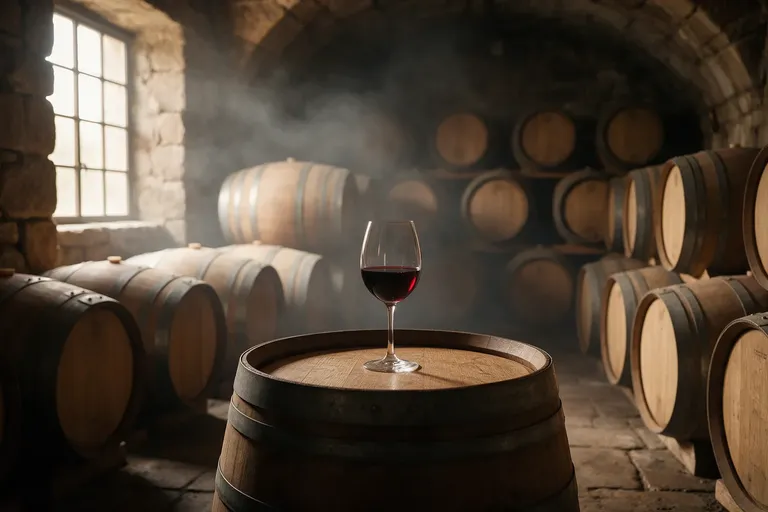
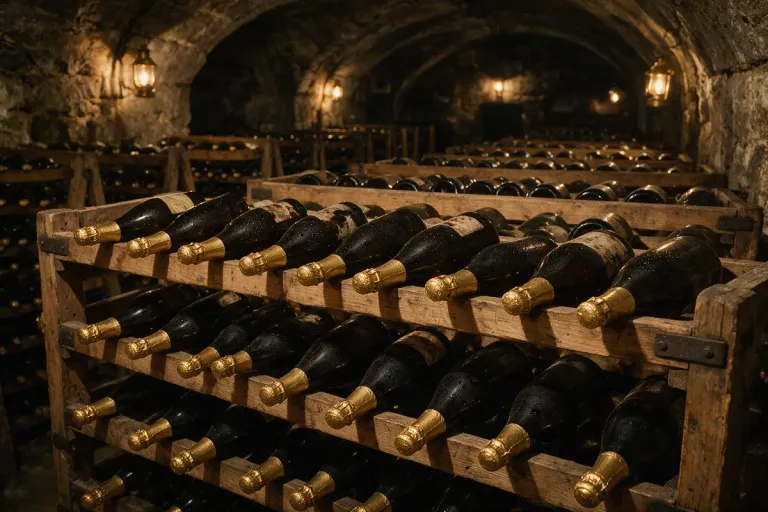
Cava gets its bubbles from a second fermentation inside the bottle. The dead yeast (the lees) stays in the bottle for months or years before it is removed, and that time adds the bready, nutty notes older cavas have. The rules set minimums:
- Cava de Guarda: at least 9 months on the lees. This is the entry level.
- Reserva: at least 18 months
- Gran Reserva: at least 30 months
- Cava de Paraje Calificado: at least 36 months, from a single qualified vineyard site
Reserva, Gran Reserva and Paraje Calificado sit together in the higher category, Cava de Guarda Superior. A young Guarda is fresh and fruity and fine as an aperitif. A Gran Reserva has more body and holds up to food.
Grapes and colour
The traditional white blend is Macabeo, Xarel·lo and Parellada. Of the three, Xarel·lo gives the most structure. Chardonnay and Pinot Noir are also permitted. Rosado cava is made with red grapes such as Garnacha, Trepat, Monastrell or Pinot Noir.
Where it was made
Most cava comes from the Penedès in Catalonia, around Sant Sadurní d'Anoia. But the Cava designation is not tied to one region. It also covers areas elsewhere in Spain, including Requena in Valencia and Almendralejo in Extremadura, so it is worth checking the back label for the town.
You may also see Penedès sparkling wines that don't say cava at all. In 2019 a group of Penedès producers, Gramona among them, left the Cava designation and began labelling their wines as Corpinnat, a collective brand with stricter rules of its own. They are made the same way and are often on the same shelf, just under a different name.
Ordering cava abroad
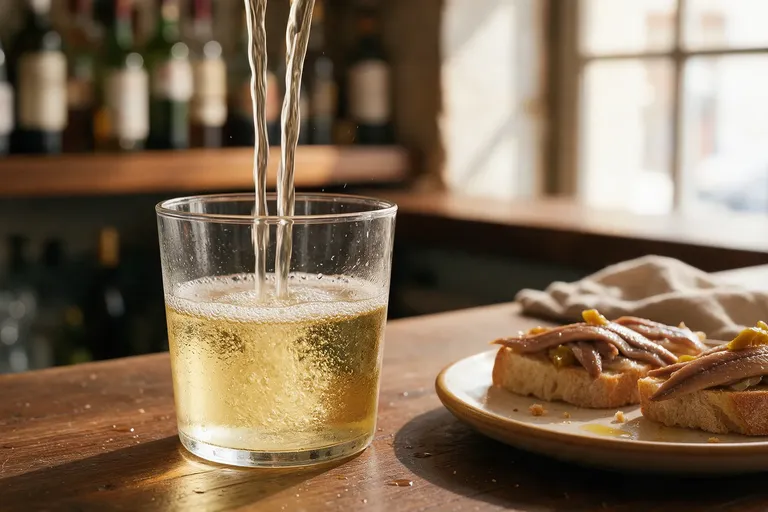
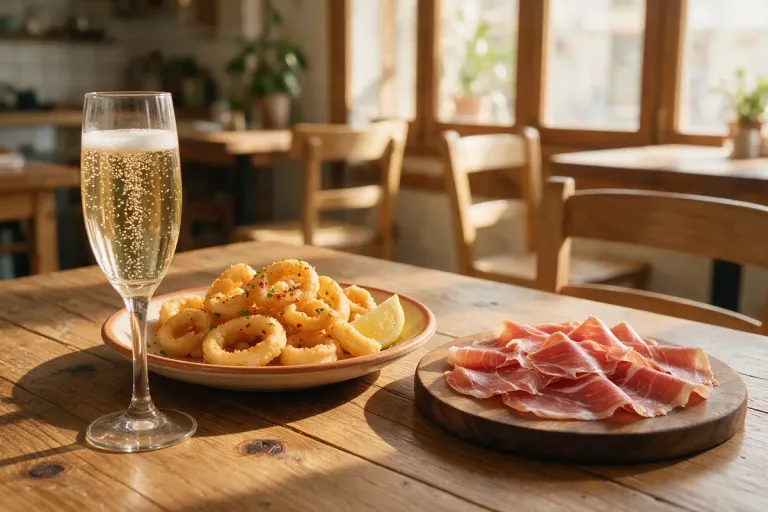
On a restaurant list, brut or brut nature is the safe default for a table eating tapas: salty ham, fried food and seafood all go well with a dry, acidic sparkling wine. If the list offers a Reserva or Gran Reserva, it is usually the better bottle to carry through a meal. Spanish wine bars outside Spain tend to have more choice; WineTu in Warsaw, for example, lists sparkling cavas alongside its reds and whites.
For more Spanish wine, see our guide beyond Rioja and Sherry 101.