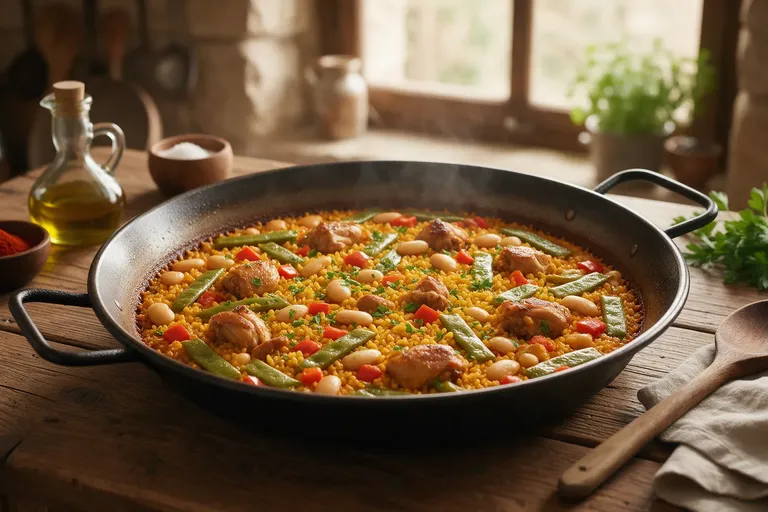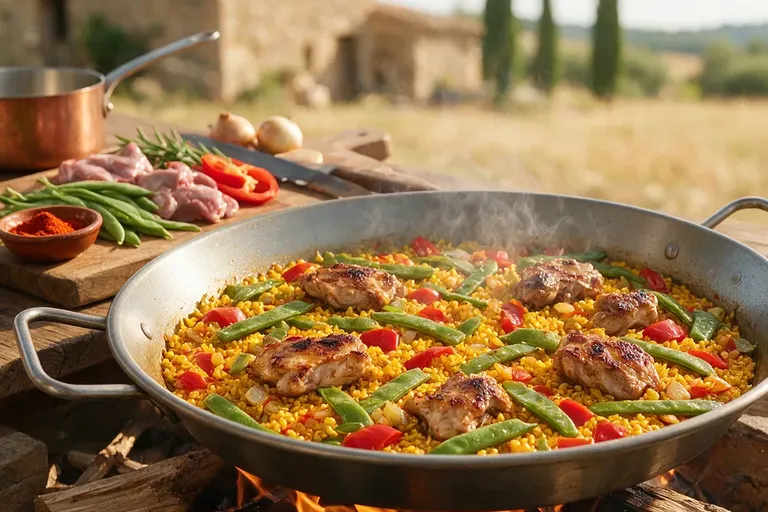
Thailand eats rice at almost every meal. Spain eats it far less often, but when it does, the rice is the dish, not the side. That difference explains most of what surprises Thai diners the first time they order paella.
Two grains, two jobs
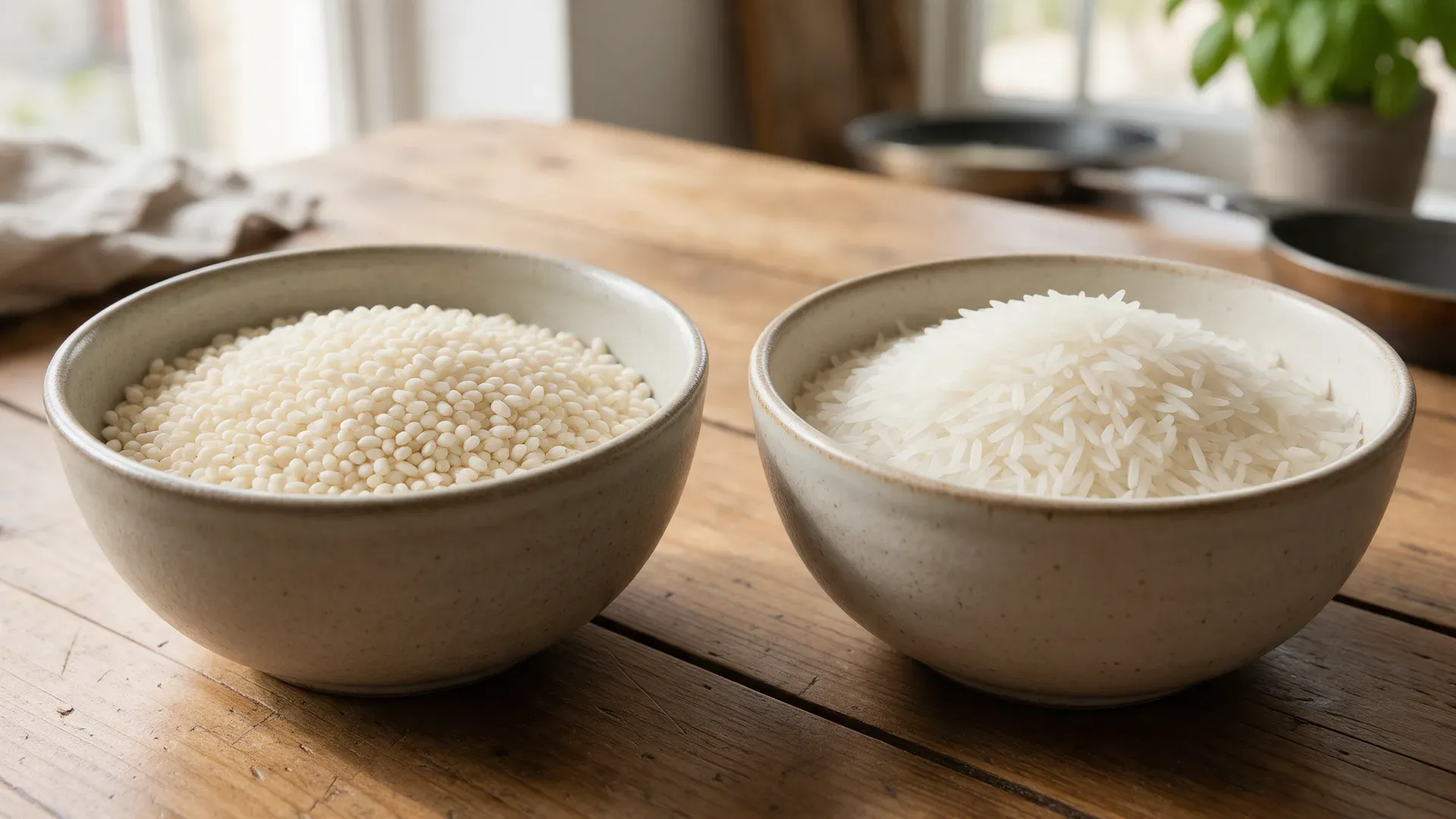
Thai jasmine rice, khao hom mali, is a long grain valued for its fragrance. It is cooked in water, it should come out soft and separate, and it sits next to a curry or stir-fry that carries the flavour.
Spain's best-known paella rice, bomba, is a short, round grain. It is valued because it can soak up a lot of stock and stay whole instead of turning mushy. In a paella the rice is cooked directly in a flavoured stock with the other ingredients, so the grain is the thing absorbing all the flavour. Bomba is grown in eastern Spain, and two protected designations cover Spanish rice: Arroz de Valencia and Calasparra, in Murcia.
So the two cuisines want opposite things. Thai cooks want rice that stays neutral and fluffy. Spanish rice cooks want a grain that drinks in flavour and still holds its shape.
Washing, stirring and the crust
Many Thai cooks rinse jasmine rice before cooking to remove surface starch. Paella cooks don't wash the rice, and once the stock is in, they don't stir it. Stirring releases starch and makes the dish creamy, which is right for risotto and wrong for paella.
Leaving the pan alone also creates socarrat, the toasted layer of rice stuck to the bottom. Spaniards scrape it up and fight over it. Thai kitchens have a close relative: khao tang, the crust from the bottom of the rice pot, dried and fried into crackers. Both cultures decided the burnt bit was the best part.
Fried rice is not a paella shortcut
Khao pad is usually made with cooked, day-old rice, stir-fried hot and fast. Paella starts with raw rice and takes around twenty minutes of simmering in stock. That is why a paella can't be made to order in a few minutes, and why a restaurant that brings one out too quickly is worth a second look. Our guide on how to spot a bad paella goes into the details.
More Spanish rice to try
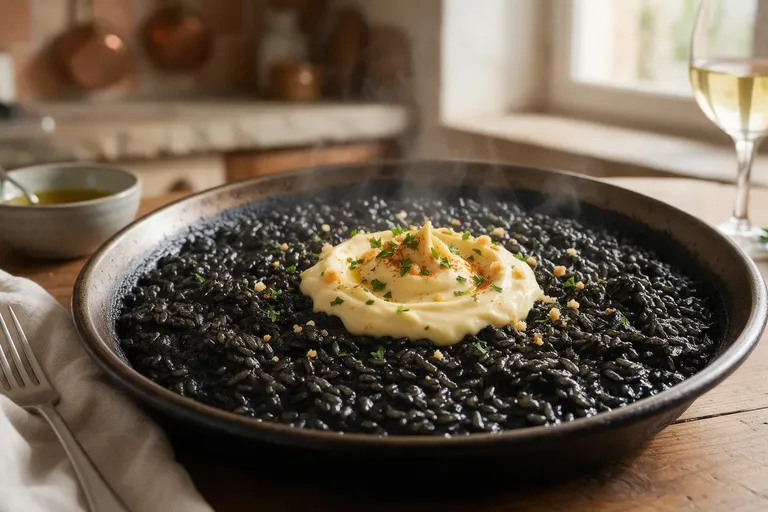
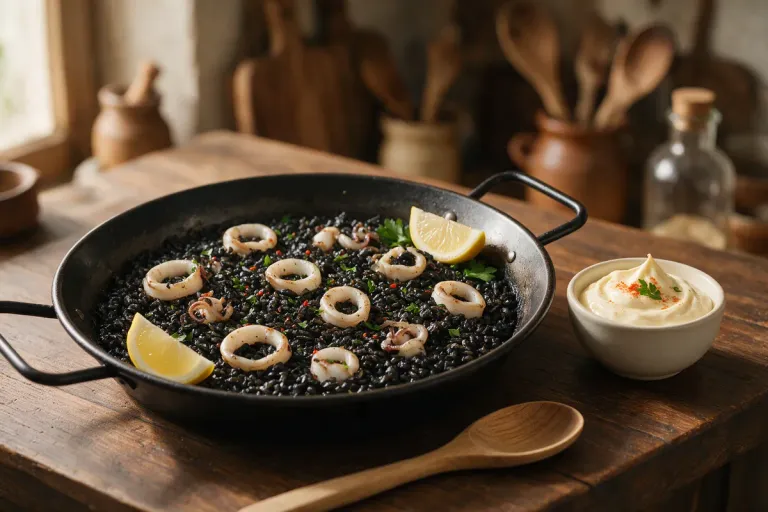
- Arroz negro, black with squid ink
- Arroz a banda, rice cooked in fish stock, often served with alioli
- Fideuà, the same method with short noodles in place of rice
Many Spanish restaurants cook paella only for two or more people, because the pan size matters. Order it at the start of the meal and eat tapas while you wait.
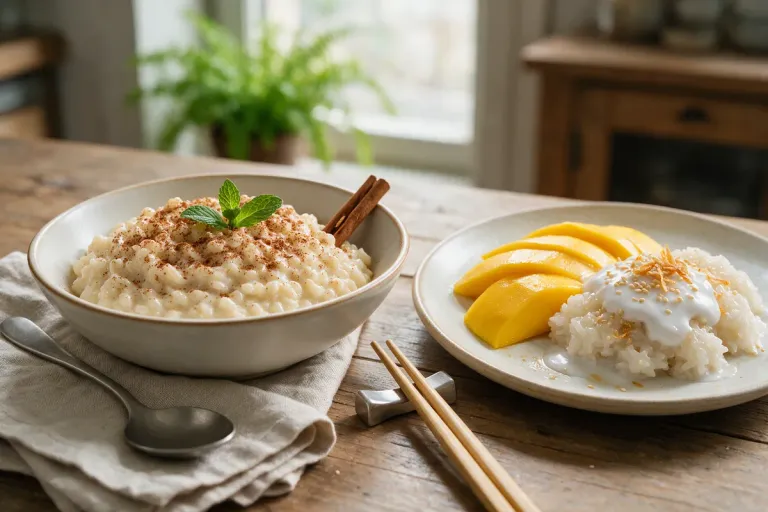
Sweet rice
The two countries meet again at dessert. Thai mango sticky rice uses glutinous rice, khao niao, with coconut cream. Spain's arroz con leche simmers rice slowly in milk with lemon peel and cinnamon. Both are rice cooked soft and sweet with something rich, just with different aromatics. A Thai diner who likes one will probably like the other.
If you're in Thailand, see our guide to Spanish food in Bangkok and the Bangkok listings.
Rice restaurants to try
- Casa Paella at Orton Bradley, Christchurch, cooks 12 rice dishes, including arroz a banda and fideuà de Gandia.
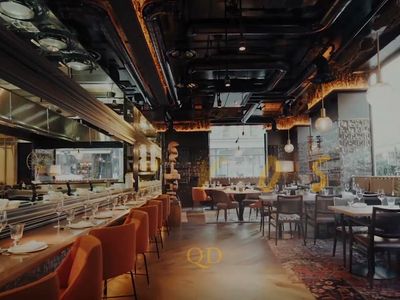
- Arros QD in London cooks seasonal rice dishes over wood fires.
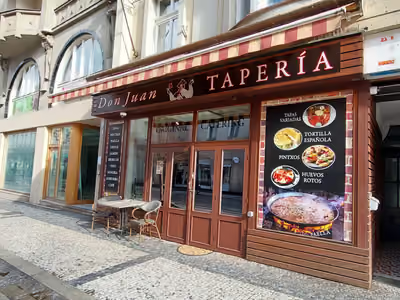
- Don Juan Tapería & Arrocería in Hradec Králové specialises in traditional rice dishes.
- Casa España by Alioli in Bucharest focuses on rice dishes and paella.