Noodles aren't the first thing people link with Spanish food, but Spain has a small noodle tradition of its own. Thailand has a large one. The two work in quite different ways.
Spain's fideos
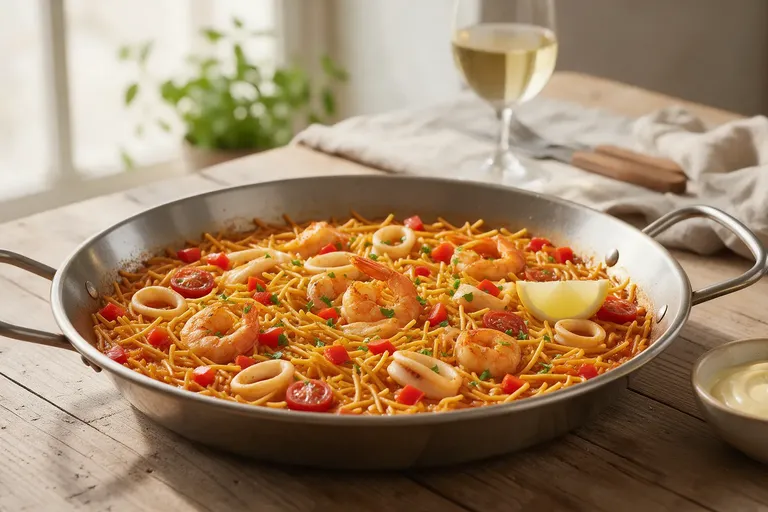
Fideos are short, thin wheat noodles, sold in several thicknesses. Spanish cooks mostly treat them like rice: the dry noodles go into a pan or pot with stock and other ingredients, and they absorb the liquid as they cook. The noodles and the sauce finish together.
The best-known dishes:
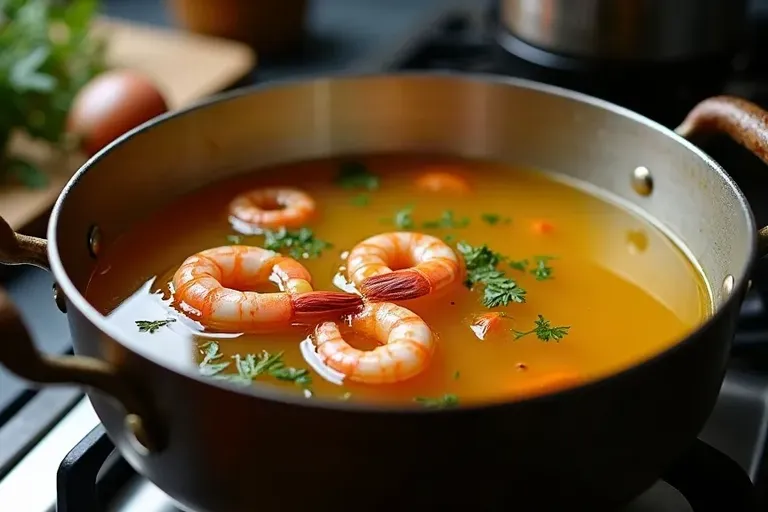
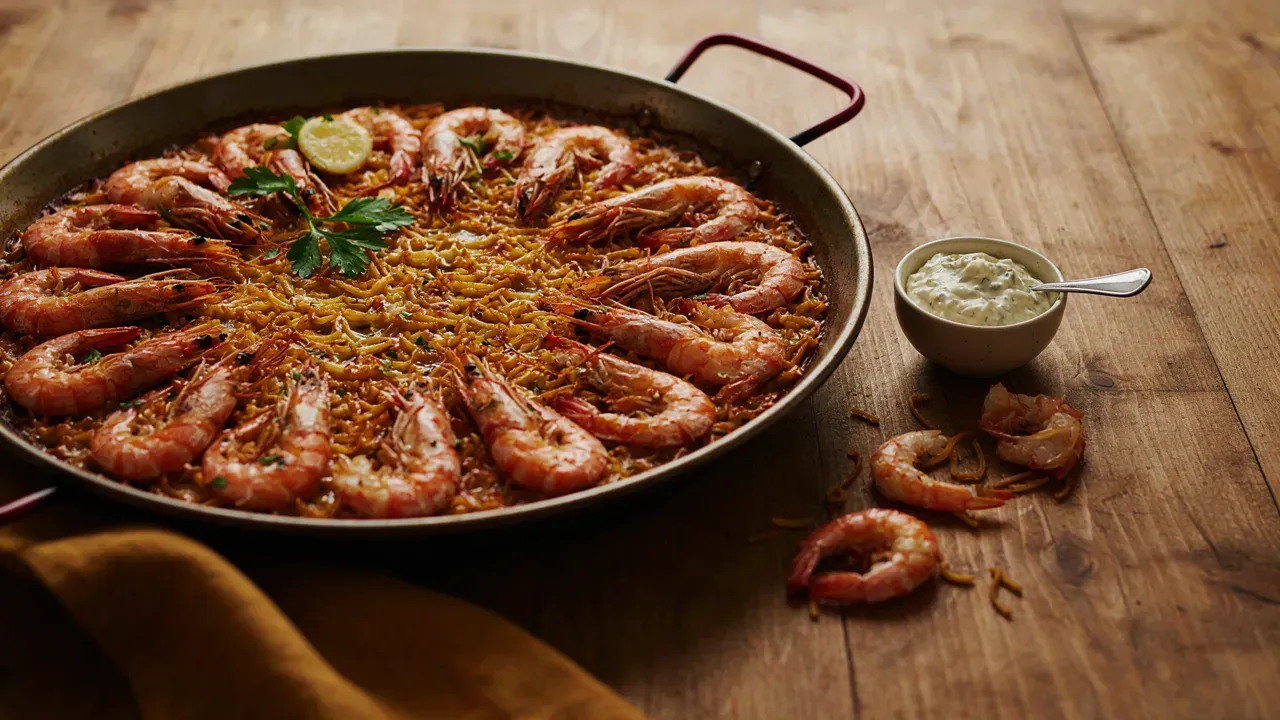
- Fideuà. From Gandia, on the Valencian coast. Short noodles are cooked in a wide paella pan with fish stock and seafood, and served with allioli. Our fideuà guide covers how to order it.
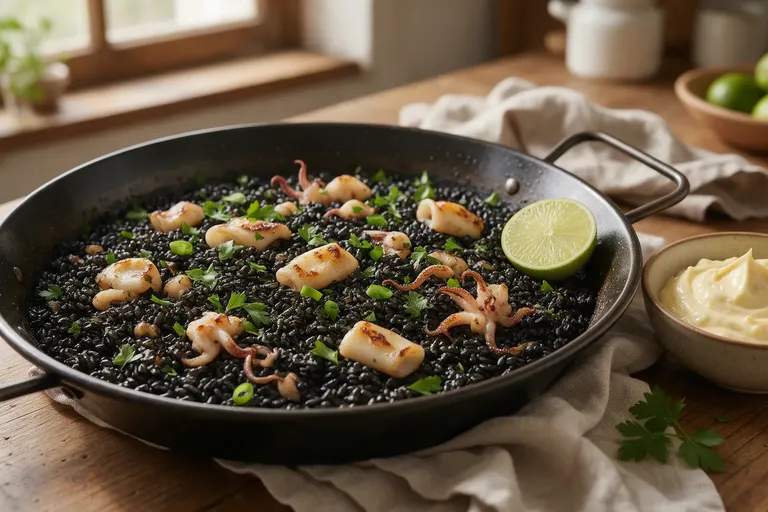
- Fideos negros. Noodles cooked with squid ink, the noodle cousin of arroz negro.
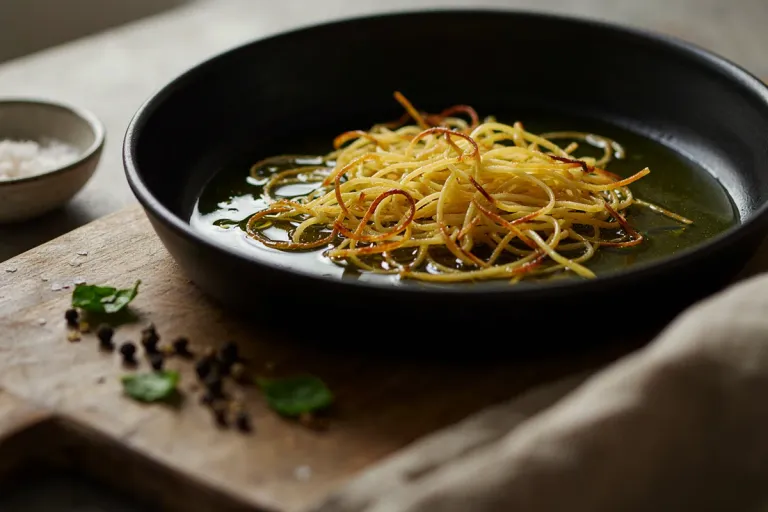
- Rossejat. A Catalan method where the noodles are toasted in oil until golden before the stock goes in.
- Fideos a la cazuela. Noodles cooked in a clay casserole with stock, fish or meat, made in different versions in Catalonia and Andalusia.
- Sopa de fideos. Fine noodles in broth, a plain home soup.
Thailand's noodle family
Many of Thailand's everyday noodle dishes came with Chinese migrants, and their names often still show it. The main types:
- Sen yai, wide flat rice noodles, used in pad see ew and rad na.
- Sen lek, thinner flat rice noodles, the usual choice for pad thai.
- Sen mee, thin rice vermicelli.
- Ba mee, yellow wheat-and-egg noodles, used in northern khao soi.
- Woon sen, glass noodles made from mung bean starch, used in yam woon sen salad.
At a Thai noodle shop you usually pick the noodle first, then whether you want it in soup (nam) or dry (haeng). The table holds a condiment set of sugar, fish sauce, dried chilli and vinegar with chillies, so each person seasons their own bowl.
Where they meet and where they don't
The biggest difference is how the noodles are cooked. Fideos cook in the stock that becomes the dish. Thai rice noodles are usually soaked or blanched first, then stir-fried in a wok or dropped into broth.
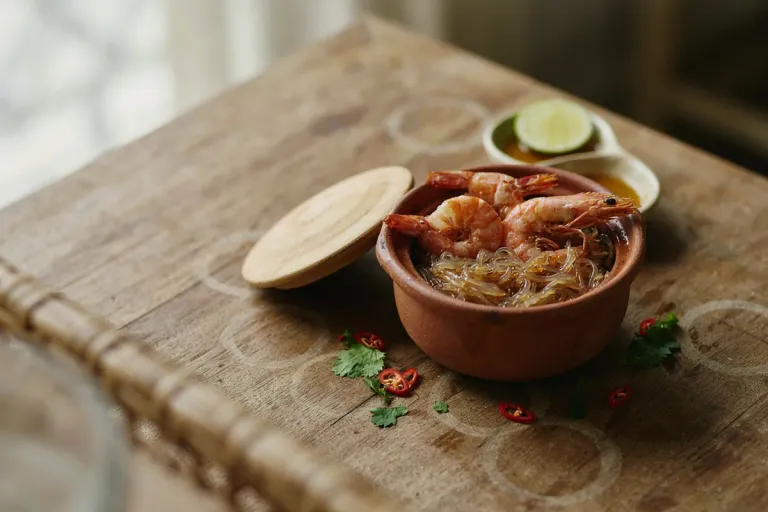
There is common ground. Rossejat toasts the noodles in oil before adding stock, and pad see ew gets its flavour from noodles charred in a hot wok. Both kitchens also have a clay-pot noodle dish with seafood: fideos a la cazuela in Spain, and goong ob woon sen, prawns baked with glass noodles, in Thailand.
Seasoning is different too. A Spanish fideuà arrives finished, with allioli on the side. A Thai bowl of noodles arrives ready to be adjusted at the table.
Where to try fideos
These restaurants in our directory name a fideos or fideuà dish in their own records:
- SOPA Restaurant, Bangkok (Bang Phlat): a Spanish tasting-menu restaurant whose record lists Iberian ham, Spanish octopus and fideuá among its highlights.
- MoVida Bangkok, Bangkok (Ekkamai): chef Frank Camorra's Thai outpost, with fideos negro on its list of refined tapas.
- ¡Ay Manuela!, Xiamen: a small restaurant whose record lists fideuà next to paella and arroz negro.
- Casa Paella, Christchurch: a Valencian arrocería whose 12 rice and paella dishes include Fideuà de Gandia.
For more on Spanish food in Thailand's capital, see Spanish food in Bangkok.