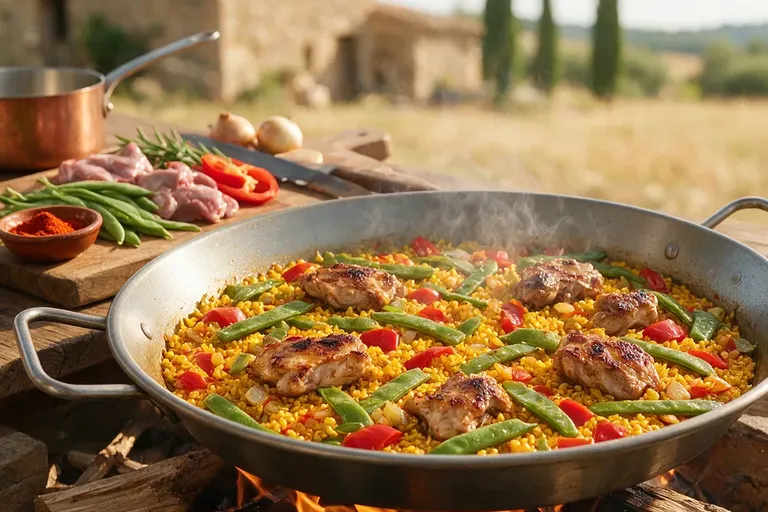
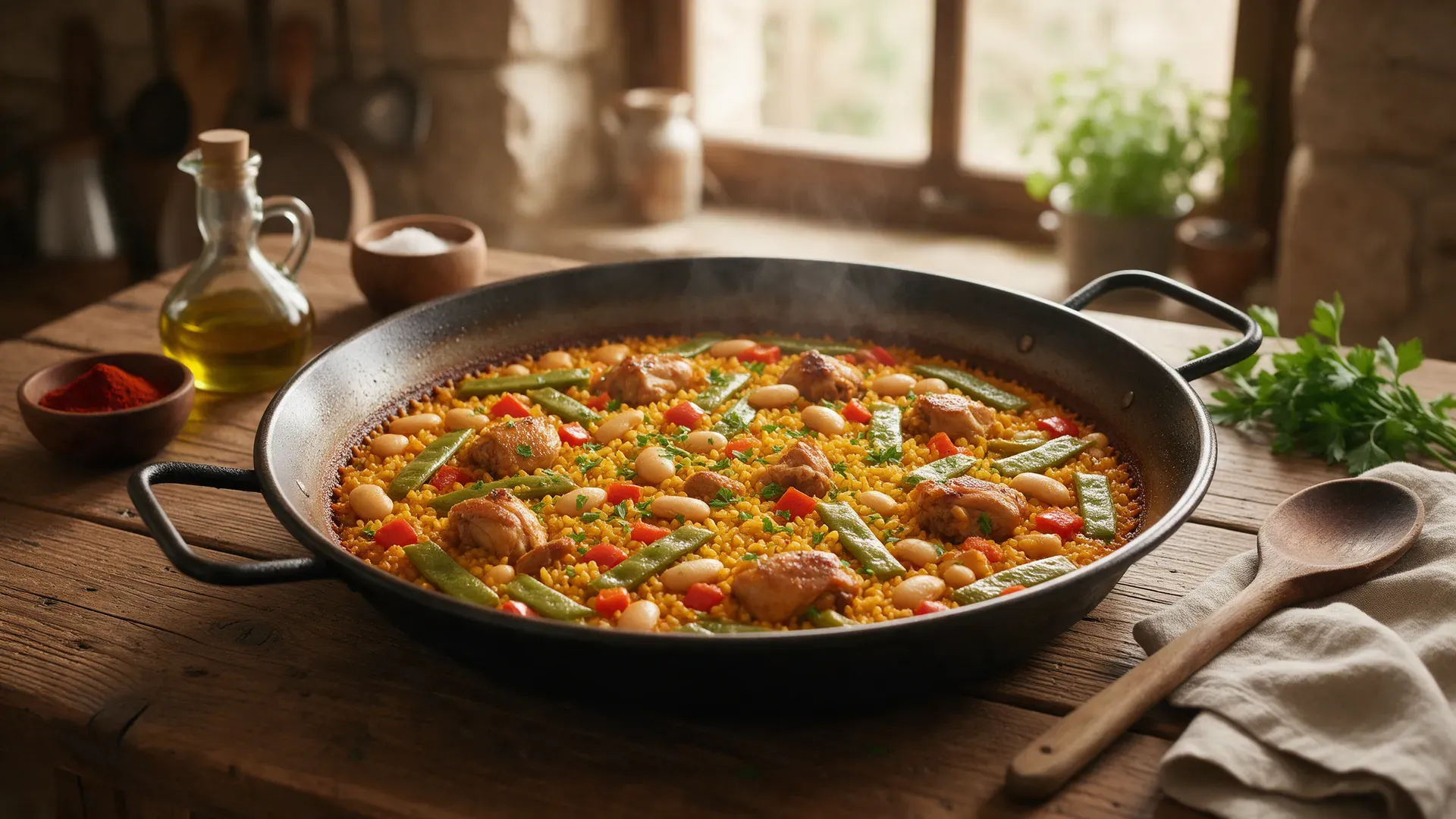
Paella is the most abused Spanish dish on Earth. Done well it is one of the world’s great rice dishes; done badly it is a yellow tourist tax. You can usually tell which you are getting before the first forkful.
Red flags
- Neon-yellow rice. Real paella gets its colour from saffron and sofrito, not food dye — the tone is amber, not highlighter.
- A giant pan under a lamp all afternoon. Good paella is cooked to order and takes 20–30 minutes.
- Chorizo in the rice. A Valencian will wince; it is not traditional and usually hides cheap technique.
- "Paella for one" served in five minutes. That is reheated rice, not paella.
What great paella looks like
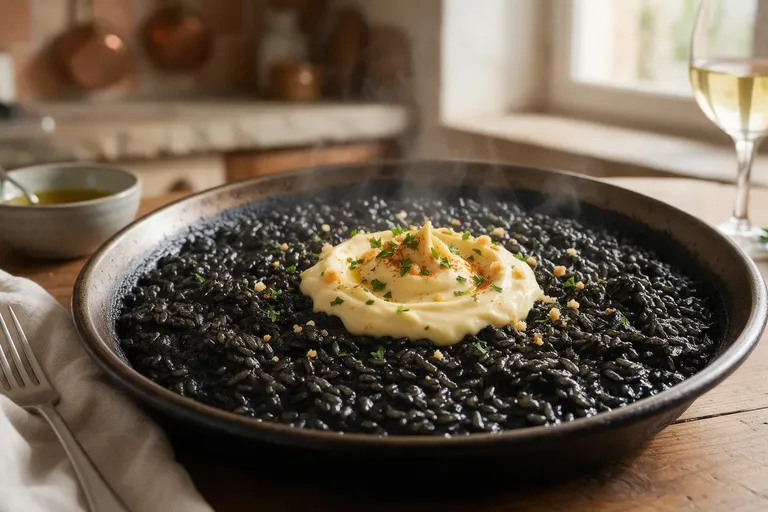
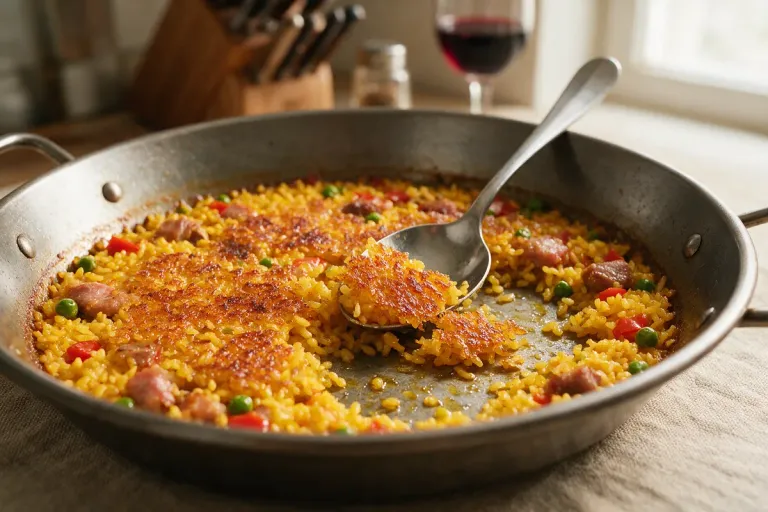
A thin layer of rice, not a mound. A toasted, slightly crisp bottom — the socarrat — that the kitchen is proud of. Clean, separate grains carrying the flavour of stock, not swimming in liquid. If it is a seafood version, the shellfish tastes of the sea, not the freezer.
Where rice gets taken seriously
- Casa Paella at Orton Bradley, Christchurch, cooks 12 rice dishes, including Paella Valenciana made to the recipe from Sueca.
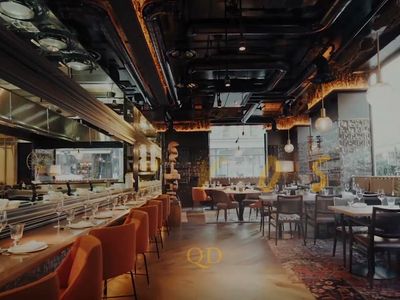
- Arros QD in London is Quique Dacosta's restaurant for seasonal rice dishes cooked over wood fires.
- Qué Pasa Tapas y Vino in Tai Hang, Hong Kong, lists paellas cooked to order next to its charcoal-fired dishes.
- Socarrat Paella Bar in Chelsea, New York, has a private paella bar alongside its signature paellas.
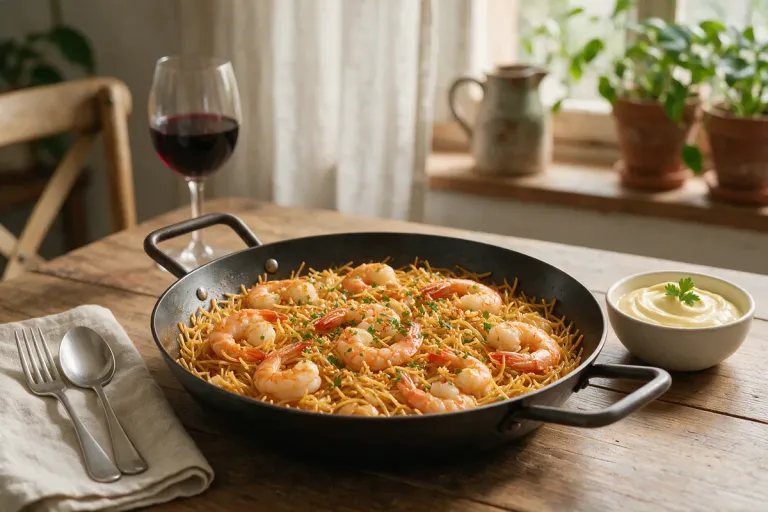
If in doubt, order fideuà
Some of the best rice cooks quietly offer fideuà, the noodle cousin of paella — a good sign the kitchen actually cares. Browse venues that cook rice properly in our directory.