Ribera del Duero is one of Spain's best-known red wine regions. This guide covers what the name means and how to read the label.
Where it is
Ribera del Duero follows the Duero river across the northern plateau of Castilla y León. The vineyards fall in four provinces: Burgos, Valladolid, Soria and Segovia, and the main town is Aranda de Duero. Much of the area is high, at several hundred metres above sea level, with hot summers and cold nights. Ribera became a Denominación de Origen in 1982, though wine has been made there for centuries. Vega Sicilia, one of Spain's most famous estates, was founded in the nineteenth century, long before the DO existed.
The castle at Peñafiel, in Valladolid province, now houses a wine museum and is one of the area's best-known landmarks.
The grape: Tinto Fino
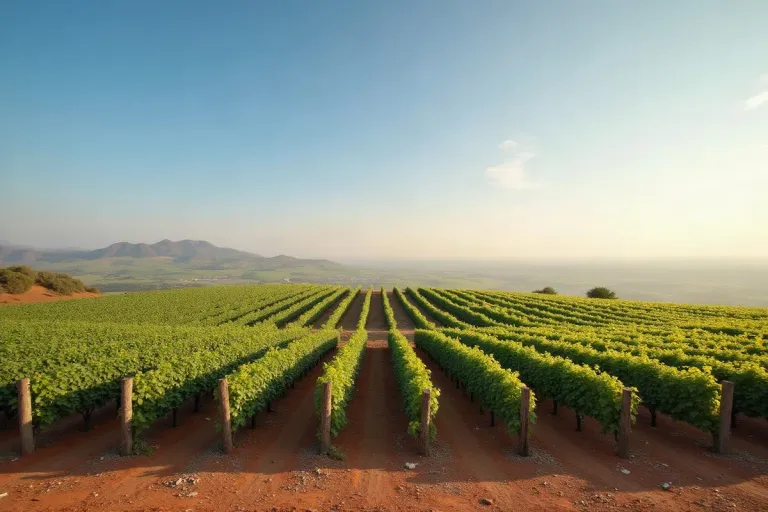
Ribera's reds are built on Tempranillo, which locals call Tinto Fino or Tinta del País. The rules require red wines to be mostly Tempranillo, with small amounts of other permitted grapes such as Cabernet Sauvignon, Merlot or Malbec. In 2019 the DO also began to cover white wines made from the local Albillo Mayor grape, but red is still what the name stands for.
Reading the label
Ribera uses the ageing terms found across much of Spain. Our guide to crianza, reserva and gran reserva covers them in detail. For red wines, in short:
- Joven: young wine, little or no oak ageing.
- Roble: a term often used for wines with a short time in oak, less than a crianza.
- Crianza: at least two years of ageing, with at least one in oak barrels.
- Reserva: at least three years of ageing, with at least one in oak.
- Gran reserva: at least five years of ageing, with at least two in oak.
These are minimums. Many producers age for longer, and some of the most expensive Ribera wines do not use these terms at all.
How to order it
- Tempranillo is also the main red grape of Rioja, so if a list offers a Tempranillo-led red from each region by the glass, ordering both is an easy way to compare them.
- In Ribera itself the classic match is lechazo, milk-fed lamb roasted in a wood oven, so it suits roast and grilled meat. Our Castilla y León food guide explains the dish. For Castilian roasting outside Spain, Sabor in London describes a menu that runs from Andalusian tapas bars to the asadors of Castile; its listing does not name its wines.
- Nearby regions on the same river include Toro (red) and Rueda (white, mostly Verdejo), which may sit next to Ribera on a list.
Where to find Ribera on a list
- Enrique Tomás, Jockey Plaza, Santiago de Surco (Peru): a wine and tapas bar specialising in ham and cured meats, whose listing names Spanish wines from Ribera del Duero and Rioja.
- Guria, Mexico City: a contemporary Basque restaurant whose listing names Rioja and Ribera del Duero among wines from several DOs, including Rueda and Toro.