Many of the cured meats on a Spanish menu come from a single rural custom: la matanza, the yearly killing of the family pig. For centuries, households in the Spanish countryside raised a pig through the year and slaughtered it once the weather turned cold. The meat had to feed the family for months, so almost every part was salted, stuffed, smoked or dried. Chorizo, morcilla, lomo and ham all come out of that work.
Why November and San Martín
The matanza happened in late autumn and winter because cold, dry air is what you need to cure meat without it spoiling. In many regions the season was linked to the feast of San Martín (St Martin of Tours) on 11 November.
That date gave Spanish one of its best-known sayings: "a cada cerdo le llega su San Martín", every pig gets its St Martin. People use it to mean that everyone gets what's coming to them sooner or later, and it is still in everyday use.
How a matanza worked
A matanza was a family and village event rather than a job for one person. Relatives and neighbours came to help, and the work usually took several days. Much of that time went on mixing, seasoning and stuffing the sausages.
The order of work was practical. Blood was collected first, because it is needed fresh for morcilla. The fat was rendered into lard (manteca). The legs and shoulders were salted to start their long cure as ham. The remaining meat was chopped, seasoned and stuffed into casings. Some fresh meat was cooked and eaten on the day, which made the matanza a feast as well as a job.
What the matanza leaves on the table
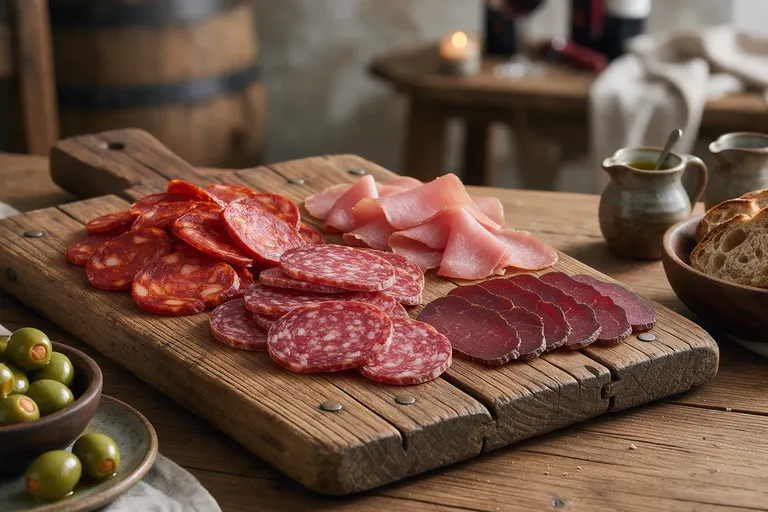
- Chorizo: pork and pork fat seasoned with pimentón and garlic, then cured or smoked. Our post on chorizo a la sidra and al vino explains the cooking kind.
- Morcilla: blood sausage. The recipe changes by region. In Burgos it is made with rice and onion; in Asturias it is smoked and goes into fabada.
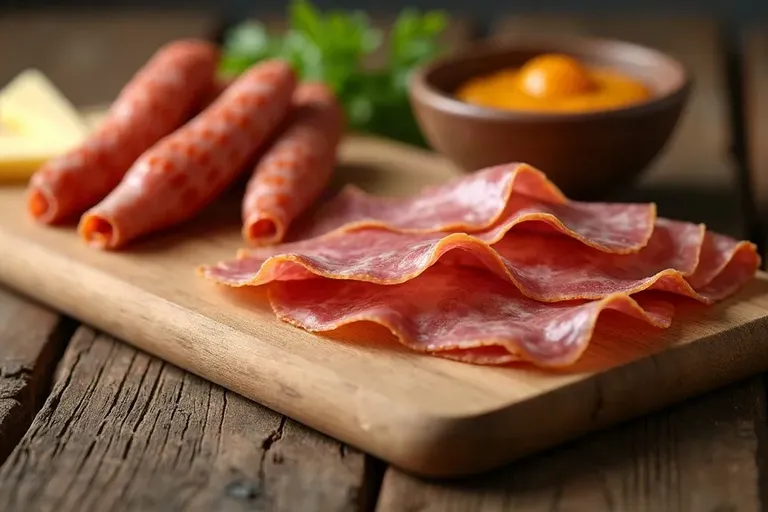
- Salchichón: a cured sausage seasoned with black pepper rather than pimentón.
- Lomo embuchado: the whole loin, seasoned and cured inside a casing.
- Jamón and paleta: the back legs and front shoulders, salted and then hung for months or years.
- Sobrasada: the soft, spreadable sausage of the Balearic Islands, also made in matanza season.
- Botillo: from El Bierzo in León, a casing stuffed with chopped ribs, tail and other cuts, smoked and boiled.
Our guide to Spanish cured meats goes into more detail on each one, and our Castilla y León food guide covers morcilla de Burgos.
The matanza today
Most of the cured meat sold in Spain now comes from producers, not family slaughters, and the home matanza is regulated and much less common than it was. In some villages the tradition carries on, and some towns hold a public fiesta de la matanza where the food is the main attraction.
The cold-season rhythm is still in the food. Spoon dishes made with chorizo, morcilla and pork, such as cocido, fabada and lentejas, are winter food in Spain; our post on platos de cuchara lists the main ones. In Extremadura the same tradition is tied to the Ibérico pig of the dehesa, covered in our Extremadura food guide.
Reading the charcuterie on a Spanish menu
On a menu abroad, matanza products usually turn up in three places:
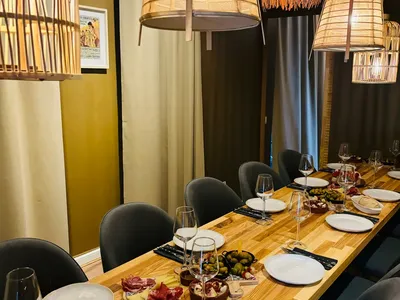
- On a tabla or board of embutidos (cured sausages) and cheese. Our guide to tablas explains how to order one.
- As cooked tapas: chorizo in cider or wine, fried morcilla, or morcilla with peppers.
- In stews, where chorizo and morcilla add fat and flavour to beans or chickpeas.
If a menu says casero (homemade), the kitchen is telling you it makes that item itself. It's worth asking which ones.
Where to try Spanish charcuterie abroad
These venues mention charcuterie or embutido in their own records on our site.
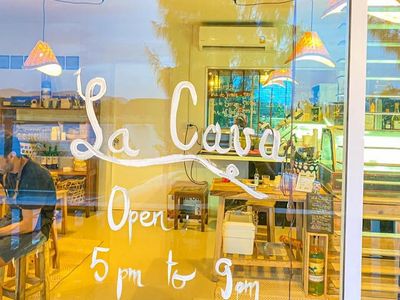
- La Cava, Phuket: chef-owner David Aldea makes his own charcuterie and grows his own vegetables, according to its record.
- Bocata, Beijing: lists homemade blood sausage alongside pinchos, tapas, paellas and ham croquettes.
- La Pepica, Warsaw: its record says all its products are Spanish D.O.P., including the cheese, embutido and wines.
- Tapas Barcelona, Gdynia: started out importing Spanish wines and later added charcuterie; its record names Manchego, olive oil and Serrano ham.