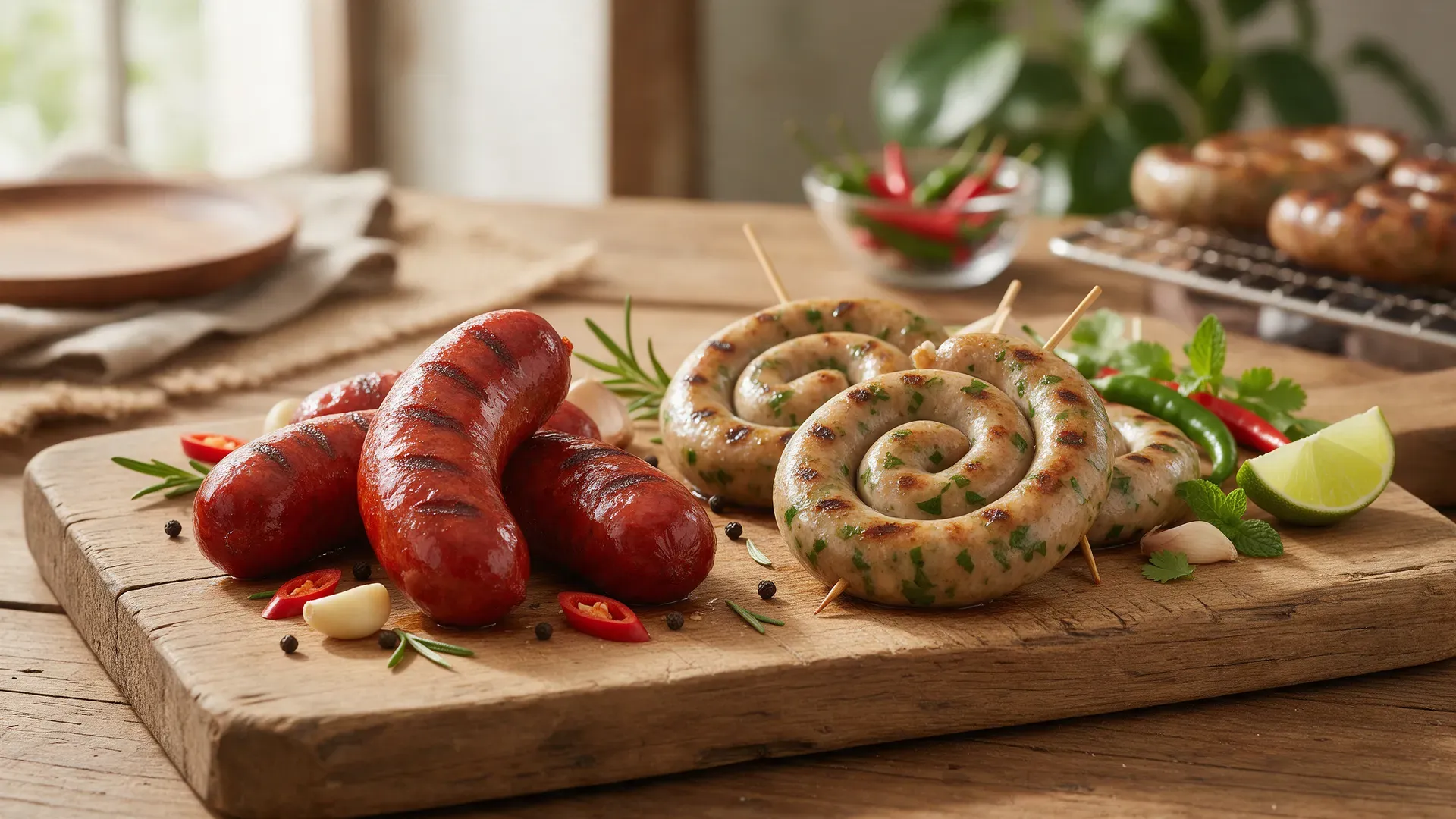
Spain and Thailand both take pork, garlic and red pepper or chilli, stuff them into casings and hang or grill the result. The sausages that come out are very different. Spanish ones are mostly about curing: salt, time and dry air. The best-known Thai ones are about fresh herbs and fermentation. Putting them side by side is a good way to understand both.
Spain: cured, red and garlicky
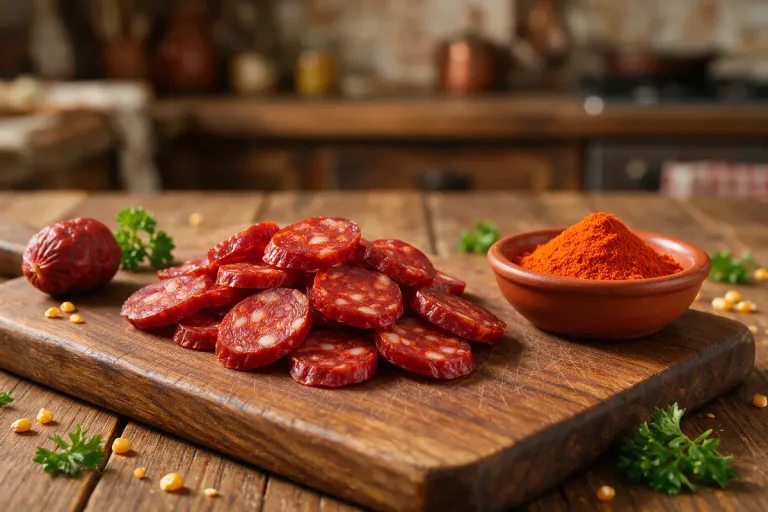
Chorizo is the one everyone knows. It is pork, pork fat, garlic and pimentón, the Spanish paprika, which gives it the red colour and much of the flavour. Pimentón can be sweet, bittersweet or hot, and smoked or not, so chorizos vary a lot by region. Our pimentón and prik piece goes into the paprika itself.
The main split is between cured and fresh. Cured chorizo is dried until firm and sliced thin, like salami. Fresh chorizo is soft and has to be cooked. Chorizo for cooking goes into stews and into chorizo a la sidra, chorizo simmered in cider, a classic from Asturias. See our chorizo page for more.
Spain has other sausages you will meet on menus:
- Morcilla, blood sausage. The version from Burgos is made with rice; the Asturian one goes into fabada.
- Sobrasada, a soft, spreadable cured sausage from Mallorca, red with pimentón.
- Chistorra, a thin, quick-cured sausage from Navarre and the Basque Country, usually fried.
- Salchichón, a cured sausage seasoned with black pepper rather than pimentón.
- Butifarra, a family of Catalan pork sausages; the fresh kind is often grilled and served with white beans.
Thailand: herbs, curry paste and sourness
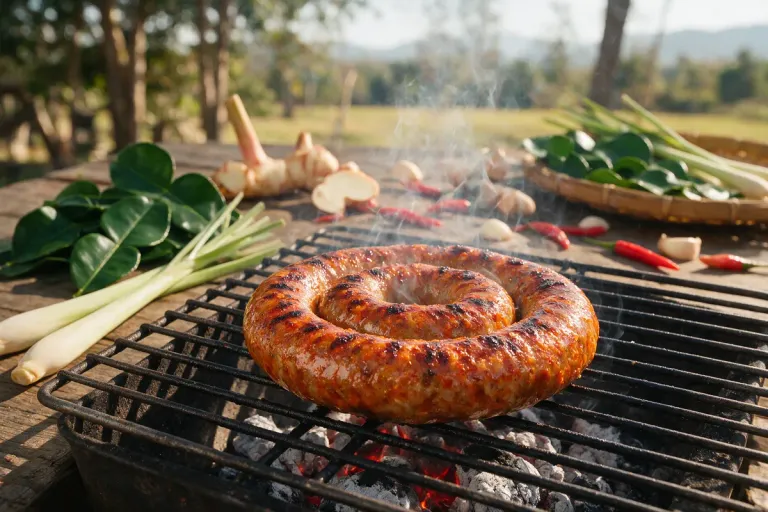
Sai ua is the northern Thai sausage, closely linked with Chiang Mai. Minced pork is mixed with red curry paste, lemongrass, makrut lime leaf, galangal, shallot and garlic, then coiled and grilled over charcoal. It is eaten fresh, often with sticky rice and chillies. Where chorizo tastes of paprika and garlic, sai ua tastes of the herb paste.
Sai krok Isan comes from the north-east. Pork and cooked sticky rice, with garlic and salt, are stuffed into casings and left to ferment for a few days until sour, then grilled. It is served with raw cabbage, fresh ginger and bird's eye chillies.
Naem takes the sour idea further. It is fermented pork, often with shredded pork skin, garlic, cooked rice and chillies, wrapped tightly (traditionally in banana leaf) and left to sour. It is eaten on its own, often grilled or fried, or used in dishes like nam khao tod, the crispy rice salad.
Thailand also has kun chiang, the sweet, dried Chinese-style sausage, but the three above are the ones that show what Thai cooks do differently.
Where they meet and where they part
Both kitchens start from pork, fat, garlic and red pepper or chilli. After that they go different ways:
- How they keep: Spanish cured sausages rely on salt and slow curing and drying, during which some fermentation also happens. Sai krok and naem are deliberately soured, with added rice feeding the bacteria that make them tangy. Chorizo and salchichón are not made with rice.
- Where the flavour comes from: Chorizo gets most of its flavour and colour from dried, ground pimentón. Sai ua gets its flavour from a wet paste of fresh herbs and aromatics.
- How they are eaten: Cured chorizo and salchichón are sliced and eaten cold with bread. Sai ua and sai krok are grilled and eaten hot, with fresh vegetables and chillies on the side.
- Where they overlap: Fresh chorizo and sai ua are both raw sausages that need cooking, and both are often grilled.
For a wider look at how both countries treat pork, see jamón and moo krob.
Where to try chorizo dishes
These restaurants in our directory list chorizo dishes in their own records:
- El Sella, Torcuato Tasso 315, Polanco, Mexico City. Its record lists chorizo in cider next to Galician octopus and chamorro.
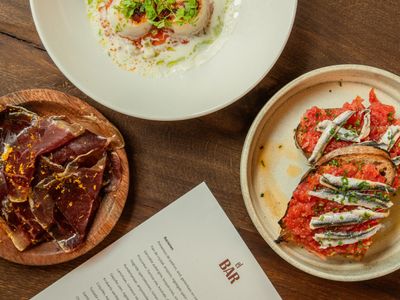
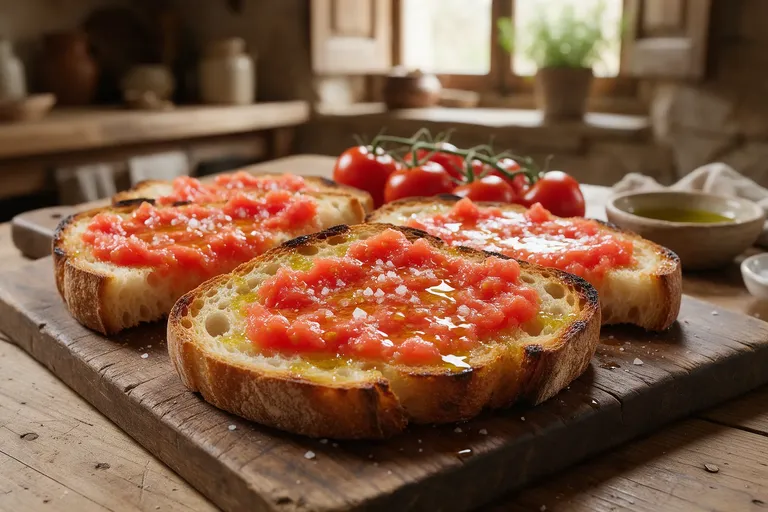
- El Bar, Noordeinde 165, The Hague. Traditional tapas, cured meats and cheeses; its menu includes croquetas, pan con tomate and chorizo in cider.
- Poster Bar by José, Royal Academy of Arts, 6 Burlington Gardens, London. José Pizarro's café, open 10am to 6pm according to its record, with chorizo al vino and quince among the small plates.
- ¡Ay Manuela!, Guanren Road, Siming District, Xiamen. Its record lists huevos rotos con chorizo, fried eggs broken over potatoes with chorizo.