Order in a Spanish restaurant outside Spain and sooner or later you hit a word that does not behave like Spanish. Pintxo has an x in the middle of it. Polbo looks like a typo for pulpo. Pa amb tomaquet uses different words for both bread and with.
None of it is a mistake. Spain has several languages, three of which have their own culinary vocabulary that has gone worldwide with the cooking. Knowing thirty words of it makes menus abroad far easier to read, and tells you something about where the kitchen's loyalties lie.
The short version of the language map
Castilian, which is what the rest of the world calls Spanish, is official across the whole country. Alongside it, Catalan is co-official in Catalonia, the Balearic Islands and, as Valencian, in the Valencian Community. Basque, or euskara, is co-official in the Basque Country and part of Navarre. Galician is co-official in Galicia. Asturian and Aragonese exist too, with different legal status and a much smaller footprint on restaurant menus.
Two pronunciation rules do most of the work:
- In Basque, tx is the ch of church. Pintxo is pin-cho, txakoli is cha-ko-LEE, txuleta is chu-LET-a.
- In Galician, x is a sh sound. Polbo a feira is POL-bo ah FAY-ra, queixo is KAY-sho.
Catalan on the menu
Catalan words tend to arrive in places that identify with Barcelona and the coast.
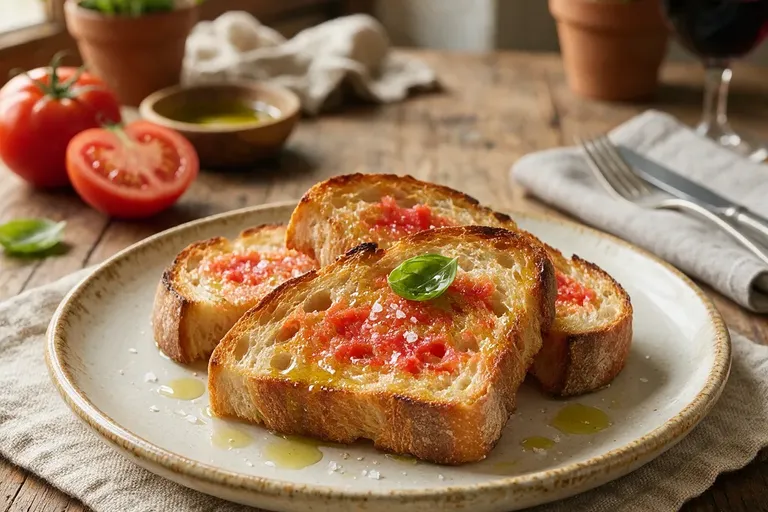
- Pa amb tomaquet, bread with tomato: bread rubbed with a cut tomato, olive oil and salt. Often written pan con tomate in Castilian.
- Escalivada: peppers, aubergine and onion roasted whole over embers, peeled and dressed with oil. The name comes from the Catalan verb for cooking in ashes.
- Calcots: long spring onions grilled black over vine cuttings, eaten in late winter with romesco sauce.
- Mar i muntanya, sea and mountain: the Catalan habit of putting seafood and meat in the same dish, like chicken with prawns.
- Crema catalana: custard under a burnt sugar crust, flavoured with lemon and cinnamon rather than vanilla.
Teleferic Barcelona in Palo Alto is named after a Catalan word itself. Its listing explains that the family's first restaurant, in Sant Cugat, had a toy cable car running across the room, and regulars started calling it the teleferic restaurant until the name stuck. Gaudim in Breda quotes the mountain-and-sea phrase directly in its own description.
Basque on the menu
Basque is not related to Spanish, and it has no known living relatives at all, which is why its words look so different.
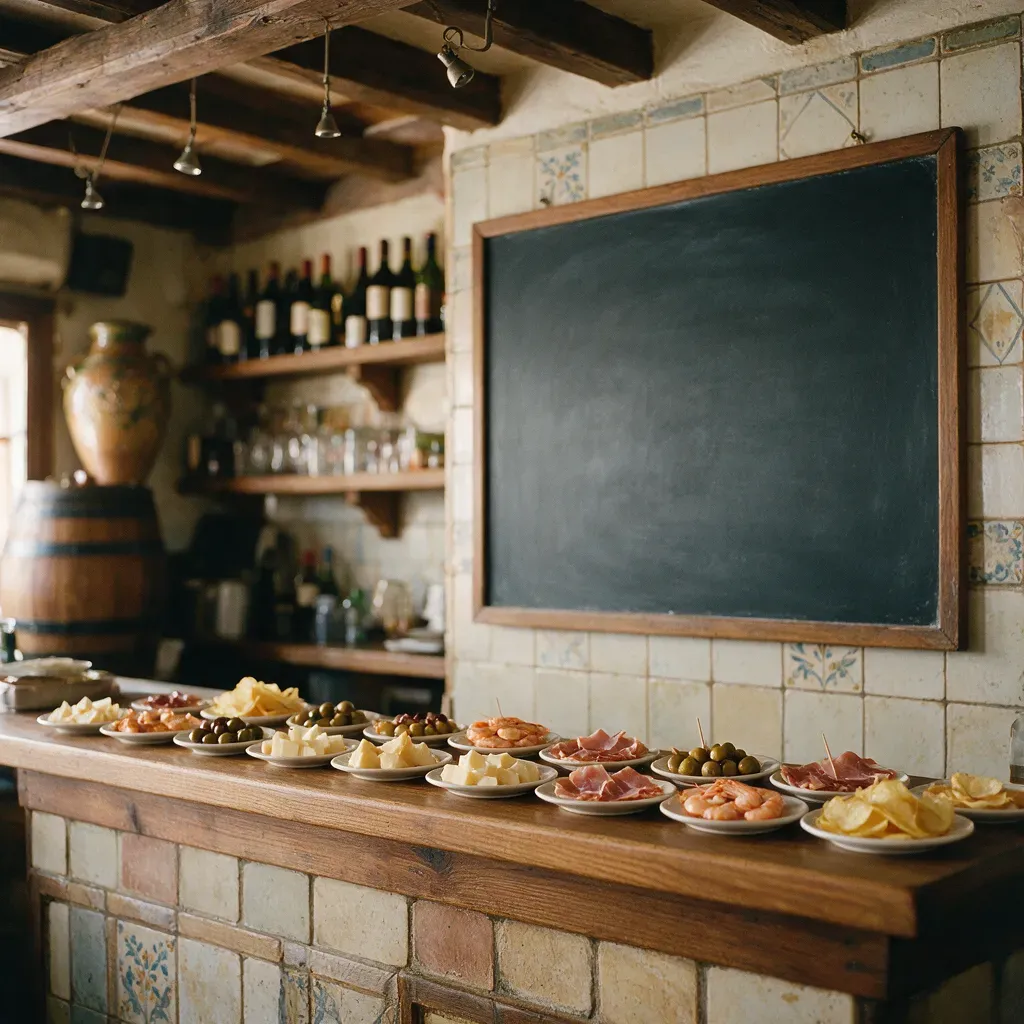
- Pintxo: a bar snack, usually on bread, often held together with a stick. Spelled pincho in Castilian.
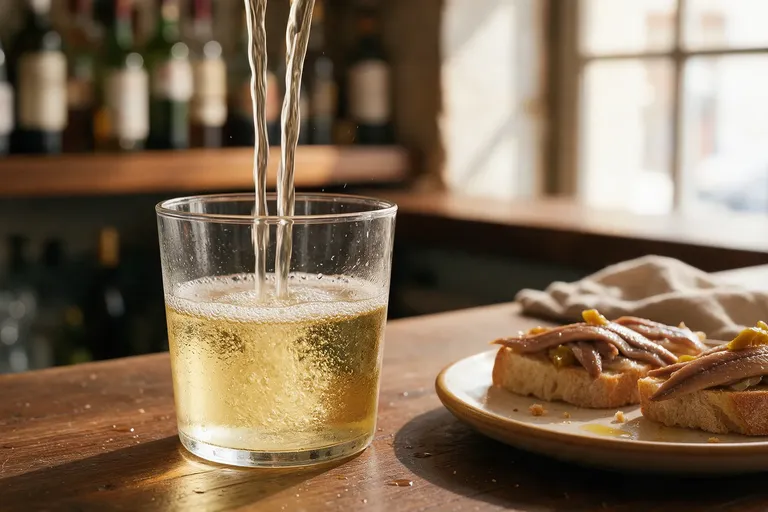
- Txakoli: the sharp, slightly fizzy white wine of the Basque coast, traditionally poured from a height into a wide glass.
- Txuleta: the aged bone-in beef chop cooked over coals. Chuleta in Castilian.
- Bacalao al pil-pil: salt cod in an emulsion made from nothing but the fish's own gelatin, olive oil and garlic, worked by shaking the pan.
- Gilda: anchovy, olive and pickled guindilla pepper on a stick, named after the Rita Hayworth film.
- Marmitako: tuna and potato stew, originally cooked on fishing boats.
Pintxito in Covent Garden keeps a drinks list its record describes as exclusively Basque, txakoli included, poured in three glass sizes so you can try several. Txikito in Chelsea, New York has been doing salt cod croquettes and txakoli poured from height since 2008.
Galician on the menu
Galician sits close to Portuguese, which is why its words often look half familiar.
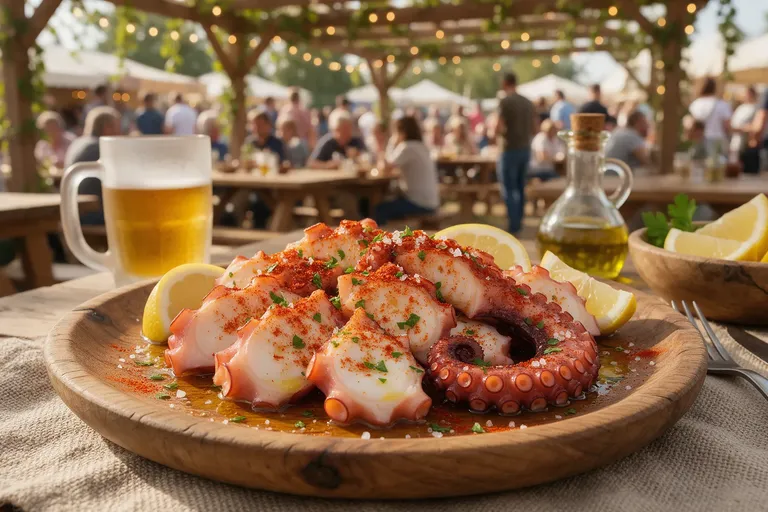
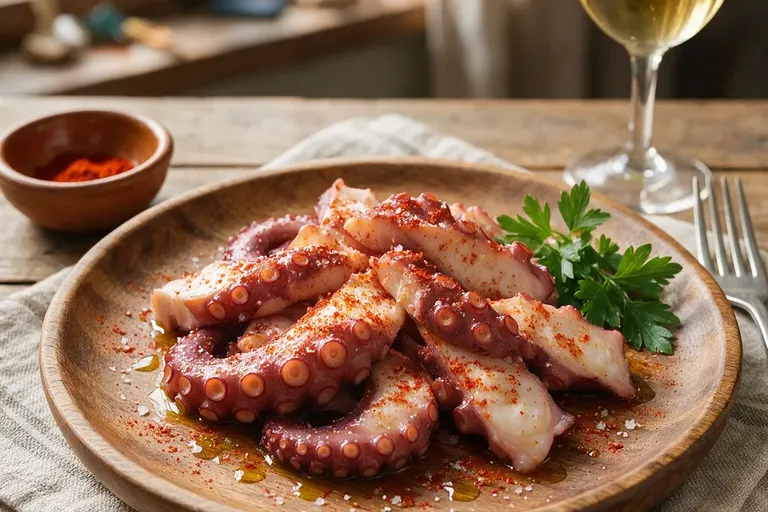
- Polbo a feira, fair-day octopus: boiled octopus cut with scissors onto a wooden plate with oil, coarse salt and paprika. On Castilian menus it becomes pulpo a la gallega.
- Empanada: in Galicia this is a large flat pie cut into squares, not a small folded turnover.
- Percebes: gooseneck barnacles, prised off Atlantic rocks at some risk and priced accordingly.
- Queixo tetilla: the soft cone-shaped cow's cheese. Queixo is cheese; queso in Castilian.
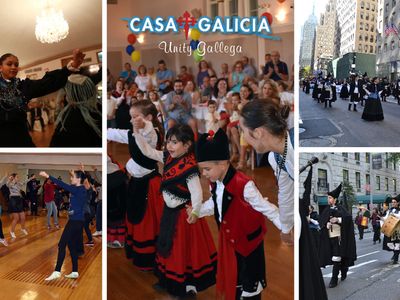
Tomino Taberna Gallega on Grand Street in New York lists pulpo a feira, almejas a la marinera, tortilla de Betanzos and pimientos de Padron as its centre of gravity. Also in New York, Casa Galicia in Astoria has been a Galician cultural centre since 1940, with the restaurant attached.
What the spelling tells you
A kitchen that writes pintxo rather than pincho, or polbo rather than pulpo, is making a small statement about where it is from. It is not a guarantee of anything. But it does mean somebody in the building cared enough to get the spelling right, and that is usually a decent sign.
If you are unsure how to say a word, ask. Nobody who has hung a txakoli sign over their bar minds explaining it.