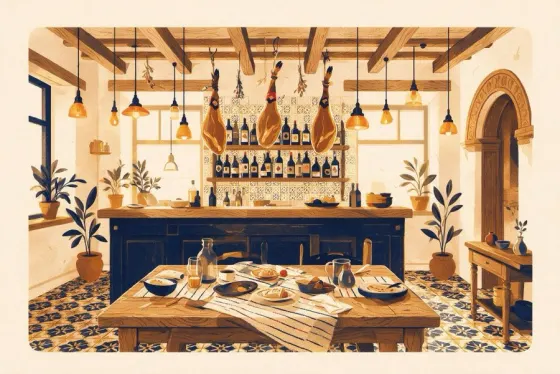
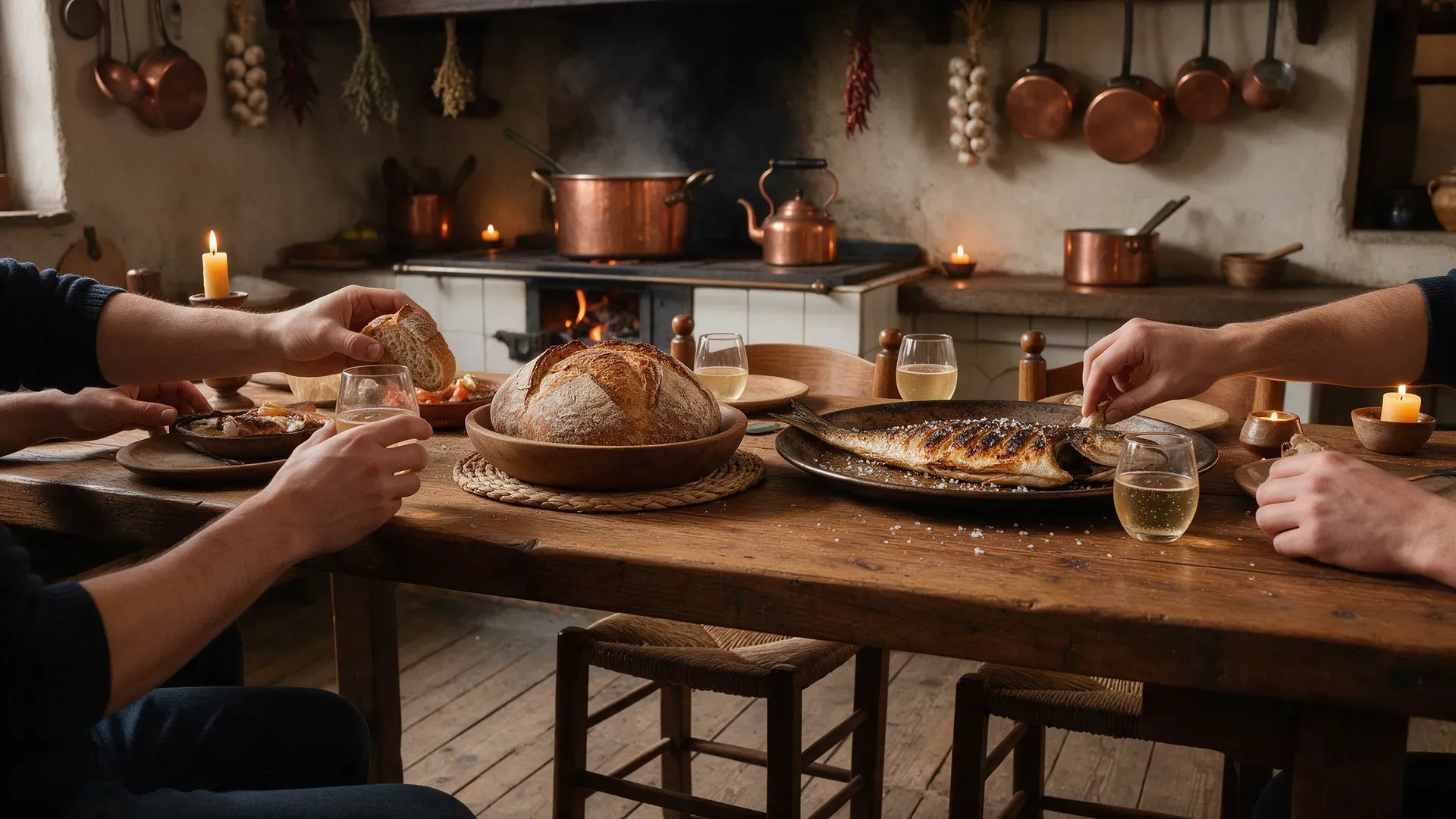
If you have never come across the word, txoko is pronounced "choco" and comes from zoko, Basque for a cozy corner. In the Basque Country it means something specific: a private club with a kitchen, where members cook for each other.
Txoko Jakarta took the name and, more usefully, the idea behind it.
What a txoko actually is
The clubs date to the 19th century and grew out of how seriously Basque people take cooking as a social activity rather than a profession. A txoko is a room with a long table and a well-equipped kitchen. Members book it, cook the meal themselves, and eat it with friends. Nobody is served in the restaurant sense. The food is home cooking made with local ingredients, and modern technique gets used where it helps rather than avoided on principle.
They are still everywhere across the Basque Country. For a long time many were men-only, which is the part of the tradition that has changed most since.
How that translates to Senopati
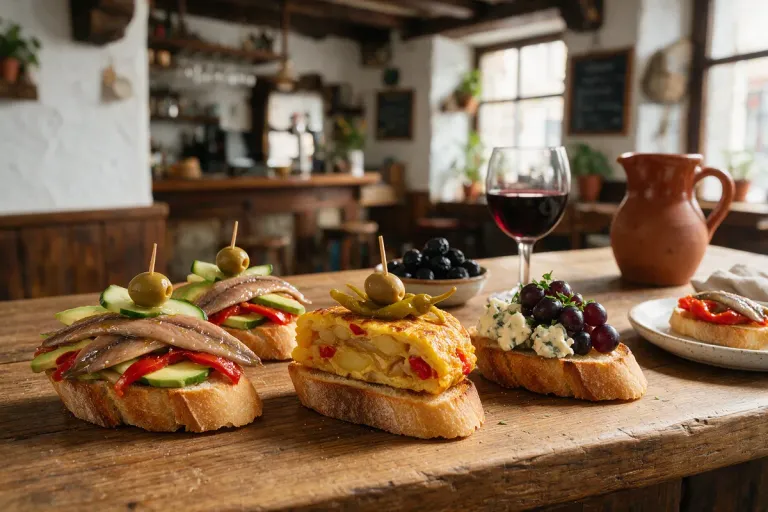
A restaurant cannot be a members' club, so what carries over is the atmosphere and the cooking, not the membership. The restaurant's own line for it is that friends cook for friends. In practice that means Basque dishes treated with care, a room built for groups rather than for quiet couples, and a private room for the business lunches that South Jakarta runs on.
It sits on Jl. Suryo in Senopati, in South Jakarta, which is where most of the city's newer restaurant openings land. The kitchen works from the Basque tradition and uses modern presentation, which is exactly the balance a real txoko strikes.
Why Basque cooking travels well
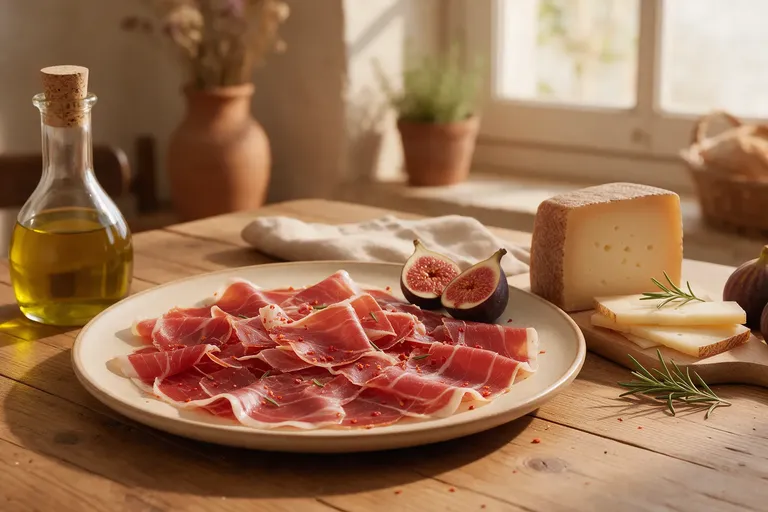
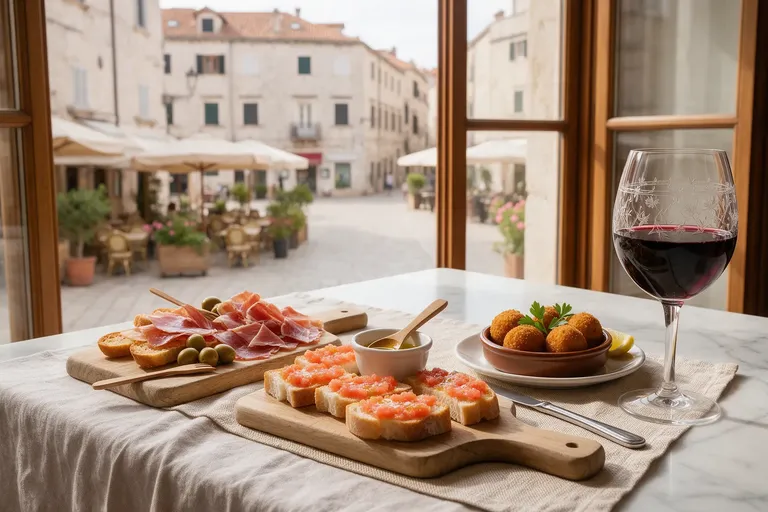
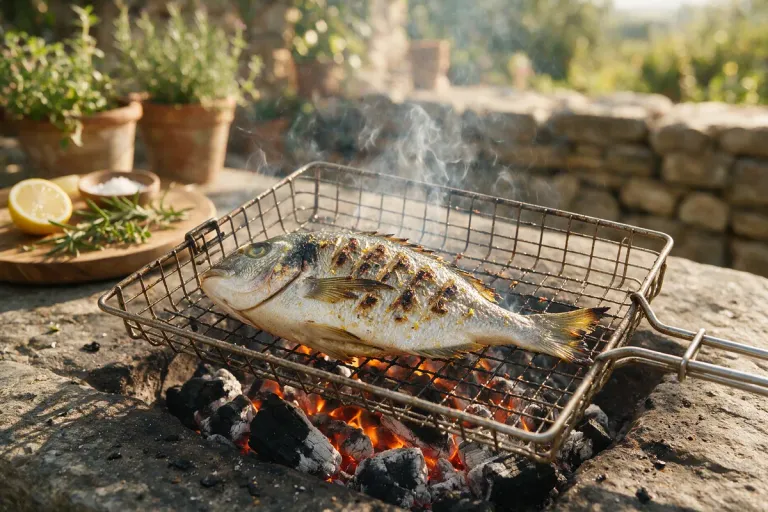
Basque food is built on good raw material handled simply. Grilled fish, a good piece of meat cooked over coals, vegetables in season, and small plates eaten standing up. That last category, pintxos, is the one most people meet first abroad, and it is often confused with tapas. We covered the difference in pintxos vs tapas.
None of it depends on a long ingredient list, which is why the style survives a 12,000-kilometre move better than, say, a regional stew built on one specific cured sausage.
Spanish food elsewhere in Indonesia
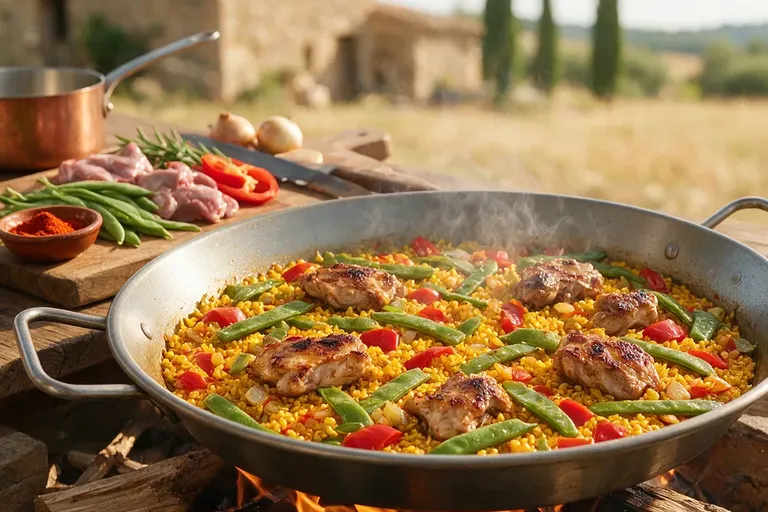
Jakarta's other Spanish option in our directory is Plan B, open since April 2012 in Permata Senayan, with Chef Antonio Hernández cooking across the regions: tapas, paellas, suckling pig, chuletón, plus Spanish wines and cava.
In Bali the listings run to the coast, as you would expect. Pescado Bali in Pererenan, near Canggu, is a seafood and tapas place whose speciality is paella, and Akua de Bilbao does modern Spanish cooking and wine in Jimbaran Bay.
If you're going
Txoko Jakarta is at Jl. Suryo No. 6, Rawa Barat, Kebayoran Baru, South Jakarta. Go with a group. The whole logic of a txoko is several people around one table ordering more than any of them needs, and a restaurant built on that idea rewards it. The rest of the country's listings are on our Indonesia page.