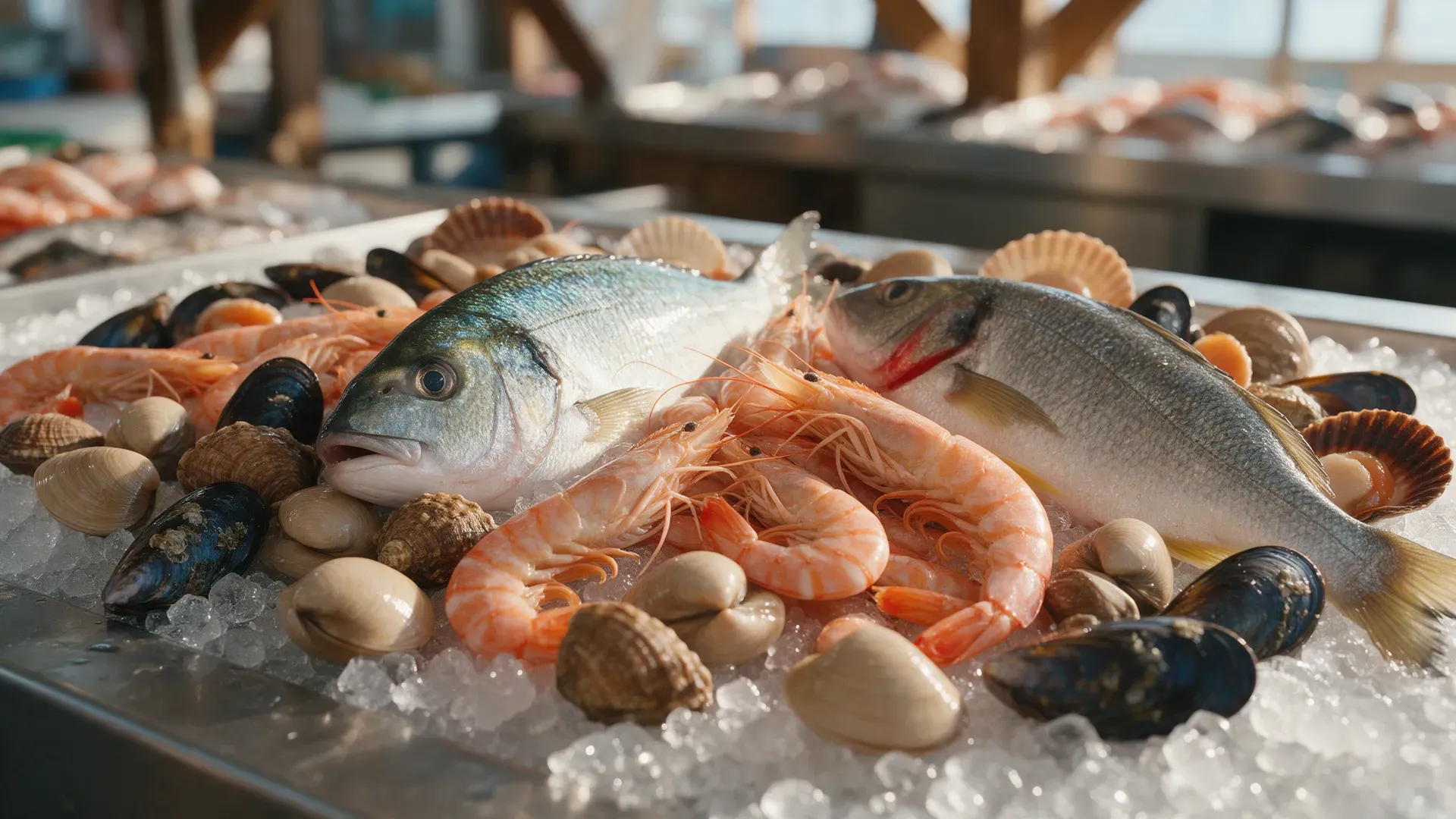
Walk into a seafood restaurant on the Galician coast or on a Thai beach road and the first step is often the same: you look at what came in that day, you choose, and it is weighed. The cooking styles, sauces and side dishes are different, but the logic of buying fish by weight is shared. Here is how each works and what to watch for.
The Spanish marisquería
A marisquería is a restaurant or bar that specialises in shellfish (marisco). They are closely associated with Galicia but are found all along the Spanish coast and in inland cities too. Shellfish and whole fish are often priced per kilo or per 100 grams, and some menus print S/M, short for según mercado, meaning the price depends on the market that day.
The cooking is usually simple, so the product carries the dish:
- Cocido: boiled in salted water, the usual treatment for crabs and many prawns.
- A la plancha: seared on a hot flat griddle, common for prawns, razor clams and scallops.
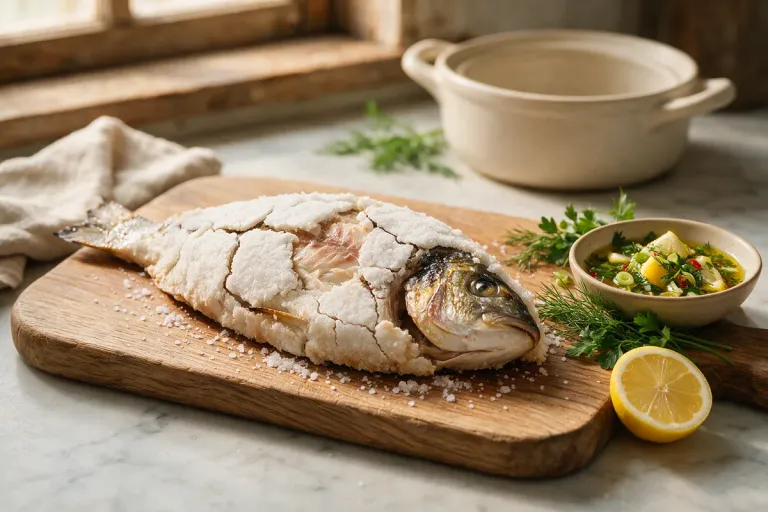
- A la sal: a whole fish baked under a thick salt crust, cracked open at the table.
- A la parrilla: grilled over coals, as on the Basque coast around Getaria, where whole fish is cooked on grills outside the restaurants.
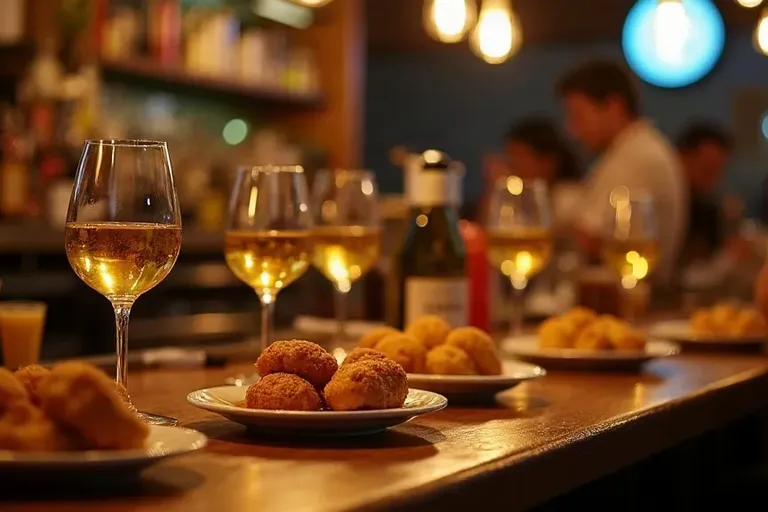
A mariscada is a mixed shellfish platter for the table. Bread, a simple salad and a white wine are the usual companions.
The Thai seafood restaurant
Thai seafood restaurants, from beachfront places to large halls in Bangkok, often display the catch on ice or keep it live in tanks, priced by the kilo. You choose the fish, prawns, crab or shellfish, then choose how it is cooked. Common choices include:
- Pla nueng manao: whole fish steamed and dressed with lime, garlic and chilli.
- Goong pao: large prawns grilled in the shell.
- Poo phad pong karee: crab stir-fried with curry powder and egg.
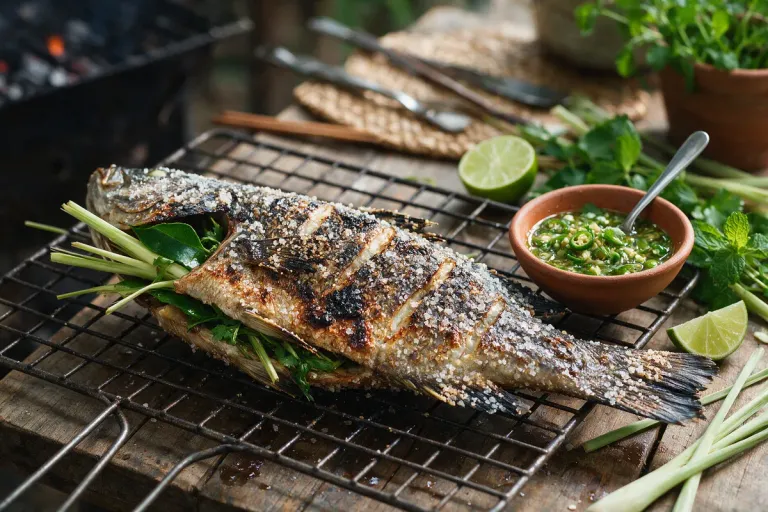
- Pla pao: a whole fish, stuffed with lemongrass and herbs, coated in salt and grilled over charcoal.
Grilled and steamed seafood usually comes with nam jim seafood, the sharp lime, chilli and garlic dipping sauce we compared with alioli in Alioli, Romesco and Nam Jim. Rice comes on the side, and dishes are shared.
Two salt crusts
The closest match between the two kitchens is the salt crust. Spanish pescado a la sal buries a whole fish such as sea bream or sea bass in salt and bakes it; the crust keeps the fish moist and is cracked off before serving. Thai pla pao coats the skin in salt and grills the fish over charcoal, with the cavity stuffed with herbs. In both cases the salt layer is not eaten, and the fish underneath should not taste heavily salted.
The difference is what happens next. In Spain the fish is usually served with olive oil and little else. In Thailand it is eaten with herbs, vegetables and a dipping sauce.
How to order seafood by weight
- Ask the price per kilo, and ask the weight of the piece you chose, before it is cooked. This applies in both countries.
- S/M on a Spanish menu is normal, not a warning sign, but it means you should ask.
- For a whole fish, ask how many people it serves.
- If you want it simple, say so: a la plancha in Spain, nueng manao in Thailand.
Where to try Spanish seafood abroad
- MoVida Next Door, Melbourne: the record describes local seafood displayed on crushed ice and cooked to order, and shellfish a la plancha.
- Porto, Chicago: inspired by the Atlantic coast of Portugal and Galicia, with wild-caught imported seafood and tinned seafood.
- Xiquet by Danny Lledó, Washington DC: the Valencian tasting menu often features red prawn from Dénia. Our Xiquet spotlight has more.
- La Salada, Rawai, Phuket: paellas, tapas and fresh seafood dishes made with local ingredients; the listing suggests booking the black paella ahead.
For prawns specifically, see Gambas and Goong.