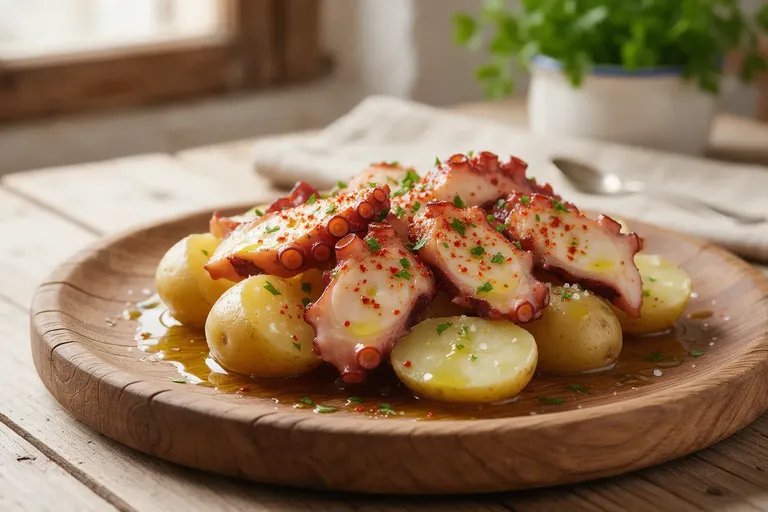
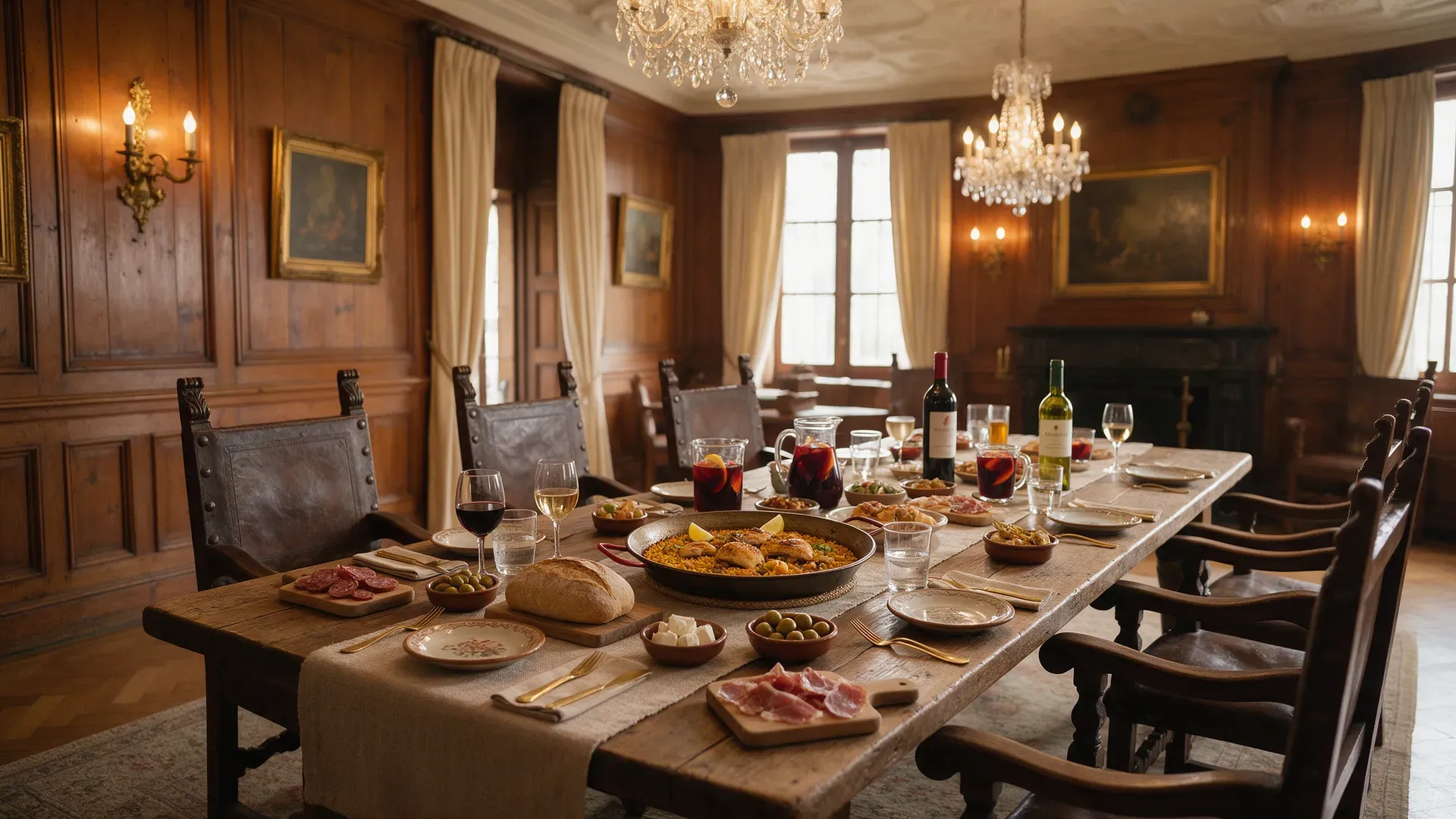
Wherever Spaniards emigrated in large numbers, they built clubs for each other, and many of those clubs had a kitchen. A few Spanish restaurants abroad still sit inside clubs like these. This post covers who left Spain, where they went, and where you can still eat in that tradition.
Who left, and where they went
From the late 19th century well into the 20th, large numbers of Spaniards emigrated to the Americas. Argentina and Cuba took many of them, and Galicia and Asturias, in the north-west, sent a large share. In Argentina so many arrivals were Galician that "gallego" became everyday slang for any Spaniard.
Asturians went in large numbers to Cuba and Mexico. Those who came home rich were called indianos, and the grand houses they built in their home villages are still a feature of the Asturian landscape.
Then came politics. After the Spanish Civil War ended in 1939, Mexico, under President Lázaro Cárdenas, took in thousands of Republican exiles. In the 1950s and 1960s a new wave of Spaniards left for work in France, Germany and Switzerland.

Centros, casas and clubs
Wherever emigrants settled in numbers, they set up associations, often by home region. The Centro Gallego in Buenos Aires and the Centro Asturiano in Havana are two of the best-known examples. Clubs like these offered mutual aid, dances, festivals and a place to speak your own language or dialect.
Food was part of it. A club with a kitchen could serve the dishes members missed from home. Today some of these clubs have restaurants that describe themselves as open to visitors; Casa Galicia's listing calls it a gathering place for locals and visitors.
Food also moved beyond the clubs. Bacalao a la vizcaína, a salt cod dish named after the Basque province of Biscay, is now a Christmas Eve dish in many Mexican homes.
Before you go
Every club is different, so check two things before you go: whether the restaurant takes non-members, and when it is open. The two Queens restaurants below, for example, list hours on only some days of the week.
Where to find them today
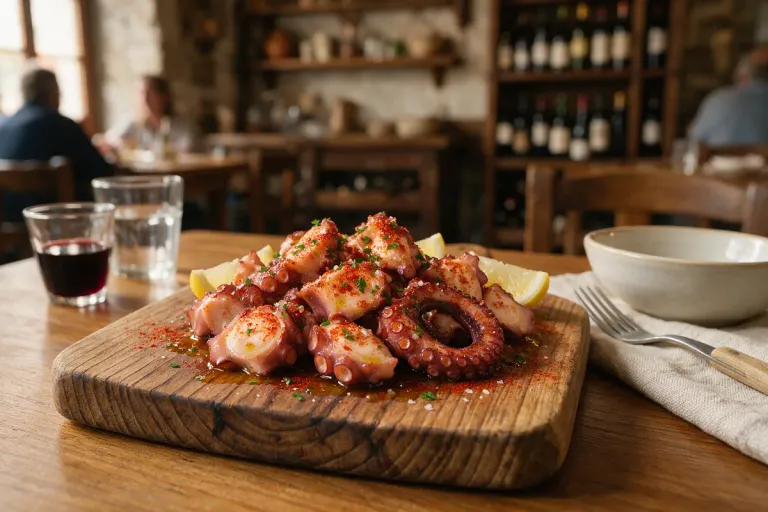
Several places in our directory come from this tradition, or describe themselves as gathering points for a local Spanish community:
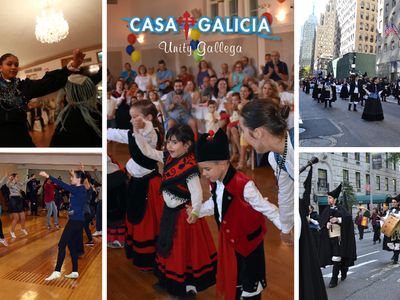
- Casa Galicia, Astoria, New York. A Galician cultural centre founded in 1940 to preserve and promote Galician heritage. Its restaurant serves Galician and Spanish food, including tapas and seafood.
- Centro Español de Queens, Long Island City, New York. A restaurant inside the Centro Español, serving tapas, main dishes and homemade desserts. Listed hours are Thursday to Sunday.
- El Pimentón, Guatemala City. A Spanish restaurant inside the Club Español de Guatemala.
- Pajares Salinas, Bogotá. A traditional Spanish restaurant founded in 1953 by Spanish immigrants.
- Casa Diego, Phnom Penh. A tapas bar that describes itself as a meeting point for the Spanish community in Cambodia.
For a weekend built around the two New York clubs, see our New York Spanish social clubs guide. For the food a Galician centro is likely to serve, see Galician food explained.