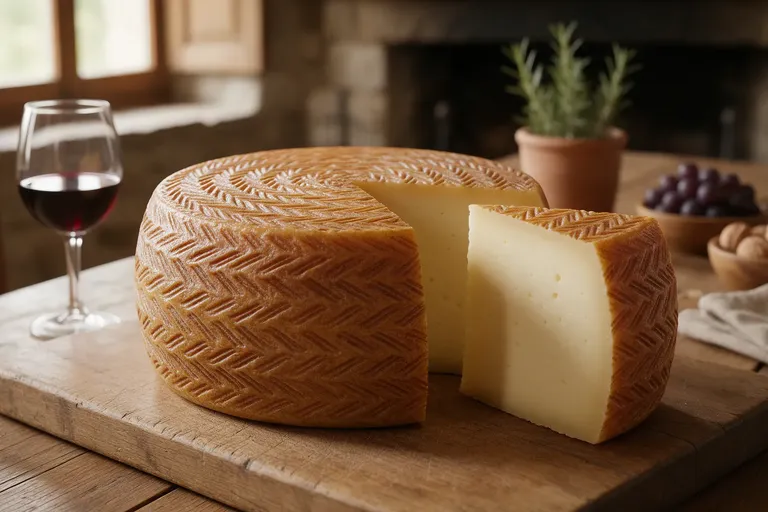
Castilla-La Mancha is the large, dry region south of Madrid. Its five provinces are Toledo, Ciudad Real, Cuenca, Guadalajara and Albacete. Most people know it through Cervantes, whose Don Quixote comes from "a village in La Mancha", and through two products we've already covered: Manchego cheese and La Mancha saffron. This post is about the rest of the table.
Shepherds' food: migas, gachas and pisto
Much of La Mancha's traditional cooking comes from shepherds and farm workers, so it relies on bread, flour, olive oil, garlic and pork.
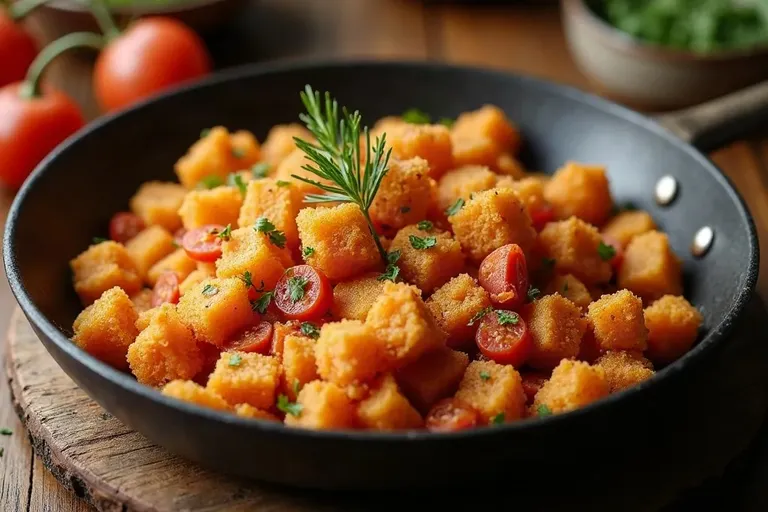
- Migas manchegas. Day-old bread, crumbled and fried slowly in olive oil with garlic, usually with pork such as chorizo or panceta.
- Gachas manchegas. A thick, savoury porridge made with flour from almortas (grass peas), cooked with garlic, pimentón and pork. It's winter food, traditionally eaten straight from the pan.
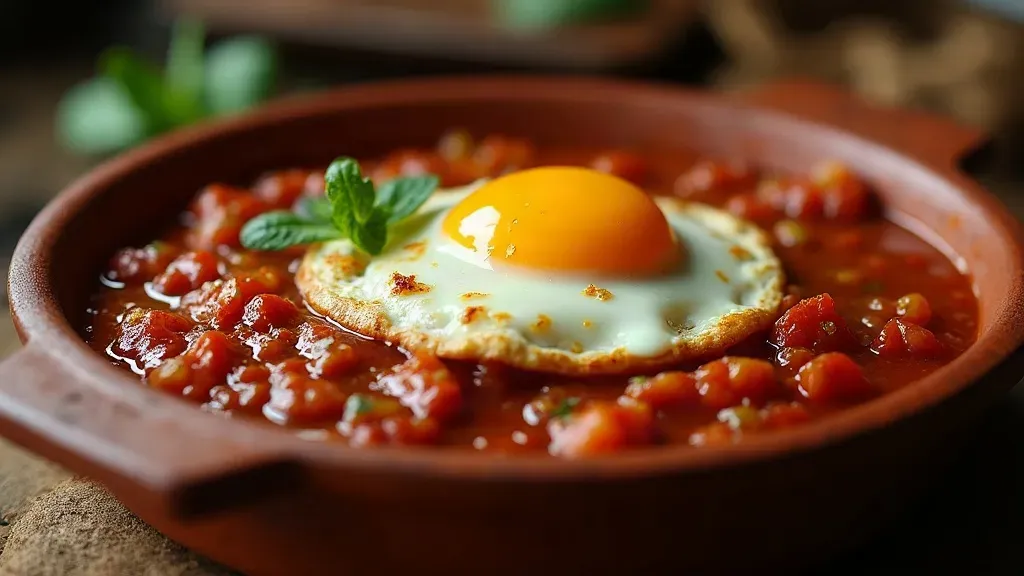
- Pisto manchego. Tomato, peppers and onion, often with courgette, stewed slowly in olive oil. It's often served with a fried egg on top.
Don Quixote's Saturday dish
The first chapter of Don Quixote lists what the knight ate during the week. On Saturdays it was duelos y quebrantos, which translates as "griefs and breakages". Scholars have argued about what exactly Cervantes meant. Today the name is used for eggs scrambled with chorizo and bacon, and you'll see it on menus in the region.
Game, salt cod and pickles
- Perdiz. Partridge is a classic of Toledo, usually stewed. Perdiz a la toledana is cooked with wine, garlic, onion and bay.
- Morteruelo. A spiced, spreadable pâté from Cuenca made from game and pork liver, eaten with bread.
- Atascaburras. From Albacete and Cuenca: salt cod mashed with potato, garlic and olive oil, sometimes topped with walnuts or hard-boiled egg.
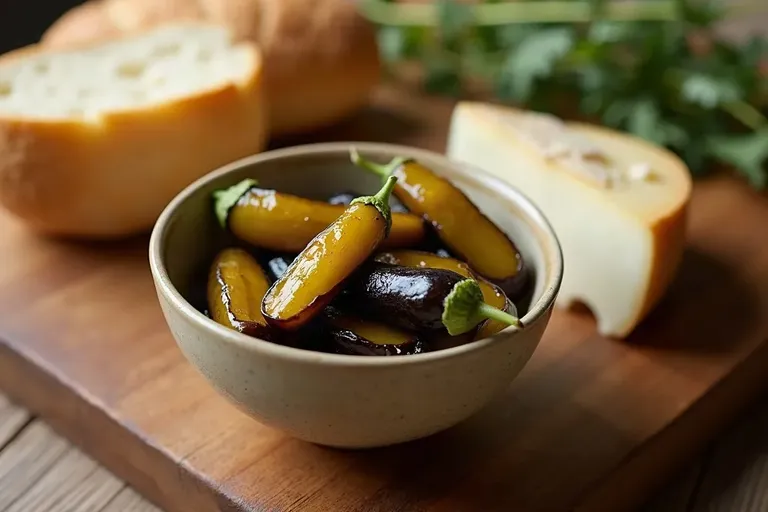
- Berenjenas de Almagro. Small aubergines from the Almagro area of Ciudad Real, pickled with vinegar, garlic, cumin and pimentón. They have their own protected geographical indication, and you'll often find them on a tapas counter, held together with a stick of fennel.
Sweets and wine
Toledo is famous for mazapán, marzipan made from almonds and sugar, which has protected status as Mazapán de Toledo. It's especially popular around Christmas.
La Mancha is one of the largest wine regions in Europe by vineyard area. The white grape Airén has long been planted widely there. The local name for Tempranillo is Cencibel, which our Tempranillo guide explains. The DO La Mancha and DO Valdepeñas are the two best-known wine names from the region.
Where to find a La Mancha connection abroad
These restaurants in our directory mention a link to the region or its products in their records:
- La Loca María, Mumbai: Chef Manuel Olveira Seller is originally from Toledo.
- Casa de Fujimori, Yokohama: its logo is a tribute to Sancho Panza, Don Quixote's squire.
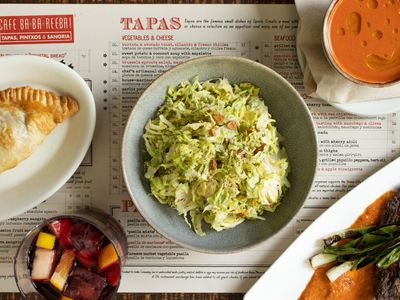
- Cafe Ba-Ba-Reeba!, Chicago: traditional tapas and seasonal dishes, with Manchego cheese among them.
- Chotis en Ávila, San Juan, Puerto Rico: traditional Spanish cooking with many Manchego products.