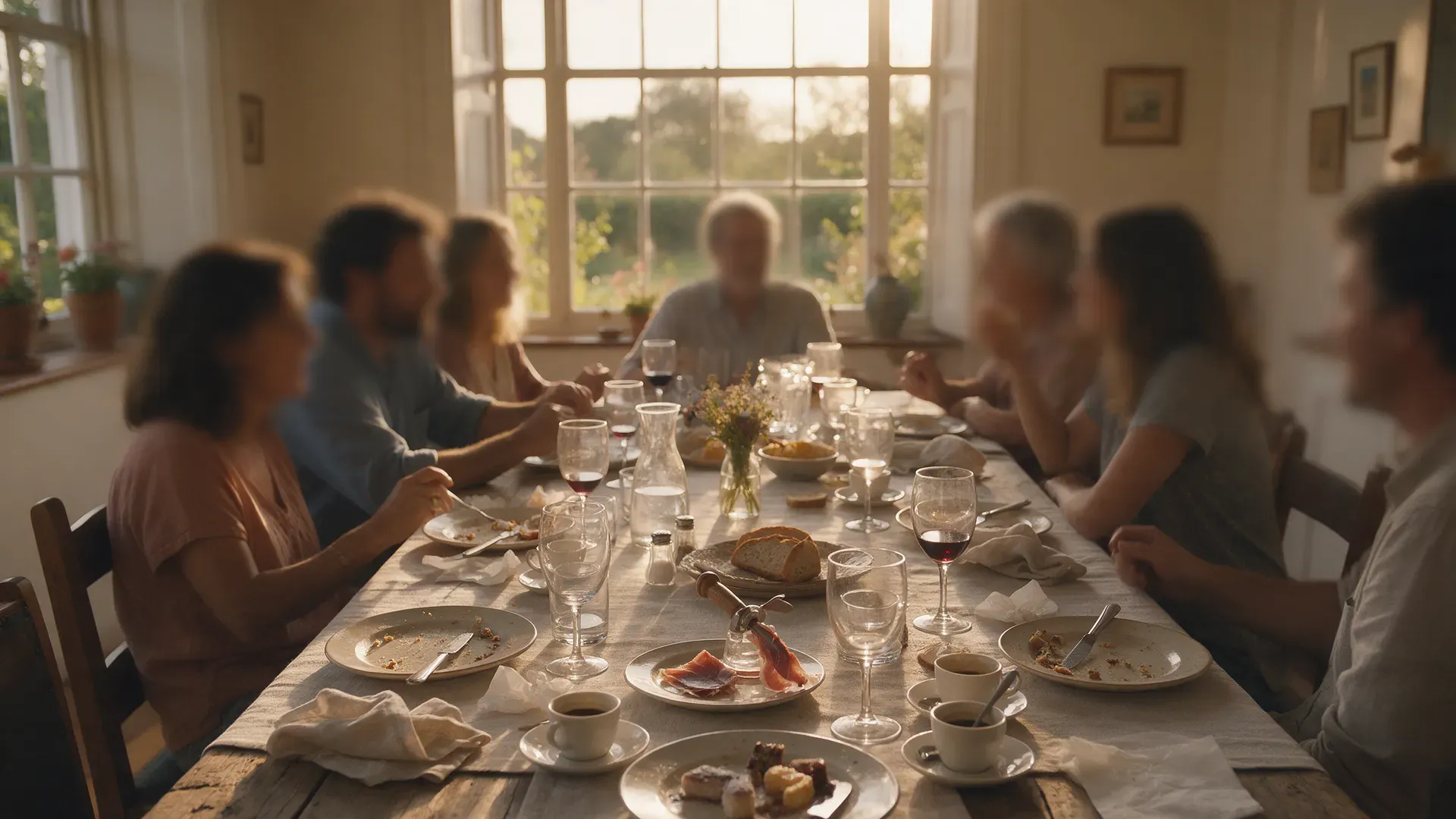
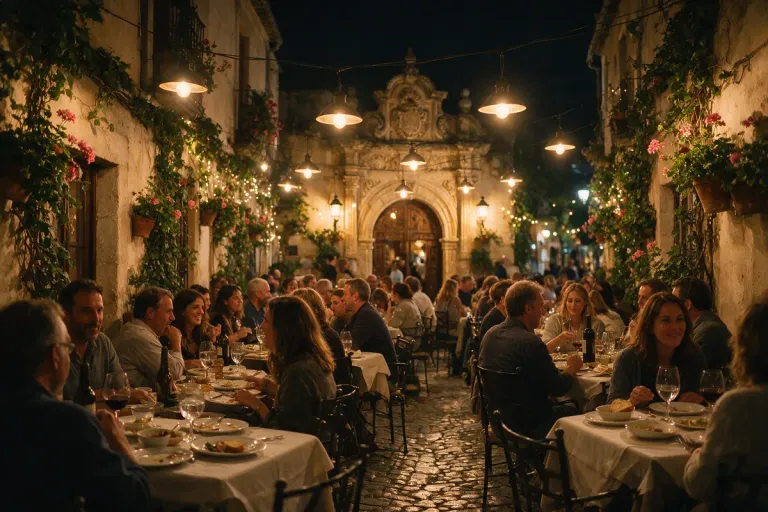
Visitors to Spain notice it on the first night. At eight in the evening the restaurants are empty. By ten they are full, and families with children are still arriving. Spanish meal times are not random. They follow a daily structure that is quite different from most of Europe, Asia or North America.
The Spanish eating day
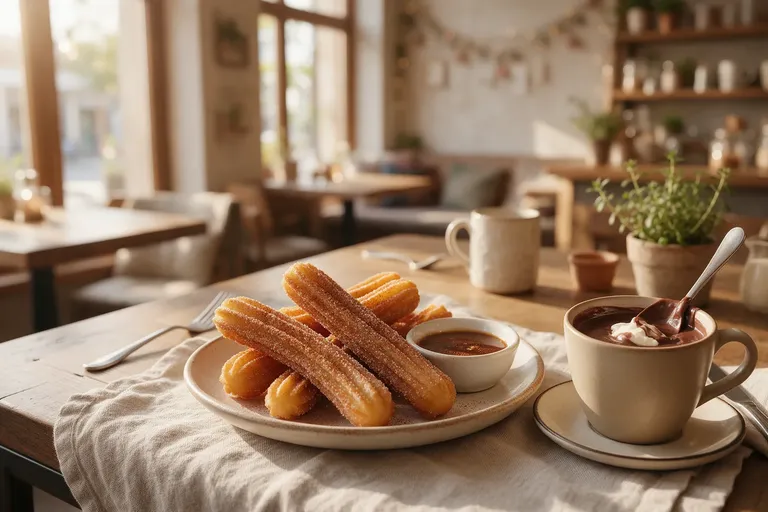
- Desayuno (breakfast) is light: coffee with toast, a pastry, or churros on a weekend.
- Almuerzo or a mid-morning snack. Around eleven, many people stop for a coffee and a small sandwich or a slice of tortilla. In some regions, almuerzo means this snack. In others, it means lunch.
- Comida, the main meal of the day, usually from about 2pm to 3.30pm.
- Merienda, an afternoon snack in the early evening, especially for children.
- Cena (dinner), often at 9pm or 10pm, sometimes later in summer or on weekends. It is usually lighter than lunch.
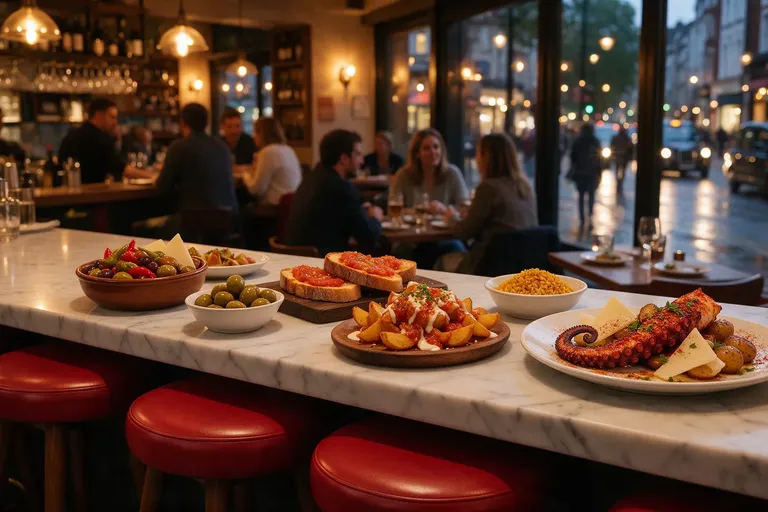
Tapas fit between these meals. A drink and a small plate before lunch or before dinner is common, and in some cities a round of tapas bars replaces dinner altogether.
Lunch is the big meal
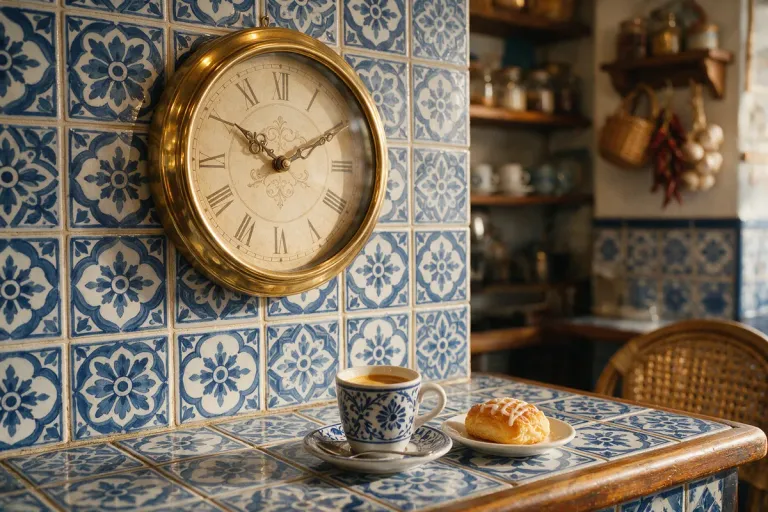
The main change for most visitors is that lunch, not dinner, is the important meal. On weekdays many restaurants offer a menú del día: a fixed-price lunch with a first course, a second course, dessert or coffee, bread and a drink. Weekend lunches with family can go on for hours.
That long time at the table after the food is finished has its own word, sobremesa. It means staying seated to talk over coffee or a drink once the plates are cleared. Nobody expects the table back quickly, and in Spain a waiter usually will not bring the bill until you ask for it.
The clock is part of the answer
Geography explains some of the lateness. Most of mainland Spain lies on roughly the same longitudes as the United Kingdom and Portugal, and much of the country is west of the Greenwich meridian. By location, it would naturally sit in the same time zone as London.
In 1940, though, Franco's government moved Spain's clocks forward to Central European Time, the zone used by Germany and France. Spain has stayed there ever since. As a result, the sun rises and sets later by the clock than it would under Greenwich time. A 2pm lunch and a 9pm dinner are less extreme in solar terms than they look on a watch. The Canary Islands run an hour behind the mainland.
Whether Spain should move back to Greenwich time has been debated in Spanish politics for years. So far nothing has changed.
The time zone is not the whole story. The long midday break, the heat of southern summers and the habit of eating out late all play a part. But the clock is one reason Spanish evenings seem to start so late to visitors.
What this means at Spanish restaurants abroad
Spanish restaurants outside Spain almost always adjust to local hours. A tapas bar in London or Bangkok that fills up at 7pm is not less authentic. It is serving people who eat at 7pm. A few habits do carry over, and knowing them helps:
- Tapas are made for sharing and for ordering in rounds. You do not have to order everything at once. Our tapas etiquette guide goes into more detail.
- If a restaurant offers a set lunch, that is often the best-value way to eat there, just as with the menú del día in Spain.
- Staff trained in Spain may leave you alone at the end of a meal. That is sobremesa manners, not slow service. Ask for the bill when you are ready.
- Spanish breakfast and brunch have their own traditions, covered in our piece on Spanish breakfast abroad.
If you want to eat on Spanish time wherever you are, book a late table, start with a drink and a few tapas, and do not rush to leave.
Eating on Spanish time abroad
- Boqueria Seaport in Boston serves bar bites until midnight at weekends.
- Lolo on Bermondsey Street in London runs from weekend breakfasts to late-night dinners.
- Brindisa South Kensington covers family lunches, late suppers and an aperitivo on the terrace.