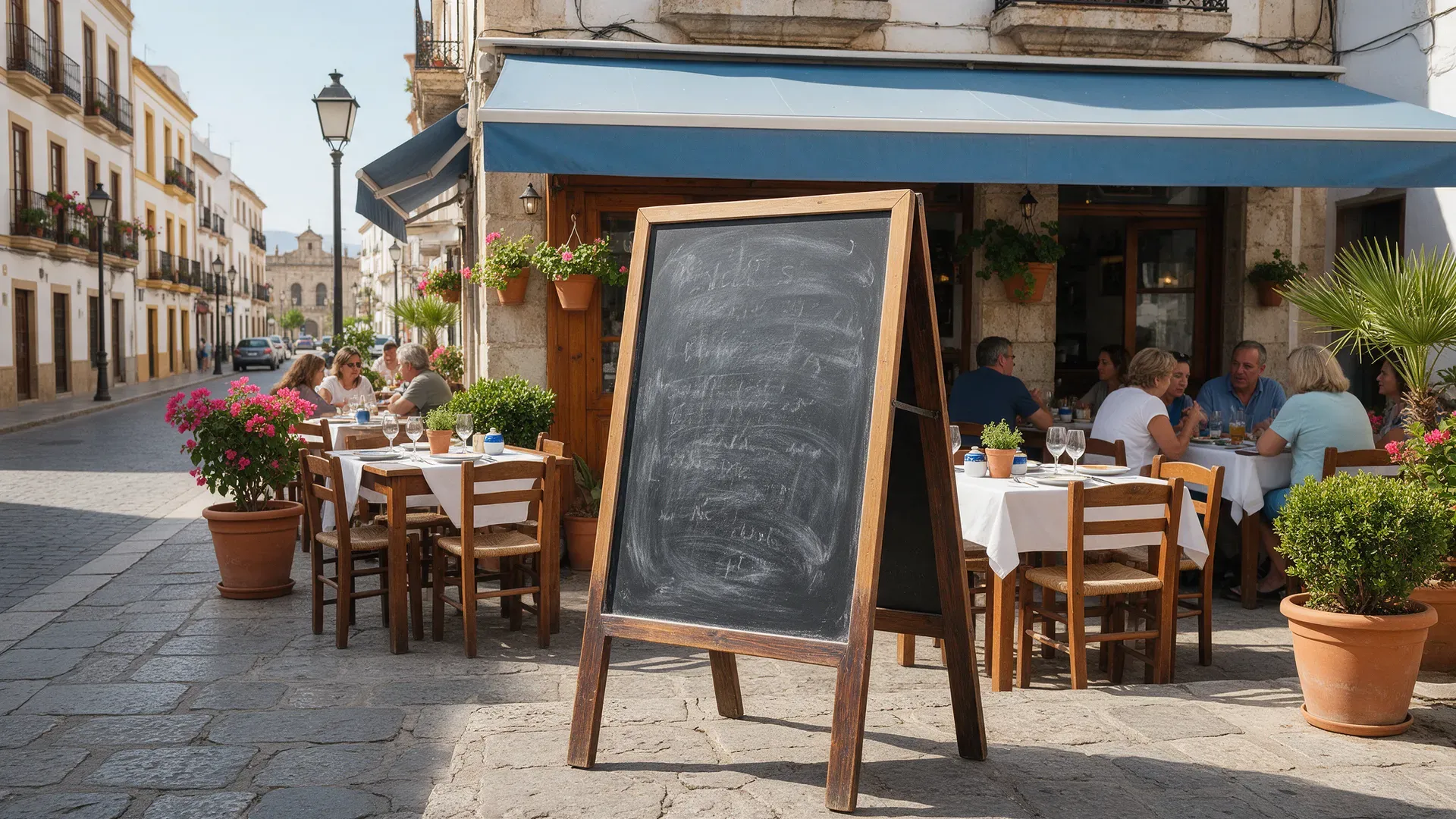
Walk past almost any bar-restaurant in Spain on a weekday around 1:30 and you'll see a chalkboard or a printed sheet by the door headed "Menú del día." It is the main meal of the working week for a lot of people, and it's one of the most useful things a visitor can learn to read.
What you get
The structure is nearly always the same, even if the dishes change daily:
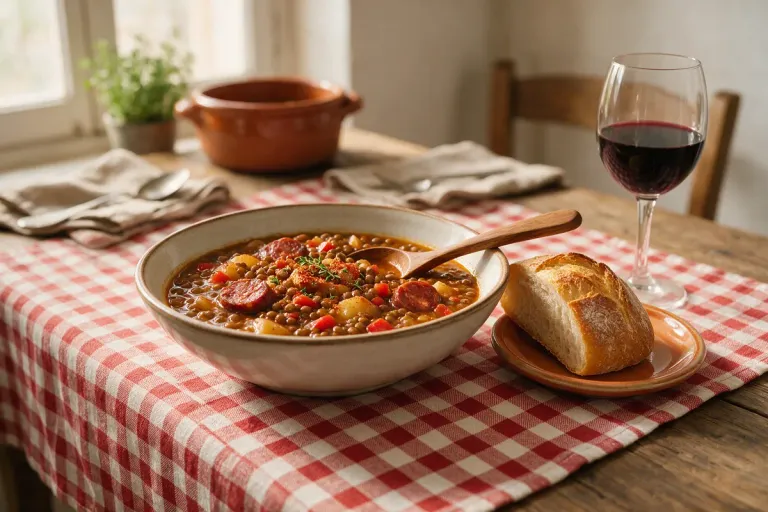
- Primer plato: the first course, a choice of three or four. Salads, soups, pasta, vegetables or legumes such as lentejas.
- Segundo plato: the main, again a short choice, usually meat or fish.
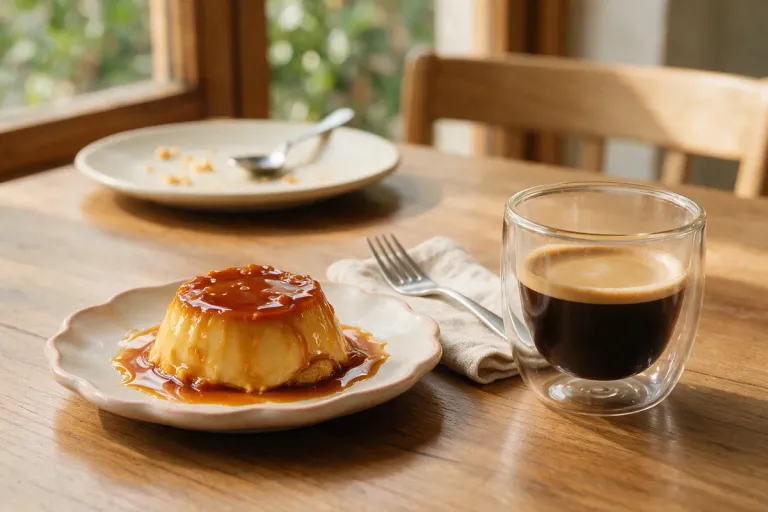
- Postre o café: dessert or coffee. Think flan, natillas, fruit or yoghurt.
Bread and a drink are included: water, a soft drink, beer or a glass (sometimes a bottle) of house wine. You pay one fixed price for the lot, and it is almost always cheaper than ordering the same dishes from the carta, the regular menu.
Where it came from
The menú del día is usually traced to the menú turístico, a fixed-price meal the Franco government's tourism ministry required restaurants to offer in the 1960s, when mass tourism to Spain was starting. The idea was a cheap, predictable meal visitors could count on. The tourist label faded, but Spanish workers kept the format, and it settled into what you see now: a weekday lunch for locals first.
Why it fits the Spanish day
Lunch is the big meal in Spain, and it is eaten late, often between 2 and 3:30 in the afternoon. Our piece on Spanish meal times covers why. A two-course lunch with wine only makes sense because dinner comes much later and is lighter. The menú del día is built for that rhythm: substantial, quick to serve, and priced for people eating out every workday.
Home-style food does well on it too: stews, legumes and dishes like cocido madrileño are menú del día regulars.
How to order it
- Ask for "el menú" when you sit down. The waiter will recite or point to the choices.
- Pick one primero and one segundo. Nobody minds if two people at the table share nothing.
- It is usually weekday lunch only. Weekends and evenings often have a pricier menu or none.
- Coffee may replace dessert rather than come with it. Check the board.
- Some places only serve the menú in the dining room, not at the bar or on the terrace.
The menú del día abroad
Spanish restaurants outside Spain rarely run a true menú del día, because the price only works with Spanish lunch habits and a steady flow of regulars. What you will find is the set lunch under other names: lunch specials, two-course deals, or a fixed-price midday menu. When a Spanish place abroad does offer a daily menu with a primero, a segundo and dessert or coffee, it is a good sign the kitchen cooks the everyday food, as well as the tapas-bar favourites.
Don't mix it up with the menú degustación, the tasting menu, which is a long, expensive run of small courses and a completely different meal.
A set lunch in the Spanish style
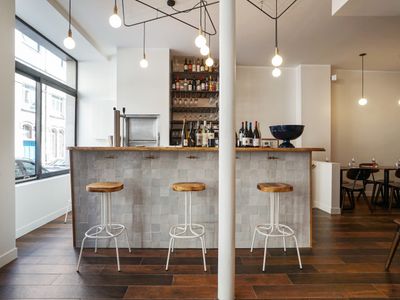
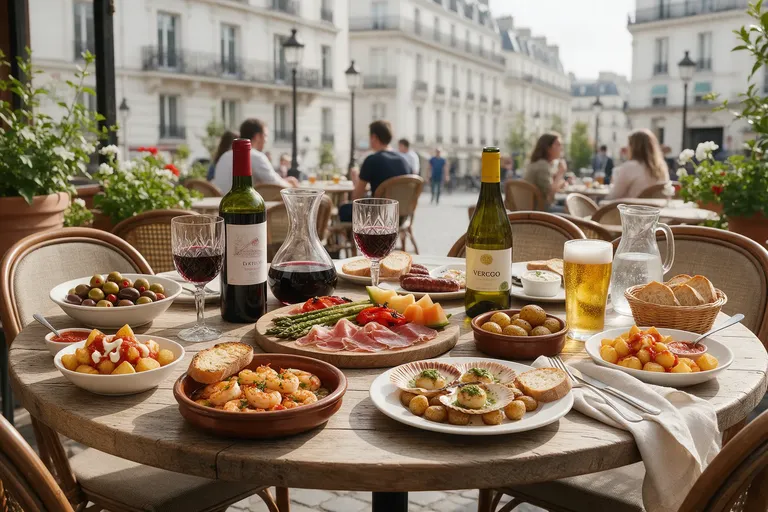
Galerna in Paris is one example in our directory: a chef from La Rioja serves northern Spanish small plates and a midday menu built on what the market has that day.