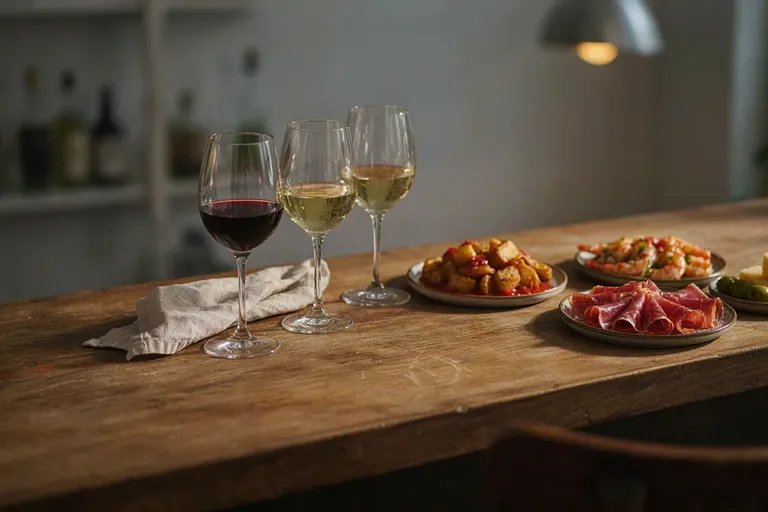
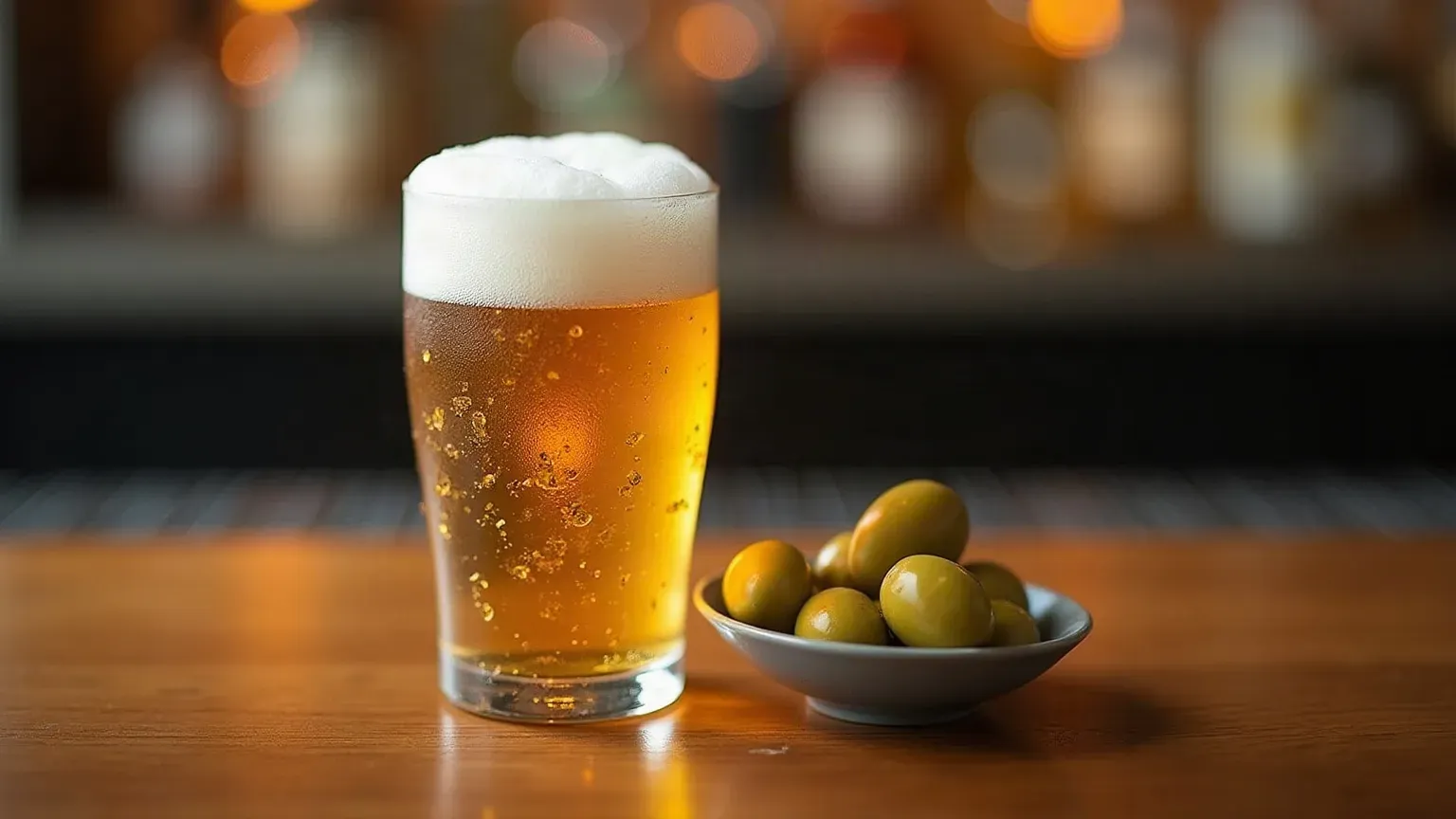
Spanish restaurants abroad sell themselves on wine, sherry and vermouth, so it surprises some diners that in Spain itself the everyday drink in a bar is beer. The country drinks more beer than wine by volume, and a great deal of the tapas culture that gets exported runs on small glasses of cold lager. Knowing the vocabulary makes ordering easier at home and abroad.
The sizes
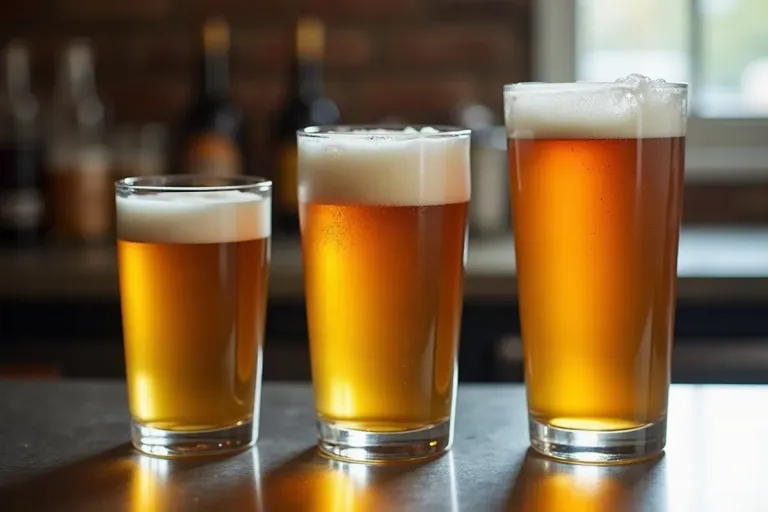
Spanish bars pour beer in a set of named measures. The exact millilitres vary by region and by bar, but the hierarchy is consistent:
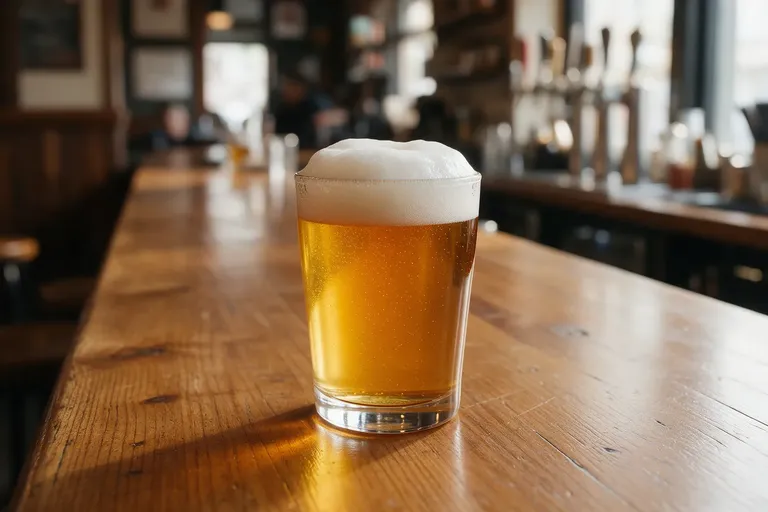
- Caña: the default order. A small draught beer, typically 200 to 250 ml, served very cold with a finger of foam. Small enough that it never warms up, which is the point.
- Doble: a bigger draught, roughly double the caña.
- Tubo: a tall, narrow glass of draught, common in Madrid and the centre of the country.
- Jarra: a large mug, closer to a pint.
- Tercio: a 33 cl bottle. Quinto or botellín: a 20 cl bottle, the bottled equivalent of a caña.
If you just ask for una cerveza, you will usually get a caña or a bottle of the house brand. Asking for a caña is the normal thing to do.
Clara: beer with lemon
A clara is draught beer topped up with lemon soda, or in some places with plain gaseosa, a sweet fizzy water. Ask for clara con limón if you want to be sure of the lemon version. In Catalonia the lemon mix is also sold ready-made. It is a common hot-weather order.
The brands are regional
Spain's beer market is dominated by a few large groups, but the brands are tied to places and people stay loyal to the local one:
- Mahou in Madrid, now part of the Mahou San Miguel group, which also owns San Miguel and Alhambra.
- Estrella Damm in Barcelona and Catalonia; Moritz is the smaller Barcelona rival.
- Estrella Galicia, from A Coruña, brewed by Hijos de Rivera.
- Cruzcampo in Seville and much of Andalusia, owned by Heineken.
- Alhambra in Granada, Ámbar in Zaragoza, Keler in San Sebastián.
Two brands share the word Estrella and are unrelated. If a menu abroad lists Estrella, ask which one.
The cervecería
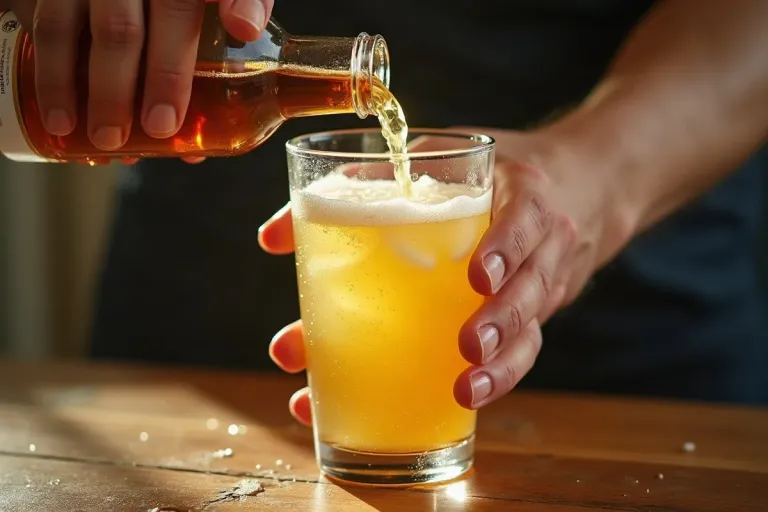
The word cervecería can mean a brewery, but when it is painted over a bar door it means a bar whose identity is built on draught beer, with a counter, a tapa or ración list and usually a lot of standing room. The beer should be bien tirada, pulled well: cold, with a dense head, in a chilled glass. Many of Spain's best-known tapas bars are cervecerías in name, and the Andalusian beer-hall chains that have opened across Spain and now Portugal are built on the same formula.
In some cities the caña comes with a free tapa. Granada and León are the best-known examples, and individual bars elsewhere keep the custom. Otherwise you pay for the food separately.
Ordering beer at a Spanish restaurant abroad
- Ask what Spanish beers they carry before defaulting to the local lager.
- Order small. A caña-sized pour with a tapa, then another, is the Spanish rhythm.
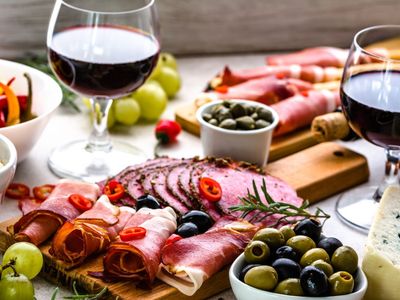
- Boquerones en vinagre, fried fish, croquetas and anything salty are common beer tapas.
- Beer often takes the aperitivo slot, with wine saved for the sit-down part of the meal.
Where to find Spanish beer in our directory
- Taburete in Bangkok's Sala Daeng lists hard-to-find Spanish beers, naming Estrella Galicia, alongside paella and croquetas.
- Camino King's Cross in London says it serves some of Spain's best beers next to a Spanish wine list.
- Mera Tapas in Würzburg lists Spanish beers with a fully Spanish wine list and PDO liqueurs.
- Cervecería La Sureña in Lisbon is an Andalusian-style tapas beer hall by the Spanish group Restalia, opened in December 2025.