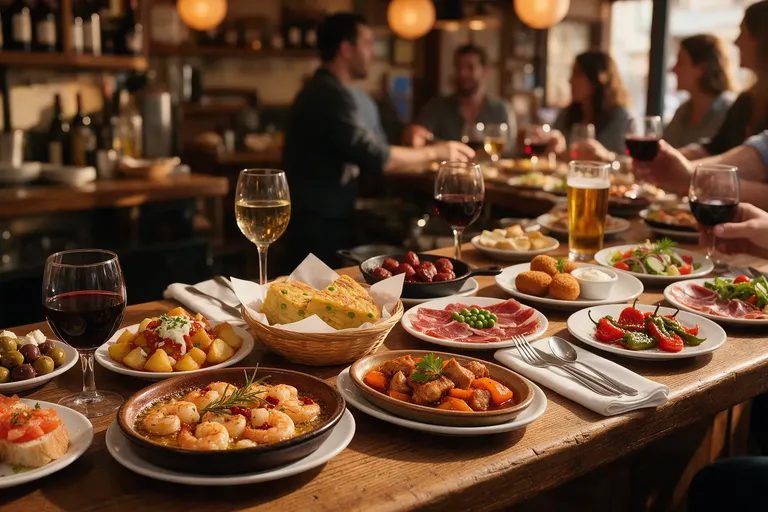
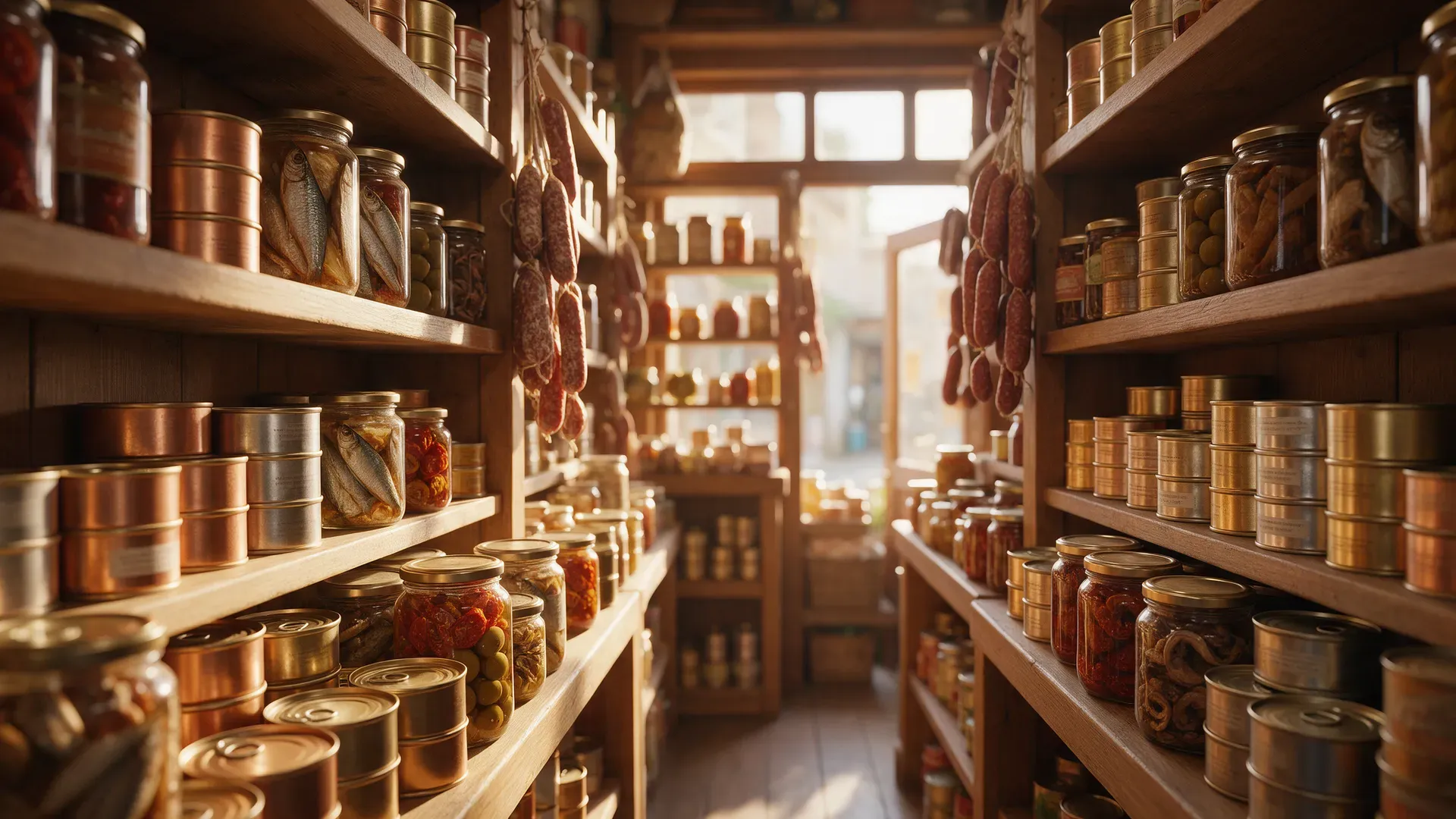
A lot of Spanish restaurants abroad also sell food to take home: a few shelves by the door, a deli counter, or a whole shop. In Spain the old word for this kind of store is ultramarinos, literally "from overseas". It dates from the days when grocers stocked goods brought from across the sea, such as coffee, cocoa and sugar, next to local ham, oil and tinned fish.
This is a guide to the products you will find on those shelves and the label terms that tell you what you are buying.
Ham: read the tag
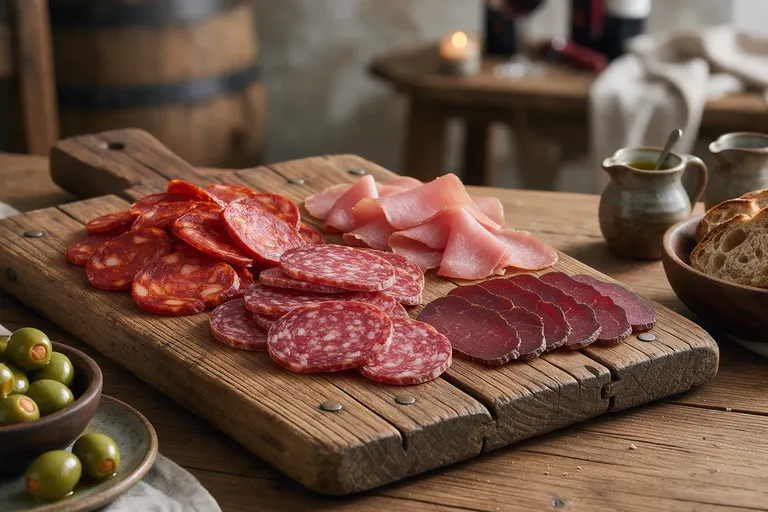
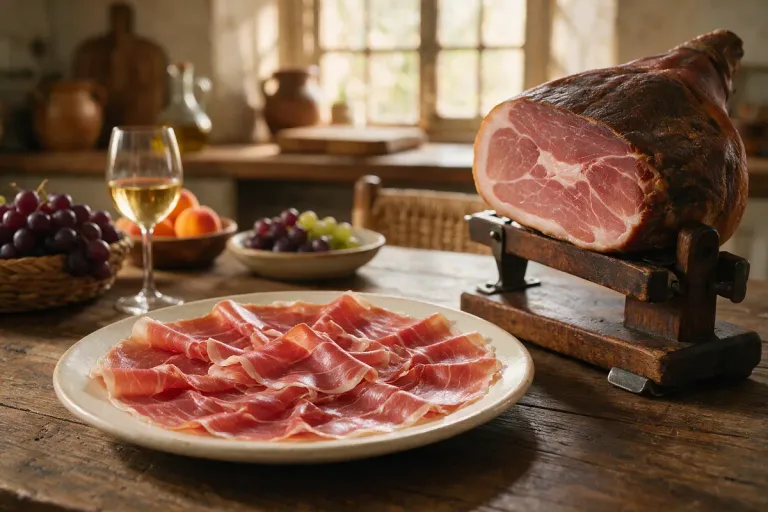
Iberian ham, jamón ibérico, carries a coloured tag under Spain's 2014 quality rules:
- Black: 100% Iberian breed, acorn-fed (bellota).
- Red: acorn-fed, but not 100% Iberian breed.
- Green: cebo de campo, raised outdoors and fed on feed and pasture.
- White: cebo, raised on feed on a farm.
A jamón is the hind leg; a paleta or paletilla is the front leg, smaller and usually cheaper. Jamón serrano is a separate category from white pig breeds. For more, see our guide to Iberian ham.
If you buy sliced ham in packs, let it sit at room temperature for a few minutes before eating. Cold fat tastes of little.
Tinned and jarred seafood
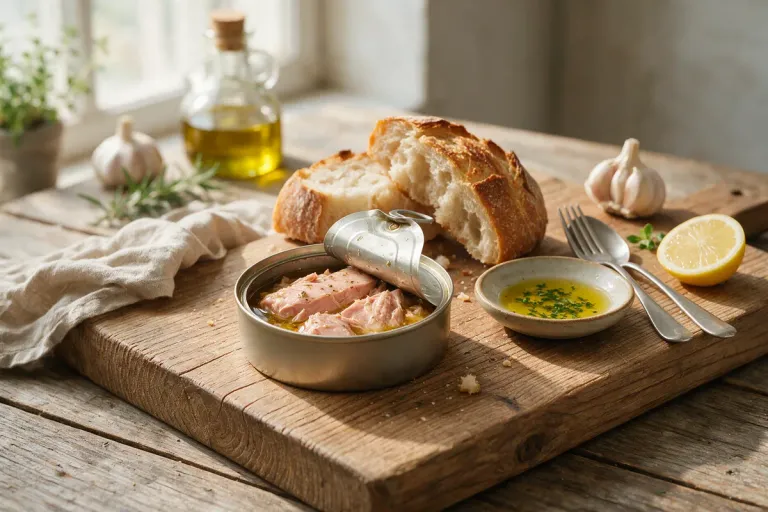
Spanish conservas are not a budget product. Good tins are a delicacy in their own right, eaten straight from the can with bread.
- Bonito del norte is albacore tuna. The classic catch comes from the Cantabrian Sea in summer, though the label itself names the species, not the fishing ground. Atún claro usually means yellowfin, a different fish.
- Ventresca is the fatty belly cut of tuna or bonito, and costs more.
- Mejillones en escabeche are mussels in a vinegar and paprika marinade.
- Berberechos are cockles, and navajas are razor clams, usually packed plain in brine.
- Anchoas en aceite are salted, cured anchovy fillets in oil. They are a semi-preserve, not fully sterilised, so keep them in the fridge.
Spices, oil and rice
- Pimentón de la Vera is smoked paprika from Extremadura with DOP status. It comes in three strengths: dulce (sweet), agridulce (bittersweet) and picante (hot).
- Azafrán de La Mancha is a DOP saffron. Buy threads, not powder, so you can see what you are getting.
- Aceite de oliva virgen extra is extra virgin olive oil. Look for a harvest date, and buy a size you will finish within a few months of opening.
- Paella rice: bomba and senia are round, short-grain rices that absorb a lot of stock. Valencia's rice has its own DO.
Sweets and cheese
- Turrón: the two classics are Jijona, soft and made with ground almonds, and Alicante, hard, with whole almonds in honey and egg white. Both have protected geographical indication.
- Membrillo: quince paste, eaten with cheese.
- Cheese: look for the DOP name on the label. Manchego, Idiazábal, Mahón and Tetilla are among the most common abroad.
DOP and IGP on the label
Two EU labels come up again and again:
- DOP (Denominación de Origen Protegida) means the product is made, processed and prepared in a defined area.
- IGP (Indicación Geográfica Protegida) means at least one stage of production happens in that area.
Neither tells you whether you will like the product. Both do tell you where it comes from.
Where to shop
These venues in our directory have a shop or deli counter, according to their own records:
- Xixon, Miami: opened in 2001, with a gourmet deli shop of imported Spanish products and a Spanish wine cellar.
- Mercado Little Spain, New York: the Hudson Yards food hall, opened in 2019, which includes a specialist grocer.
- Ultramarinos Martínez, Budapest: a tapas bar and delicatessen founded by Christian Martínez, combining a bar, gourmet store and tapas kitchen.
- Essensaciones Gastro Boutique, Glarus: a gourmet shop and tasting area selling wines, Iberian DOP hams and cold cuts.
- Hispania Brussels, Brussels: a Grand Sablon brasserie with a gourmet shop of Spanish products.