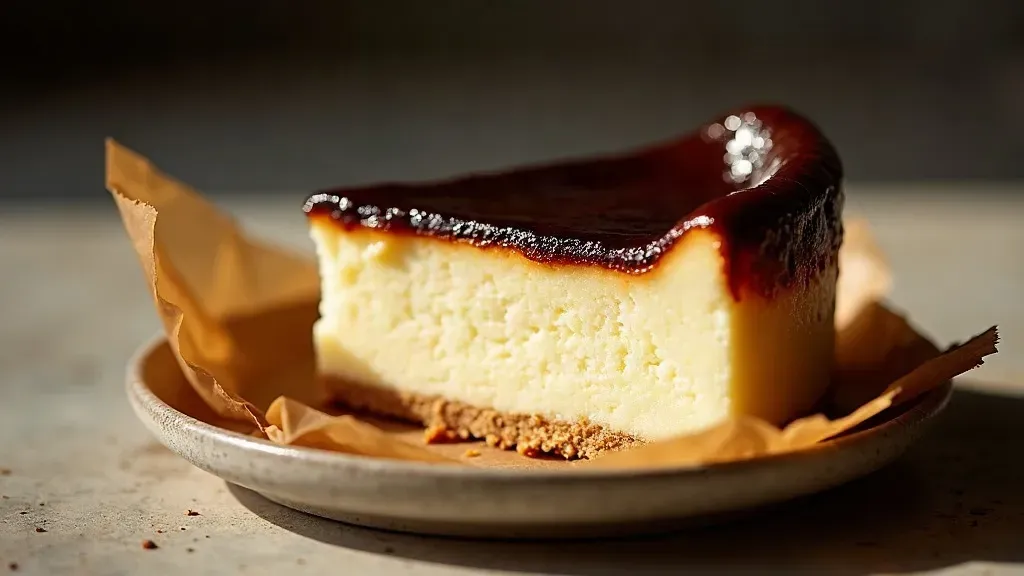
In Spain it is just tarta de queso, cheesecake. Outside Spain it usually goes by Basque cheesecake or burnt Basque cheesecake, after the version from San Sebastián with the very dark top. This guide covers what makes it different and what to expect when you order a slice.
Where it comes from
The burnt style comes from San Sebastián, in the Basque Country.
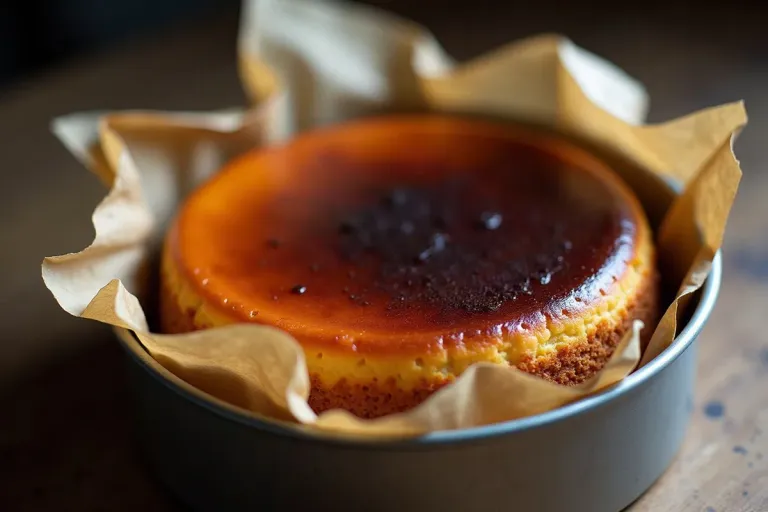
The recipe is short: cream cheese, sugar, eggs, cream and a little flour. Nothing goes underneath. The batter is poured into a tin lined with baking paper, and the paper's crinkled edges stay on the finished cake.
What makes it different
The cake is baked at a high temperature. The sugar on the surface caramelises until the top is dark brown, close to black in places, while the inside stays soft. As it cools it sinks a little in the middle.
Compared with the other well-known styles:
- New York cheesecake sits on a crust of biscuit or graham crackers and is baked more gently, so it's dense and even all the way through.
- Japanese cheesecake is light and airy, closer to a soufflé, with whipped egg whites folded in.
- Basque cheesecake has no crust, a bitter-sweet caramelised top and a centre that ranges from soft to almost runny.
How to order it
Ask for una porción de tarta de queso, a slice of cheesecake. It is traditionally served at room temperature rather than straight from the fridge, which keeps the middle creamy. Some restaurants abroad serve it chilled, so the texture can be firmer than you expect.
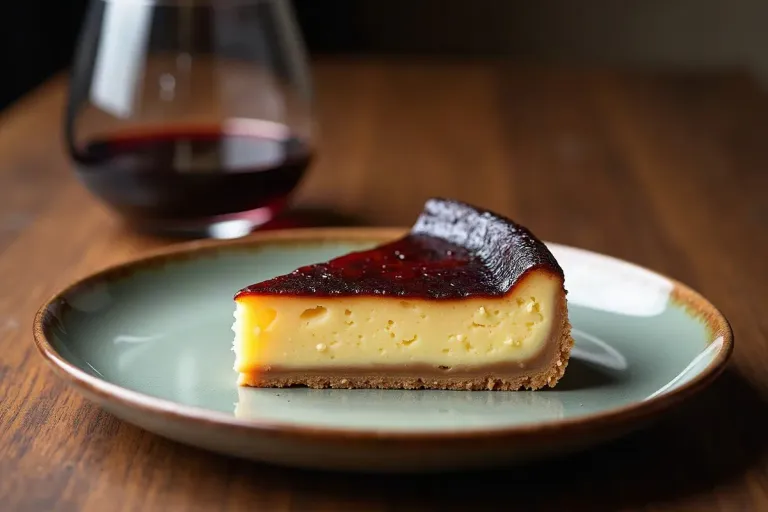
A soft, slightly wobbly centre is part of the style. If you prefer a firm, even texture, a New York-style cheesecake will suit you better. A sweet wine or a coffee goes well with it; see our guide to Spanish coffee for what to ask for.
The name on the menu doesn't always tell you the style. "Spanish cheesecake" may or may not mean the burnt San Sebastián version, so look for the dark top, or ask.
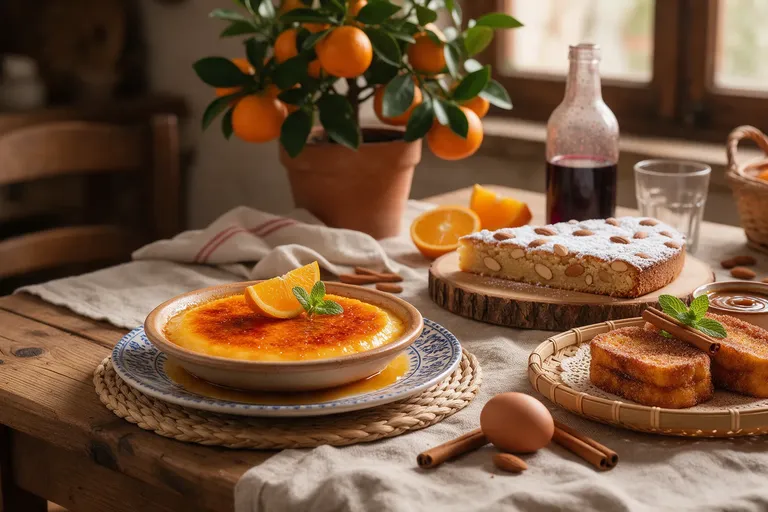
For other Spanish desserts, see our guide to crema catalana, tarta de Santiago and torrijas.
Where to try it
These restaurants in our directory name cheesecake in their own records:
- Mercado 505, Shanghai: its record lists "addictive Basque cheesecake" alongside open-fire paella and churros y chocolate, on the corner of Wulumuqi Lu and Huashan Lu.
- Fields Concord, Chengdu: its record names Basque cheesecake among its traditional dishes, next to paella.
- PanWat, Bangkok: a café in Song Wat whose record lists "Spanish cheesecake" with pan tumaca and coffee. The record doesn't say which style, so ask whether it's the burnt Basque kind. It is alcohol-free.